The gray stone of the government office building in Berlin does not bleed, but on a Sunday evening in autumn, it felt bruised.
Consider what happens when a country stops listening to its own kitchen tables. For months, the numbers had trickled inward like water through a cracked foundation—silent, persistent, and eroding. By the time the regional election results flashed across the monitors from Mecklenburg-Vorpommern and Berlin, the outcome was not merely a defeat. It was an alarm bell echoing through empty factories and quiet suburban streets where the cost of heating a home had long since eclipsed the monthly margin of error.
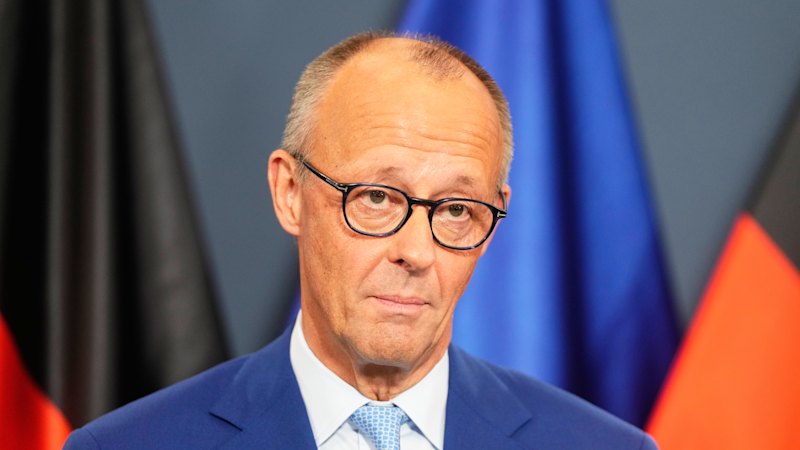
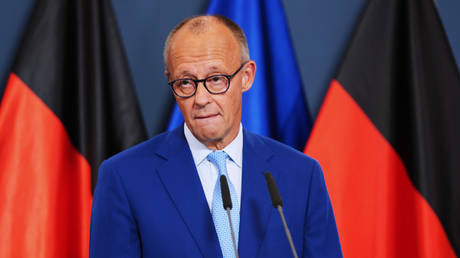
Chancellor Friedrich Merz stood before the microphones and used a word politicians instinctively avoid. Disaster.
There is a distinct kind of silence that follows a political earthquake. It is the sound of strategists shuffling papers behind closed doors, of old loyalties cracking under the weight of mounting anxiety. In the northeastern state of Mecklenburg-Vorpommern, support for the Christian Democratic Union plummeted below the five percent electoral threshold, effectively locking a historic anchor party out of the regional parliament entirely for the first time since reunification. Down the road in Berlin, traditional structures fractured further under a wave of polarization.
To understand why this happened, you have to walk away from the television studios and step into the daily lives of voters who feel like extras in someone else's economic recovery plan.
Imagine Stefan, a machinist who has spent twenty-five years watching the gauge on his workshop wall dictate whether his family can afford a summer holiday. When politicians in the capital talk grandly about structural overhauls, fiscal discipline, and the grand transition of the industrial engine, Stefan hears something entirely different. He hears a language that treats his livelihood as an acceptable variable in a complex mathematical equation.
The political center in Germany was built on a promise of steady, predictable prosperity. For generations, that promise held. But when global energy shocks collide with domestic stagnation, ordinary citizens begin searching for a wrench to throw into the machinery. In these regional contests, that search manifested as a sharp surge for the far-right Alternative for Germany in the northeast and deep fragmentation in the capital. Voters did not necessarily fall in love with a radical alternative; rather, they expressed a profound exhaustion with a status quo that feels deaf to their immediate struggles.
Merz had entered office promising an economic turnaround, a decisive break from years of drift. Yet sixteen months later, the gap between ambition and reality widened into a chasm. Reforms aimed at stabilizing public finances and steering energy policy ran headfirst into public resistance. Hundreds of thousands took to the streets under slogans that spoke of hard-earned wages and strained household budgets. When fuel tax relief fails to move skeptical voters, and when cabinet reshuffles and internal friction dominate the headlines, the message is clear. The connection between the governed and the governing has worn paper thin.
Yet, survival in politics is often less about grace than it is about endurance. Vowing to stay on, Merz dug in his heels, insisting that the medicine, however bitter, remains necessary to secure the nation's future. Whether that stance is an act of courageous leadership or stubborn denial depends entirely on whom you ask in the corridors of power.
The deeper crisis is not about one man's tenure or a single party's plummeting poll numbers. It is about the fragility of trust in a society facing choices that nobody prepared for. When the ballot box becomes a megaphone for frustration, the echo does not fade when the polls close. It stays in the air, hanging over every legislative vote, every factory floor, and every quiet kitchen table where the future is measured one anxious month at a time.
German Chancellor Merz calls state election a 'disaster' for his party
This news report provides direct coverage and official reactions regarding the regional election defeats that triggered widespread political fallout in Germany.