The morning shift at the county intake center does not begin with sunlight or birdsong. It begins with the heavy, metallic clatter of a sliding iron bolt.
It is 5:45 AM. The asphalt outside is still cold, radiating the desert chill that somehow always slips past the coastal mountain passes. Inside, the air smells of a very specific, inescapable chemistry: industrial bleach, wet fur, old concrete, and the sharp, sour tang of adrenaline.
Then comes the sound.
It is not a bark. It is a chorus. A wall of noise that hits you in the chest before you even push through the swinging double doors. Dozens of throats vibrating in unison, bouncing off breeze-block walls, demanding attention, demanding space, demanding out.
Look down the primary corridor of kennel row. Row after row of chain-link gates. Behind every gate, a pair of eyes. Some are wide, frantic, whites flashing as rubber-soled boots pass by. Others are flat, resigned, resting flat on cold concrete floors that have never known a plush rug or a patch of summer clover.
Right now, Southern California's animal shelters are drowning. Not in water, but in silence, in bodies, in breath.
Step closer to kennel block four. (Note: The specific layout described here is a composite of several high-intake facilities across Los Angeles and San Bernardino counties, designed to illustrate the structural reality of the crisis.) Inside this single concrete cell sit twenty-eight Yorkshire Terriers. Twenty-eight. Not a random stray distribution. This is a seizure. A backyard breeder whose arithmetic finally collapsed under the weight of utility bills, zoning laws, and animal control citations.
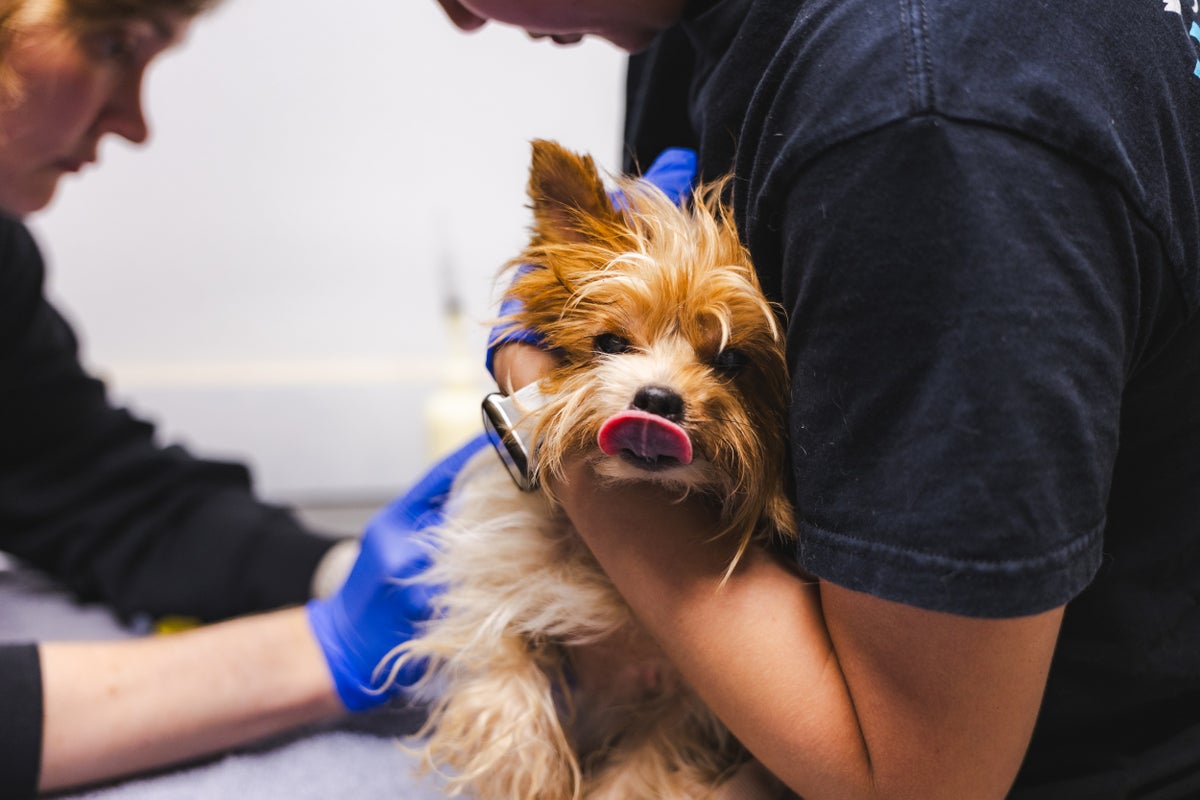
They look like small, matted mops until you catch the frantic movement of their snouts. Many of them are trembling, their tiny skeletons vibrating under coats thick with burrs, urine stains, and months of neglect. They do not know how to walk on a leash. When a handler opens the gate, they don't bolt forward; they press themselves back against the wall, huddling together into a shivering, terrified mass of gray and gold fleece.
Across the aisle, completely contrasting this pocket-sized misery, sit the huskies.
If the Yorkies represent a quiet, shivering claustrophobia, the huskies are pure kinetic panic. They are built for endurance across frozen arctic tundra, yet here they are, trapped in a five-by-ten concrete box under a blistering Southern California sun that routinely pushes triple digits in the inland valleys.
A husky does not just bark. It howls. A long, mournful, operatic cry that sounds less like a dog and more like a wolf lamenting the loss of the horizon. Their piercing blue eyes track every movement with hyper-intelligent intensity. They spin in tight circles. They throw their weight against the chain-link, testing the welds. They are burning calories they cannot afford to lose, driven insane by the sheer monotony of indoor confinement.
Why are they here en masse?
The answer is rarely simple, but it is always brutal. It is a cascading failure of economics and human behavior. When the cost of rent spikes, when inflation eats the margin between buying groceries and buying kibble, the margin for error in pet ownership vanishes. Add to that the post-pandemic return-to-office mandates—companies dragging remote workers back to cubicles five days a week—and you have a recipe for abandonment. People bought cute, high-energy puppies during isolation. Now, isolation is over, but the dogs remain. And huskies, with their demanding grooming needs and boundless energy, are the first to hit the pavement when a landlord issues a no-pet ultimatum.
Consider what happens next.
The intake coordinator, a woman named Sarah whose dark circles under her eyes look permanent, sits at a scarred wooden desk with a lukewarm cup of coffee that she hasn't tasted in an hour. Her computer screen flashes a number that makes her stomach drop. Capacity is at one hundred and sixty percent. Every single permanent kennel is full. Temporary crates—wire cages normally reserved for emergency intake or brief medical holds—now line the hallways, stacked two high.
There is no more room.
When a shelter hits this threshold, the math turns grim. It stops being a place of refuge and starts functioning like an emergency triage ward in a war zone. Decisions have to be made. Which dog gets twenty-four more hours? Which dog has shown signs of kennel stress—spinning, obsessive licking, barrier aggression—that makes them unadoptable to the general public?
The public rarely sees this part. They see the cute adoption photos on Instagram. They see the weekend mobile adoption vans parked outside trendy coffee shops in Silver Lake or Orange County. They do not see the fluorescent lights buzzing at midnight. They do not smell the bleach mixed with despair. They do not watch a veteran shelter worker walk down a row of healthy, vibrant dogs, holding a clipboard, weeping silently because the math does not care about character.
Let us be entirely transparent about the mechanics of this crisis. It is not caused by cruel shelter workers. It is caused by a systemic bottleneck. The front door is kicked wide open by surrenders, cruelty seizures, and strays picked up by animal control officers. But the back door—adoptions, rescues, foster placements—is rusted shut.
Rescues are overwhelmed. Their foster homes are completely saturated. When you talk to independent rescue operators across the region, their response is a uniform, exhausted sigh. They have no empty couches. They are paying out of pocket for boarding kennels because private foster parents are burnt out, priced out, or moving into apartments that ban large dogs.
So the animals stay. And days turn into weeks. And weeks turn into months.
A dog's psychology is not built for concrete. By week three in a shelter environment, even the most resilient canine begins to fracture. The technical term is institutionalization. The dog stops looking at the gate with hope. They retreat inward. They curl into a tight ball at the back of the run, refusing to stand when visitors walk by. Ironically, this quiet depression dooms them even faster than barking, because casual adopters walking the aisles assume the quiet dog is unfriendly or dull.
We have engineered a system where a dog's very survival depends on its ability to perform happiness on demand behind a wire barrier.
Think about the Yorkies again. Those twenty-eight tiny, trembling bodies pulled from the hoarding situation. They require specialized medical intake. Dental work for rotting teeth, groomers to shave off pelted fur down to the pink skin underneath, socialization therapy to teach them that human hands do not always mean a cage or a blow. That care costs money. It costs labor. It costs hours of human devotion that simply do not exist in a facility running on a skeleton crew funded by stretched municipal budgets.
Yet, amidst the gray concrete and the relentless noise, something remarkable happens every single afternoon at 3:00 PM.
The volunteer shift arrives.
They are an eclectic, stubborn brigade of retirees, college students, and remote workers who refuse to let the despair win. They don rubber boots. They clip heavy leashes onto collars. They pull huskies out into the blazing sun, letting them run laps in the sand yard, throwing tennis balls until the dogs' tongues hang out and their frantic energy finally settles into a panting, peaceful exhaustion.
They sit on the floor of the tiny Yorkie rooms, cross-legged, ignoring the urine on the floor, holding a three-pound ball of matted fur in their laps, whispering soft, meaningless endearments until the little dog stops shivering and dares to lick a thumb.
It is a drop of water in an ocean of fire. Everyone knows it. The volunteers know that tomorrow morning, the iron bolts will slide open again, and more vans will pull into the sally port. More huskies with wild blue eyes. More small, terrified terriers pulled from dark rooms.
The crisis does not resolve itself with a neat conclusion. There is no tidy bow to put on a municipal shelter system operating past its breaking point.
The sun dips below the western hills, painting the Southern California sky in bruised shades of violet and orange. The floodlights snap on across the asphalt yards. Inside, the chorus begins to quiet down, shifting from frantic demands to low, restless sighs echoing off the walls. A lone husky lets out one final, haunting note into the night, waiting for an answer that doesn't come.