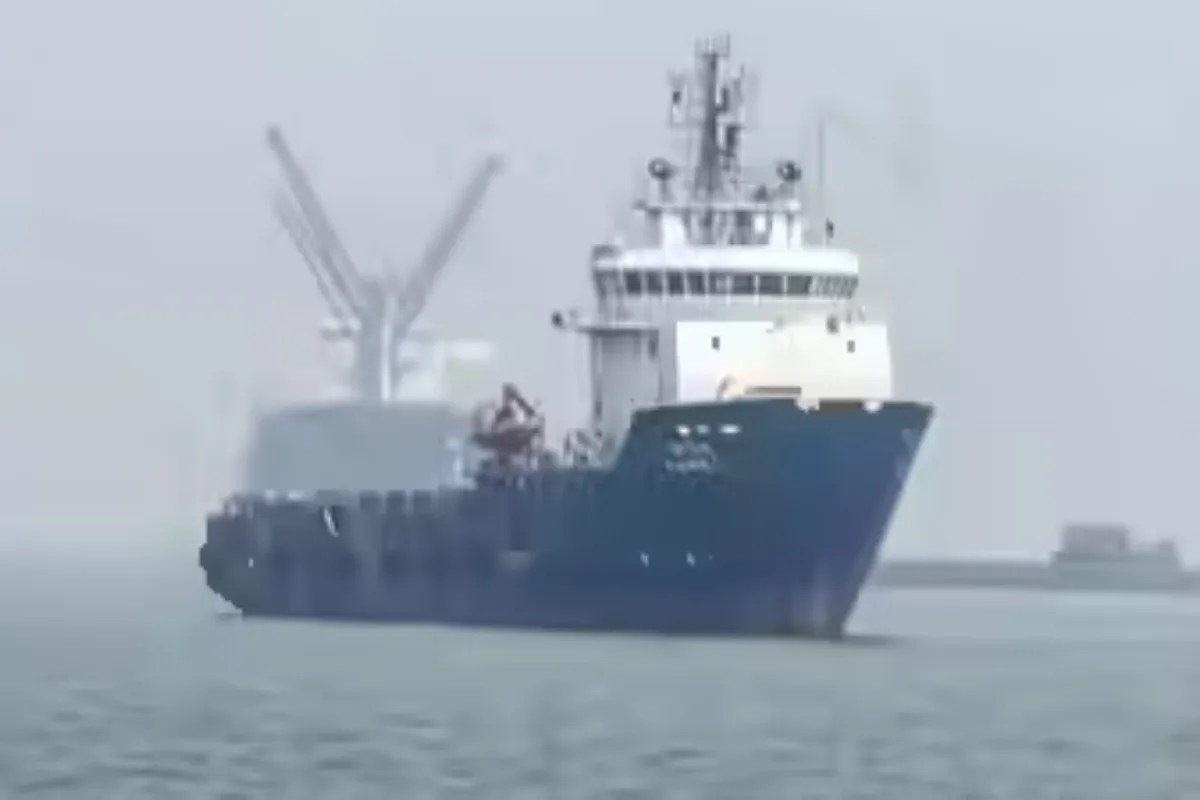
Supply chains don't wait for peace. As geopolitical tensions around Iran tighten and shipping lanes through the Red Sea turn into high-stakes gambles, the global trade map is being redrawn in real-time. You've probably heard the headlines about rising oil prices or military maneuvers. But the real story is happening in the order books of manufacturing hubs in Zhejiang and Guangdong. China isn't just watching the conflict from the sidelines. It's using the chaos to cement its dominance over global trade routes.
While Western firms pull back to reassess risk or navigate complex sanction regimes, Chinese exporters are stepping into the vacuum. They're moving fast. They're priced competitively. Most importantly, they're willing to go where others won't. This isn't about taking sides in a Middle Eastern conflict. It's about cold, hard logistics and the brutal reality of who can keep the shelves stocked when the world feels like it's falling apart.
The vacuum left by risk-averse Western giants
Most American and European companies operate under a heavy burden of compliance and fear. When things get shaky in the Middle East, legal departments go into overdrive. They worry about secondary sanctions. They worry about insurance premiums for freight passing through the Gulf. This caution is sensible for a boardroom in New York, but it leaves a massive opening.
Chinese companies don't have the same hang-ups. They operate with a level of state-backed insurance and a different perspective on risk. If a Middle Eastern distributor can't get parts from Germany because of shipping delays or banking hurdles, they'll call a supplier in Shenzhen. Once that relationship starts, it rarely goes back. China is capturing long-term loyalty during short-term crises.
This isn't a new play. We saw it during the early stages of the Russia-Ukraine conflict. Western brands exited, and within months, Chinese car brands and electronics filled the malls. The Iran situation is providing a similar springboard, but on a much larger, oceanic scale.
Why the Red Sea crisis favors the East
The logistics of the current conflict are fascinating and terrifying. Most global trade relies on the Suez Canal. When Houthi rebels or regional instability make that route dangerous, ships have to go around the Cape of Good Hope. This adds ten days and massive fuel costs to the journey.
But look at the map.
If you're shipping from Shanghai to Dubai or Mumbai, you don't need the Suez Canal. You're operating in a different theater. While European exporters are struggling with doubled freight rates to reach Asian markets, Chinese exporters are keeping their regional costs relatively stable. They're effectively "on-shoring" the supply chain for the Global South.
The data from the first quarter of 2026 shows a stark trend. Trade volume between China and Middle Eastern hubs has climbed, even as total global trade faces headwinds. It's a geographical advantage that Beijing is milking for every cent. They aren't just selling toys and cheap plastics anymore. We're talking about high-end machinery, telecommunications equipment, and renewable energy tech.
The insurance loophole
Shipping insurance is the hidden hand of global trade. If Lloyd’s of London won't cover your hull, you don't sail. During heightening tensions around Iran, Western insurance premiums have skyrocketed. China, however, has developed its own domestic insurance frameworks and "dark fleet" logistics.
They can offer delivered prices that Western competitors simply can't match. It’s a price war where the weapons are policy documents and state guarantees. It’s messy. It’s controversial. But it works.
Digital yuan and the end of dollar dominance
Money is the other half of this story. Sanctions are only effective if you use the US dollar. The conflict in Iran has accelerated the push for "de-dollarization" in trade. When a Chinese exporter sells to a buyer in Tehran or even a neutral party like Riyadh, they're increasingly settling in RMB (Yuan).
This bypasses the SWIFT system entirely. It makes Western sanctions look like a fence with no wire. By providing a financial alternative during times of war, China makes itself indispensable to emerging markets. They're building a parallel economy.
I’ve seen this firsthand in manufacturing circles. Small-to-medium enterprises in China are no longer asking "how do we get paid in dollars?" They're asking "how do we get our customers to use the mBridge platform?" This is a digital bridge for central bank currencies. It’s fast. It’s cheap. It’s invisible to the US Treasury.
Regional hubs are picking sides
Look at the UAE and Saudi Arabia. These nations are trying to balance their security ties with the US against their economic ties with China. When the Iran conflict makes Western supply lines unreliable, the choice becomes easy.
Chinese firms are building massive warehouses in the Jebel Ali Free Zone. They're positioning inventory so they can ship locally within the Middle East, regardless of what's happening in the Strait of Hormuz. It's a "just-in-case" strategy that's beating the old "just-in-time" model.
Infrastructure as a weapon
The Belt and Road Initiative (BRI) was often criticized as a debt trap. Maybe it is. But in 2026, those ports and railways are the only reason some markets are still getting goods. China’s investments in Pakistani and Omani ports provide a "back door" to the region.
If the primary shipping lanes are blocked, China has options. The West has a long way to go to catch up.
The quality shift nobody wants to admit
There's a tired old myth that Chinese goods are just cheap knock-offs. That's a dangerous mistake to make in 2026. In sectors like electric vehicles (EVs) and 5G infrastructure, Chinese exporters are providing the best tech for the price, period.
When a war-torn or high-risk region needs to rebuild or upgrade, they want reliability and speed. BYD and Huawei are already there. They don't send a team of lawyers first; they send a team of engineers and a fleet of cargo ships.
How to navigate this as a buyer or business
If you're running a business that relies on international trade, you can't ignore this shift. Relying on traditional Atlantic-centric shipping is a recipe for a heart attack. You need to diversify.
- Audit your shipping lanes. If your goods pass through the Red Sea or the Persian Gulf, you need a Plan B that involves Asian hubs.
- Explore multi-currency accounts. Don't let your business get choked because a bank decided to stop processing payments to a specific region.
- Look at the "Middle Corridor." The rail links through Central Asia are becoming more viable every day. They're more expensive than sea, but faster and safer from naval blockades.
The Iran conflict isn't just a tragedy or a geopolitical stalemate. It's a catalyst. The global market share is being handed over on a silver platter to those who can manage the chaos. Right now, that's China. They're playing the long game while everyone else is playing defense.
Don't wait for the news to tell you the transition is over. It’s happening in the shipping containers moving across the Indian Ocean right now. If you want to keep your market share, you have to start thinking like a Chinese exporter: stay flexible, stay fast, and don't let a little volatility stop the flow of goods.
Start by looking at your current supplier list. If 90% of them rely on the Suez Canal, you're at risk. Find an alternative route today. Not next month. Today.