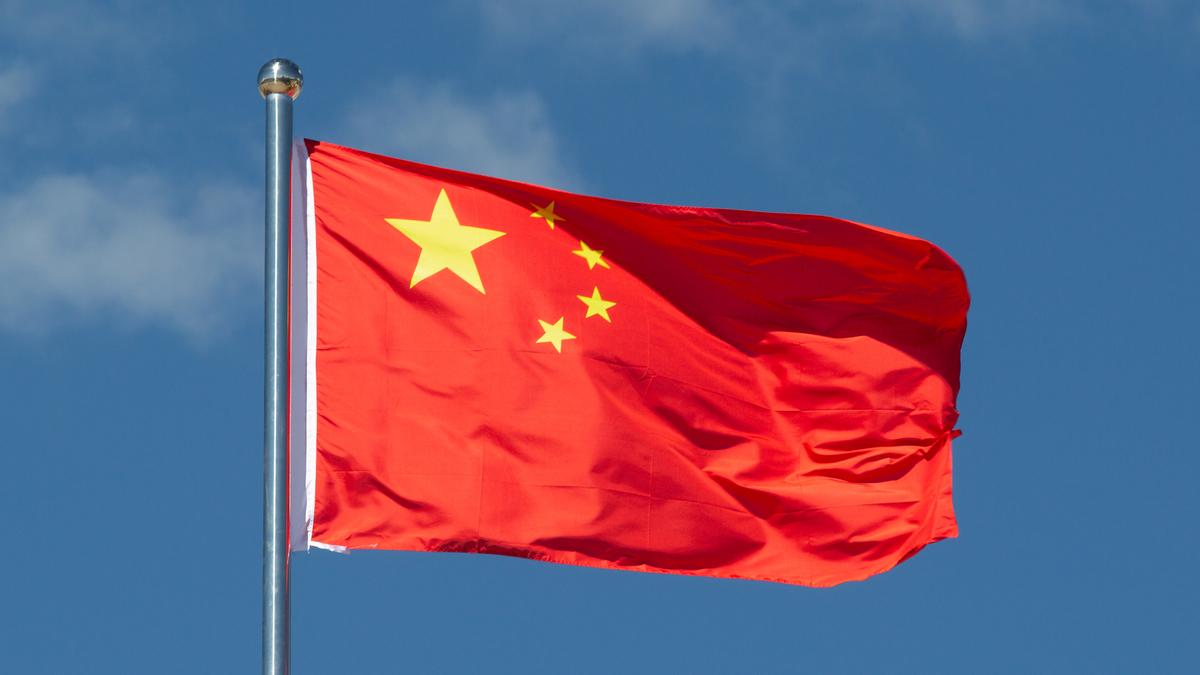
In a move that feels like something out of a Cold War thriller, Taiwan’s President Lai Ching-te just had his bags packed for Africa only to find the sky literally closed off. It’s the first time a sitting Taiwanese leader has been forced to scrap an entire international trip because of airspace restrictions. China isn’t just winning the diplomatic war on the ground; they’re now winning it at 30,000 feet.
On Tuesday, Taipei officially pulled the plug on Lai’s visit to Eswatini. The reason? Three African nations—Seychelles, Mauritius, and Madagascar—suddenly revoked overflight permits for the presidential aircraft. Without those permits, there’s simply no safe or viable way to fly from Taipei to southern Africa without crossing hostile territory or taking a detour so long it’s practically impossible.
China’s reaction wasn't subtle. They didn’t just acknowledge the block; they celebrated it. Beijing’s Taiwan Affairs Office heaped praise on the African nations for sticking to the "One China" principle. From where I’m sitting, this isn't just a logistical hiccup. It’s a calculated, high-stakes signal that China can isolate Taiwan even when they’re not trying to steal away one of Taipei’s few remaining official allies.
The Strategy of Aerial Isolation
Think about the sheer pettiness and power required to pull this off. Eswatini is Taiwan’s last standing ally in Africa. It’s a tiny, landlocked kingdom, and King Mswati III is one of the few world leaders who still treats Taipei like a sovereign capital. Lai was supposed to be there to celebrate the 40th anniversary of the King’s accession. Instead, he’s stuck in Taipei, posting defiant messages on Facebook while Beijing takes a victory lap.
Why does this matter? Because it shows China has found a new "choke point." In the past, Beijing spent billions to "flip" countries—convincing them to ditch Taipei for Beijing with promises of massive infrastructure projects. But Seychelles, Mauritius, and Madagascar don’t even recognize Taiwan. They already recognize Beijing. By forcing these countries to deny overflight rights, China is proving it can dictate the movement of Taiwanese leaders in international airspace.
I’ve seen reports suggesting that China used some serious economic muscle here. We’re talking about threats to revoke debt relief or halt ongoing financing. For nations like Madagascar or Mauritius, that kind of pressure is impossible to ignore. They aren’t making a statement about Taiwan; they’re making a survival choice based on who holds their mortgage.
Taipei’s Defiance vs. Reality
Taipei is acting tough, and they have to. Pan Meng-an, the secretary-general to the president, slammed the move as "crude" and "virtually unprecedented." He’s right. It is a blatant interference in international aviation norms. But the reality is that Taiwan’s "determination to engage with the world" doesn't mean much if they can’t get a plane off the ground.
- The Overflight Denial: Seychelles, Mauritius, and Madagascar canceled permits without warning.
- The Economic Hook: Allegations of Chinese threats to withhold debt relief.
- The Result: A special envoy will go to Eswatini instead of the President.
This "servitude" to Beijing—as Taipei calls it—is the new normal. If you’re a small nation with a massive debt to China, you don’t have a foreign policy. You have a series of instructions.
What This Means for the Future of Diplomatic Travel
If Beijing can ground a flight to Africa, they can ground a flight anywhere. Imagine a future where a Taiwanese president can’t travel to Latin America or the Vatican because every surrounding country denies airspace access. It’s a soft blockade. It’s less messy than a naval siege of the Taiwan Strait, but it’s just as effective at making Taiwan look like a province rather than a country.
China’s "red line" is moving. It used to be about formal recognition. Then it was about "transits" through the United States. Now, even flying over a third country is being treated as a violation of Chinese sovereignty.
Honestly, I don't see Taipei finding a workaround for this anytime soon. You can't force a sovereign country to let you use their sky. Taiwan might try to negotiate more robust travel guarantees with its remaining 12 allies, but when those allies are surrounded by countries in China’s pocket, the math doesn't work.
If you’re watching this space, keep an eye on how Taiwan handles future "transit" stops in the U.S. or Europe. If China starts pressuring major aviation hubs to deny landing or overflight rights for "private" presidential visits, we’re looking at a total diplomatic blackout.
The next step for Taipei isn't just about defiant social media posts. They need to secure ironclad overflight agreements with regional powers before even announcing a presidential itinerary. If they don't, Lai Ching-te’s next "world tour" might end before it even reaches the runway.