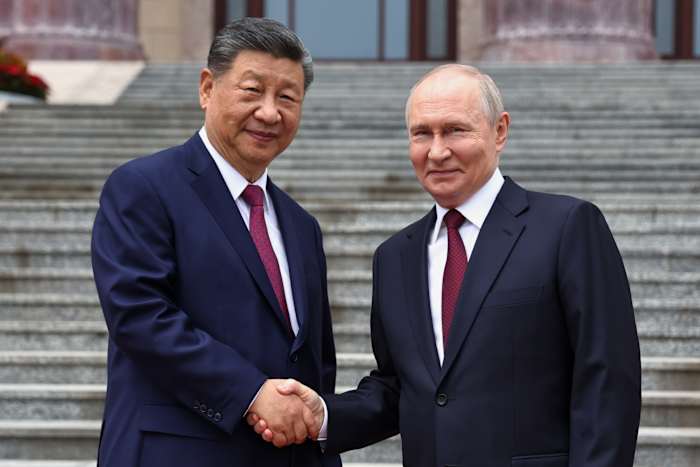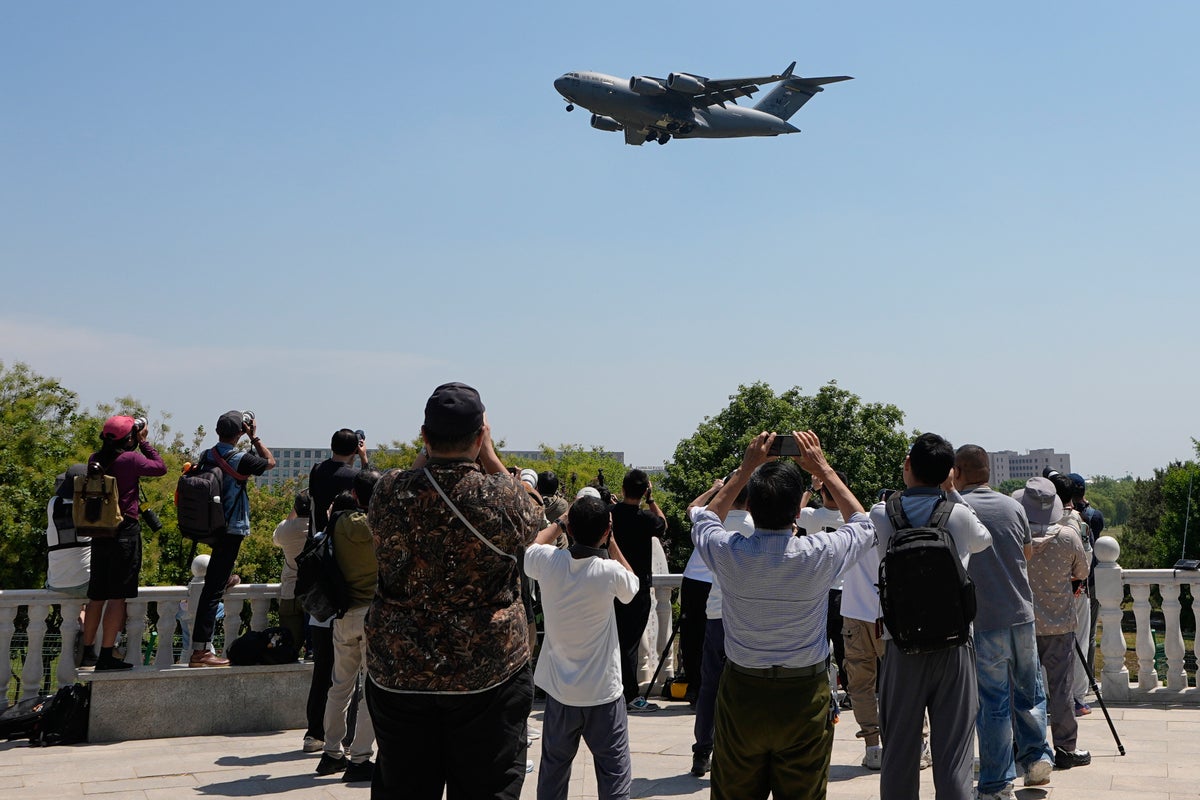
Donald Trump wanted a big win in Beijing, and he got exactly what he came for. China's Commerce Ministry just confirmed a massive order for 200 Boeing aircraft. It's a significant political handshake, following a high-stakes summit between Trump and Chinese President Xi Jinping.
But don't let the flashy headlines fool you. While Trump bragged on Air Force One about a deal that could balloon to 750 aircraft, the reality on the ground is a calculated chess move. Beijing isn't buying these planes out of sudden generosity. It's buying a temporary economic truce.
The timing tells you everything. This trade truce expires in November. By throwing Boeing a multi-billion-dollar lifeline right now, China is attempting to steer the conversation away from devastating tariffs and toward industrial cooperation. It's a classic play, but this time the stakes for the global aviation market are much higher.
Reopening a Closed Market
Boeing hasn't had a real win in China for nearly a decade. Political ice frozen during the initial trade wars locked the American aerospace giant out of the world's fastest-growing aviation market. Airbus happily stepped into that vacuum, vacuuming up market share while Boeing struggled through self-inflicted production disasters and safety scandals.
Before the geopolitical freeze, roughly a third of Boeing's narrowbody jets went straight to Chinese carriers. Then came the 2019 grounding of the 737 MAX after two tragic crashes. China was the first to ground the jet and the absolute last to let it back in the air.
This new deal changes the game for Boeing's fresh CEO, Kelly Ortberg. He was actually on the ground in Beijing with Trump, hunting for a breakthrough. Securing a commitment for 200 planes gives Boeing a footprint back in a territory it desperately needs to survive.
The Engines of Diplomacy
Trump mentioned that if China does a good job with the first 200, the deal could skyrocket to 750 aircraft. If that happens, we're looking at the largest commercial aviation order in history.
But look closely at the fine print China's Commerce Ministry attached to the confirmation. Beijing explicitly noted that the US must guarantee the supply of aircraft engine parts and aerospace components. This isn't just about buying planes; it's about securing supply chains.
These jets will be powered by GE Aerospace engines. Larry Culp, GE's chief, was also on that Beijing trip. The deal guarantees massive work for American manufacturing, but it also creates a codependency. China needs the parts to keep its aviation sector moving, and the US needs the manufacturing volume.
Here's what's included in the broader bilateral package:
- A commitment for 200 Boeing aircraft with the option to expand.
- Reciprocal tariff reductions on goods valued at £30 billion or more.
- US supply guarantees for critical aerospace components.
- Improved market access for American agricultural exports like soybeans and beef.
What Most People Get Wrong About This Deal
Market analysts aren't completely buying the hype. Let's be honest, 200 planes is a drop in the bucket compared to what Wall Street expected. Rumors leading up to the Trump-Xi summit pointed toward a package closer to 500 or 600 jets. When Trump initially announced the lower number, Boeing shares actually slipped. Investors wanted a total rout; they got a compromise.
Furthermore, economists point out that the tariff cuts tied to this deal represent only about 10% of total US imports from China. Zhiwei Zhang, chief economist at Pinpoint Asset Management, noted that this won't shift global GDP forecasts. It's a political stabilization mechanism, not an economic revolution.
China also has a domestic motive that nobody talks about. Its homegrown commercial jet, the COMAC C919, is plagued by production delays. Beijing wants to rely on its own manufacturing, but it simply can't build planes fast enough to meet soaring domestic travel demand. Buying from Boeing isn't just a favor to Trump; it's an admission that China still needs Western tech to keep its citizens flying.
Action Steps for Aviation and Trade Investors
If you're managing a portfolio or tracking industrial supply chains, look past the political theater and focus on these concrete indicators over the next few months:
- Watch the November Deadline: Treat this order as an option contract. If trade talks break down before the November truce deadline, Beijing can easily delay or cancel these options. Do not price this in as guaranteed revenue for Boeing yet.
- Monitor the GE Aerospace Supply Chain: The real winner here is GE Aerospace. Because China explicitly demanded component guarantees, component suppliers linked to GE engine architectures are looking at highly stable, long-term order books.
- Track the Airbus Response: Airbus will not sit idly by while Boeing reclaims Chinese tarmac. Expect the European planemaker to counter with aggressive financing or aggressive delivery timelines for Chinese leasing companies to protect its market share.