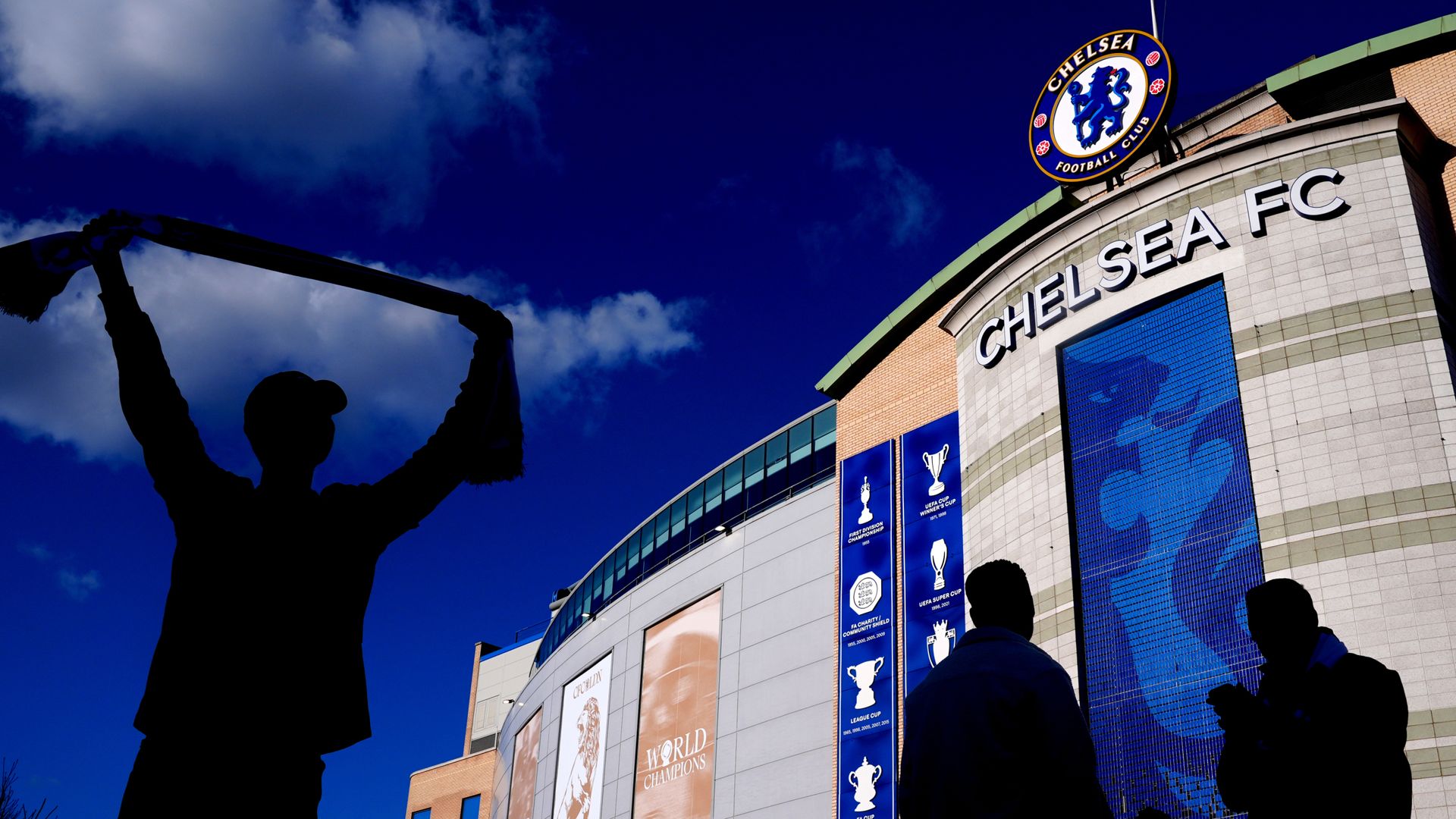
Chelsea just dodged a massive bullet. If you’ve been following the financial soap opera at Stamford Bridge, you know the clouds have been gathering for years. On Monday, the Premier League finally handed down its verdict on the "secret payments" from the Roman Abramovich era. The result? A record £10.75 million fine and a suspended one-year transfer ban.
To the casual observer, a "record fine" sounds like a disaster. It’s not. In the context of modern football, where Everton and Nottingham Forest have been stripped of points for much less, Chelsea fans should be celebrating. The club avoided a points deduction entirely. They kept their first-team squad intact for the upcoming window. Basically, the new ownership group just bought their way out of a historical mess for what amounts to less than two weeks of Enzo Fernández’s wages.
The Ghost of Abramovich
The investigation centered on a staggering £47.5 million in undisclosed payments made between 2011 and 2018. These weren't just clerical errors. The Premier League found that third-party entities "controlled by or associated with" Roman Abramovich were funneling cash to players, unregistered agents, and other clubs.
The list of transfers touched by these off-the-books deals reads like a Chelsea Hall of Fame:
- Eden Hazard (The big one, involving a reported €7 million secret payment to his agent)
- Willian and Samuel Eto’o (Payments made to entities linked to the now-defunct Russian club Anzhi Makhachkala)
- David Luiz, Ramires, Andre Schurrle, and Nemanja Matic
These deals helped build the spine of teams that won the Champions League and Premier League. The league stated these payments were made with the "knowledge and approval" of senior officials from the previous regime. They weren't just buying players; they were allegedly greasing the wheels in ways the rulebook strictly forbids.
Honesty as a Tactical Move
You might wonder why Chelsea is getting off "light" compared to other clubs. The answer is simple: Todd Boehly told on himself. When the Boehly-Clearlake consortium took over in 2022, they performed a deep-dive audit. They found the skeletons. Instead of trying to bury them, they handed over 200,000 documents to the Premier League. This "proactive self-reporting" is the only reason the fine wasn't £20 million and the transfer ban is sitting on a shelf instead of being active.
The Premier League also admitted something crucial. Even if Chelsea had declared that £47.5 million at the time, they still wouldn't have breached Profitability and Sustainability Rules (PSR). They had enough profit margin back then that they didn't actually need to cheat to stay compliant. That’s the most baffling part of the whole saga. It was rule-breaking for the sake of convenience, not survival.
The Real Sting is in the Academy
While the first team got a slap on the wrist, the youth setup took a direct hit. Chelsea was slapped with an immediate nine-month academy transfer ban.
This stems from a separate investigation into the registration of youth players between 2019 and 2022. A former employee was found to have breached rules regarding "early contact" with players from other English clubs. For a club that relies heavily on its "Cobham" pipeline—either for the first team or for generating pure profit via sales—this is a genuine setback. They can't sign any academy players from other Premier League or EFL clubs for the next three quarters.
What This Means for Your Club
If you’re a fan of Everton, Forest, or Leicester, you’re probably furious. You see a "suspended" ban and a fine for a club that spent £1 billion in two years and you think the system is rigged.
But there’s a lesson here for every club owner in the league. The Premier League is rewarding transparency. By coming clean, Chelsea turned a potentially season-ending points deduction into a line item on a balance sheet. It’s a cynical reality, but it’s the one we live in.
The FA still has its own investigation into 74 alleged breaches of agent regulations. History suggests they’ll follow the Premier League’s lead, but the club isn’t totally in the clear yet. For now, manager Liam Rosenior can keep his eyes on the pitch instead of the league table.
If you're looking at the summer window, expect Chelsea to be active. The suspended ban only kicks in if they break the rules again in the next two years. Given how much they've shared with regulators lately, they’re likely the most "vetted" club in world football right now. Check the latest PSR filings for other clubs before the June 30 deadline—Chelsea isn't the only one walking a tightrope, but they're the only ones who just got a safety net.
Check the club's official statement and the Premier League's detailed breakdown of the Hazard and Willian payments if you want to see just how deep the "secret" accounts went. It’s a wild read.