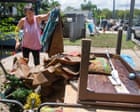
The smoke had barely cleared from the fence line when the stranger arrived with a clipboard.
Smoke. Ash. The sickeningly sweet odor of melted vinyl siding and scorched insulation that clings to the back of your throat for weeks. You remember the sound of the siren dying down, replaced by the hollow ticking of metal cooling in the afternoon sun. You remember holding a charred house key, wondering where you were going to sleep that night.
Then came the corporate representative. Friendly. Professional. Equipped with a calculator and a pre-printed form.
They did not look at the scorched family photos in the mud. They did not touch the ruined drywall or measure the warped structural beams where the living room used to be. Instead, they tapped a plastic screen, offered a sympathetic nod, and handed down a number. A cash settlement. Quick. Convenient. Clean.
Except it was none of those things. It was a trap wrapped in a tidy transfer of funds.
According to findings released by the Australian Securities and Investments Commission, thousands of policyholders are being systematically short-changed through cash settlements on home insurance claims. When disaster strikes—whether it is a bushfire licking at the edges of a coastal town or a sudden torrential deluge tearing through a suburban roof—insurance companies are increasingly bypassing the actual repair process. They are writing checks instead.
And those checks are falling drastically short of reality.
Consider what happens next. You take the money because you are exhausted, displaced, living out of a cramped motel room with two kids and a traumatized dog. The sum looks large on a banking app. Fifty thousand dollars. Eighty thousand dollars. It feels like a fortune until you call a licensed builder.
The builder arrives, takes one look at the rubble, and laughs without humor.
Materials have doubled. Labor is scarce. The local supply chain is completely choked. That cash settlement, calculated by a desktop algorithm months prior based on pre-crisis averages, will not even cover the framing, let alone the electrical wiring, plumbing, or council approvals.
You are left standing in the dirt, holding a check that pays for half a dream.
This is not an accident of bureaucracy. It is a calculated design. Insurance watchdogs have exposed a disturbing pattern across the industry. Insurers push cash settlements because it gets liabilities off their corporate balance sheets immediately. No lingering supply chain headaches. No contractor disputes to manage. No liability for shoddy workmanship down the track. They hand over a check, close the file, and wash their hands of the mess.
Meanwhile, the vulnerable policyholder bears the entire risk of inflation, under-estimation, and construction chaos.
Think about the elderly couple in regional New South Wales whose timber home was eaten by a grassfire. They trusted their insurer. They accepted a cash payout because the claims manager told them it would give them "complete freedom" to rebuild on their own terms. Freedom. What a brilliant, cynical marketing term for abandonment. They did not have the technical expertise to argue with the valuation. They did not know that insurers are legally required to provide fair estimates, nor did they realize that those estimates routinely fail to account for mandatory modern building code upgrades.
When you rebuild a house today, you cannot simply put back what burned down fifty years ago. You must meet contemporary safety standards. Insulation, fire ratings, structural reinforcement. All of it costs money. Real money.
The cash settlement rarely includes these invisible realities.
It is a strange and lonely kind of betrayal. You pay your premiums year after year, decade after decade, without missing a single direct debit. You treat that policy as a sacred contract, a shield against the worst life can throw at you. You sleep soundly because you believe the safety net is real.
Then the storm comes. The roof caves in. And you discover that the net has large, deliberate holes.
Regulators are waking up to the crisis, issuing warnings and demanding better conduct from financial institutions. But warnings do not rebuild kitchens. Press releases do not replace melted water pipes. The burden continues to fall heaviest on those least equipped to fight back—families with English as a second language, elderly citizens living on fixed incomes, and regional communities isolated by geography and limited contractor availability.
The system relies on your fatigue.
It relies on the fact that when you are sleeping on an inflatable mattress in a relative's living room, you do not have the emotional bandwidth to dispute a line-by-line line item on a depreciation schedule. You just want it over. You want normalcy back. You sign the release form because surrender feels like the only path forward.
There is a better way to look at this, though. A shift in perspective that changes everything.
A home insurance policy is not a lottery ticket. It is a promise of restoration. When a company offers a cash settlement, ask yourself whose interests that check truly serves. Does it give you your life back, or does it simply clear their ledger?
The ashes settle, eventually. The smell of smoke fades from the neighborhood. But the financial scars left by a broken promise linger for a lifetime, reminding us all of the true cost of convenience.


