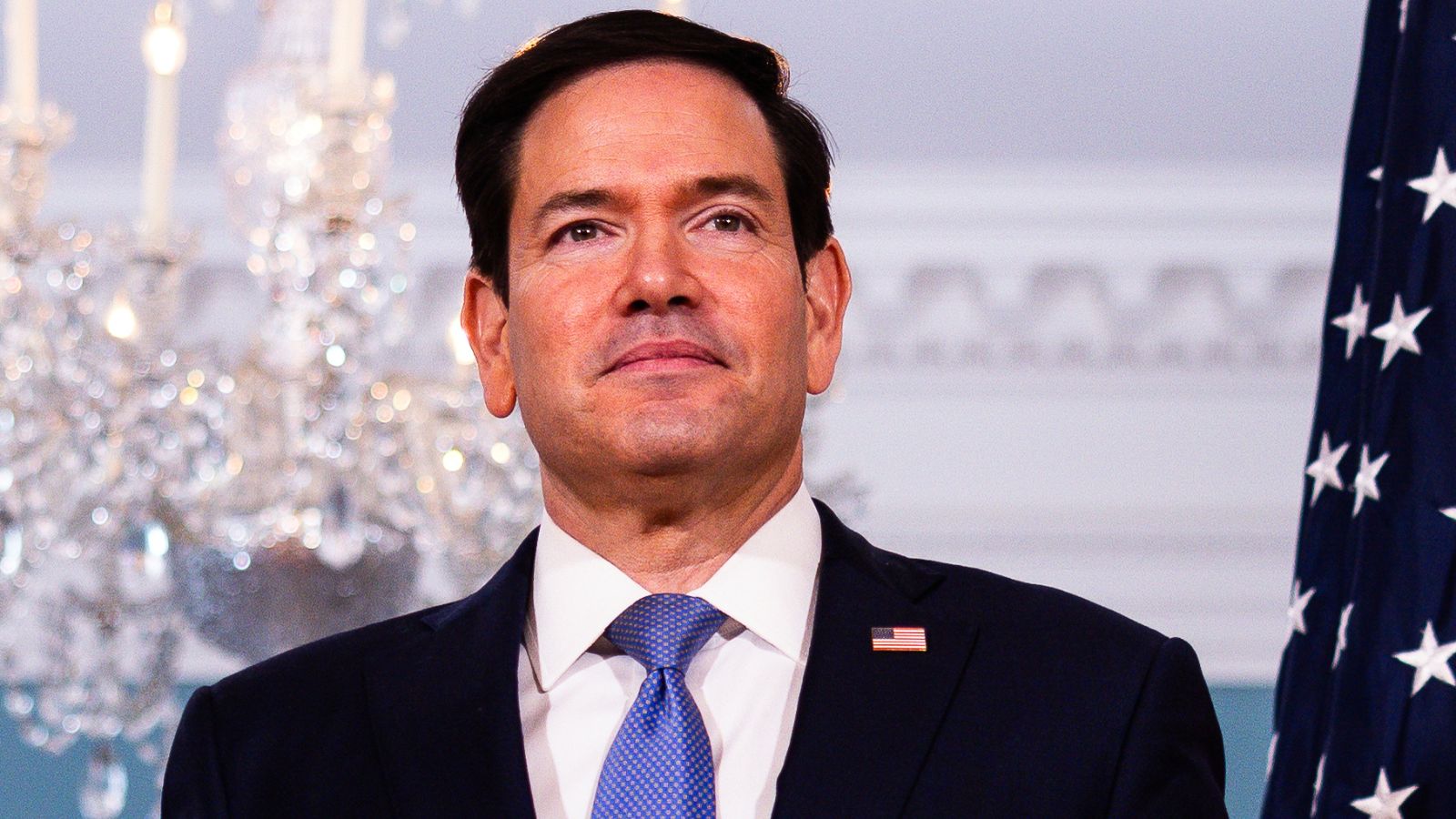
India Prime Minister Narendra Modi and Iranian leadership recently held high-stakes discussions regarding bilateral trade, infrastructure expansion, and regional connectivity. United States Secretary of State Marco Rubio immediately signaled sharp diplomatic skepticism, declaring that Washington does not foresee a genuine trade agreement materializing between New Delhi and Tehran. This high-profile diplomatic friction brings long-running geopolitical calculations back into focus. India finds itself navigating a precarious tightrope between deep economic interests in West Asia and its sprawling strategic partnership with the United States.
Trade between New Delhi and Tehran has never been a simple transactional arrangement. It is an intricate web of energy security, maritime logistics, and sanctions-era pragmatism. For years, Indian planners have viewed the Chabahar Port as a non-negotiable gateway to Central Asia and Afghanistan. This strategic maritime hub bypasses land routes through Pakistan entirely. Yet, the shadow of American secondary sanctions looms heavy over every cargo manifest and financial transfer. When Washington watches New Delhi engage with Tehran, American officials see potential financial lifelines tossed to an isolated regime. Indian diplomats see national security imperatives that transcend momentary Western anxieties.
The Sanctions Wall And Financial Conundrum
Banking compliance remains the single greatest impediment to expanding bilateral commerce between India and Iran. International payment rails freeze the moment transactions touch entities linked to the Iranian government or affiliated logistics networks. India previously managed this friction through specialized oil-for-rupee escrow mechanisms when purchasing Iranian crude. Those channels dried up entirely once the United States revoked major sanctions waivers.
Modern trade relies on speed, transparency, and universally trusted financial architecture. None of those elements exist in commerce involving sanctioned Iranian entities. Indian exporters brave enough to move agricultural commodities or pharmaceuticals across the Arabian Sea face immense hurdles. Letters of credit fail to clear traditional correspondent banks. Ships experience sudden insurance cancellations. State-backed insurance agencies in India refuse to underwrite voyages carrying goods to Iranian ports.
Bureaucratic caution frequently overrides political ambition when corporate boards calculate the cost of violating American financial regulations.
Washington holds a massive enforcement hammer. Foreign institutions caught facilitating prohibited transactions risk losing access to the USD clearing system. No commercial bank in Mumbai or New Delhi will risk expulsion from global liquidity pools for a marginal slice of Iranian trade. Secretary Rubio understands this dynamic intimately. His public skepticism is not merely diplomatic posturing. It is a statement of structural reality grounded in the architecture of global finance.
The Strategic Weight Of Chabahar Port
Economics alone do not dictate New Delhi's foreign policy calculus. Geopolitical positioning matters just as much. Control over the Chabahar infrastructure project gives India a direct shipping lane into Afghanistan and landlocked Central Asian republics. Without this corridor, Indian commercial goods face a permanent land barrier erected by Islamabad.
Maintaining access to Chabahar acts as a vital counterweight to expanding Chinese influence across the northern Indian Ocean.
Beijing's footprint in Pakistan via the China Pakistan Economic Corridor poses a persistent strategic challenge for Indian military planners. If New Delhi abandons its foothold in Iran, Beijing and Islamabad cement undisputed dominance over regional maritime and overland logistics. Indian policymakers calculate that managing American displeasure over Iranian engagement is a lesser strategic risk than ceding West Asian connectivity entirely to rival powers.
Washington periodically issues narrow sanctions waivers for the Chabahar development project, recognizing its utility for regional trade into Central Asia. These targeted exemptions expose the deep contradictions embedded inside American foreign policy. Washington wants New Delhi to act as a primary anchor in the Indo-Pacific security architecture. Yet, Washington simultaneously demands that India sever historic ties with a critical regional neighbor.
Navigating The Multialigned Future
Indian foreign policy has officially abandoned traditional non-alignment in favor of multialignment. This operational shift means participating in Western-led security groupings like the Quad while simultaneously buying discounted energy from sanctioned suppliers when national interests require it. It is a dizzying balancing act that requires constant diplomatic calibration.
Secretary Rubio’s blunt assessment highlights the limits of this balancing act. Washington will tolerate pragmatic maritime investments in Iran only up to the exact threshold where those investments begin resembling normal bilateral commerce. Once trade volumes scale upward, American pressure intensifies.
New Delhi understands these constraints completely. Prime Minister Modi's administration continues diplomatic engagement with Iran not out of ideological defiance against Western hegemony, but out of cold, hard geographic necessity. The maps cannot be redrawn. Iran sits directly on the threshold of energy-rich Central Asia. India must secure its economic future across that threshold regardless of who occupies the office of the Secretary of State in Washington.
The immediate horizon holds no sudden breakthroughs in bilateral trade expansion. Financial barriers will remain high. Sanctions walls will stay firmly locked. Yet, the underlying maritime and diplomatic currents will continue to flow beneath the surface, driven by the unchanging realities of geography and national survival