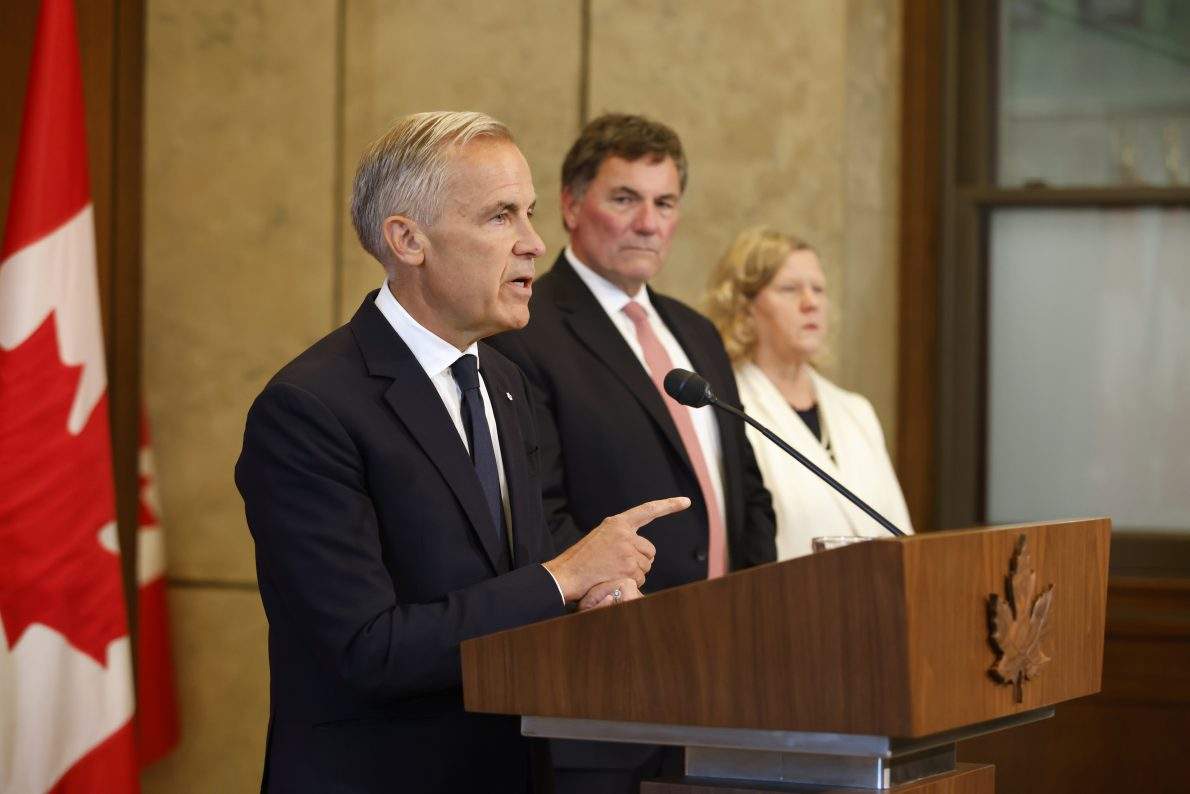
Every time Ottawa threatens to walk away from the negotiating table or slaps retaliatory tariffs on American goods to posture for domestic cameras, the poll numbers spike. Canadians love a good underdog drama. They love the cinematic image of standing tall against the American economic giant, waving a maple leaf like a broadsword.
It makes for great television. It also makes for terrible economics.
The lazy consensus in every major newsroom and pollster bullpen right now is that trade hostility with Washington is a display of national strength. I have watched politicians blow billions in wealth generation over political theater, trading long-term prosperity for a temporary five-point bump in the polls.
Canada does not win trade wars with the United States. Canada simply bleeds slower while pretending it is winning a marathon.
Let us dismantle the populist fiction that severing trade talks or weaponizing tariffs hurts the Americans more than it destroys the Canadian domestic supply chain.
The Myth of Economic Independence
The core delusion behind cheering for stalled trade talks is the belief that Canada operates as a standalone economic engine. It does not. The Canadian economy is not an independent entity bolted to the northern half of the continent; it is an integrated organ of a massive North American manufacturing body.
When politicians talk about putting tariffs on American imports to punish protectionist rhetoric down south, they forget who actually pays those tariffs. Importers do not charge a hidden fee to Uncle Sam. The Canadian manufacturer buying American steel, specialized electronics, or automotive components pays the tax. That cost rolls downhill immediately. It hits the factory floor, the balance sheet, and finally, the Canadian consumer standing at the checkout line or buying a domestic vehicle.
Retaliatory tariffs are a self-inflicted tax hike on your own citizens disguised as patriotism.
Look at the automotive sector. A single car part crosses the border seven times before a vehicle rolls off an assembly line in Ontario. When you disrupt that loop with political posturing, you do not hurt Detroit; you choke Windsor. You break the predictability that global capital demands. Capital hates uncertainty more than it hates high taxes. Every time Ottawa signals that trade agreements are up for renegotiation based on the political mood of the week, foreign direct investment packs its bags and heads to jurisdictions where adults are running the room.
The Geopolitical Leverage Delusion
Another favorite talking point of the nationalist playbook is that Canada holds vital natural resources the United States cannot live without. Oil, lumber, critical minerals, and fresh water. The narrative goes that if Washington plays hardball, Canada can simply turn off the tap.
This is a profound misunderstanding of modern commodity markets and geographic reality.
Canada exports roughly three-quarters of its merchandise trade to the United States. The United States sends a massive volume of goods north, yes, but their economy is a massive, diversified domestic behemoth where trade accounts for a smaller slice of overall GDP. Canada is a trade-dependent nation tethered to a single hyper-dominant consumer.
Imagine a corner store owner threatening to cut off their only wholesale supplier because they disagree with the supplier's pricing terms. The corner store owner might feel morally righteous, but by tomorrow afternoon, the shelves are empty and the landlord is knocking on the door.
When you look at energy, the infrastructure is a one-way pipeline designed over decades to feed American refineries. You cannot simply pivot those hydrocarbons to Europe or Asia overnight without the deep-water ports, the massive tankers, and the capital investment that Ottawa’s regulatory environment actively discourages. Threatening to withhold resources when you have zero immediate alternative buyers is not leverage. It is a bluff played with a hand of empty pockets.
The Real Cost of Isolationist Posturing
Economic nationalism always tastes good going down, but the hangover is brutal. When trade talks collapse and protectionist walls go up, productivity takes the first hit.
Canada already suffers from a chronic productivity crisis. For years, output per hour worked has stagnated compared to the United States. Why? Because protected markets breed corporate laziness. When companies do not have to compete on a continental scale against ruthless American efficiency, they stop innovating. They stop investing in automation, R&D, and modern software. They lobby for subsidies instead of building better products.
Shielding domestic industries behind tariff walls is corporate welfare dressed up as defense of the homeland. It forces Canadian consumers to pay higher prices for lower-quality goods simply to keep inefficient zombie companies alive.
I have watched companies burn millions trying to navigate localized regulatory compliance designed to favor domestic fiefdoms over open competition. The result is always the same: higher prices, lower margins, and an economy that falls further behind the global tech and manufacturing curve.
What Actually Works
If we want to stop playing the victim in North American trade dynamics, we need to abandon the emotional theater of walking away from the table.
First, stop treating trade negotiations like a football match where a win requires the other side to lose. Modern supply chains are collaborative. The goal of trade talks should be friction reduction, not political grandstanding. Every hour spent drafting retaliatory tariffs is an hour wasted that should have been spent slashing internal interprovincial trade barriers.
Yes, you read that correctly. Canada maintains internal trade barriers between provinces that are often more destructive than the tariffs Washington imposes. It is harder to ship wine from British Columbia to Ontario than it is to ship it across the international border. Cleaning up our own backyard is unsexy work that does not generate applause lines at a rally, but it is the only way to build real economic resilience.
Second, embrace specialization. Canada cannot be a powerhouse in everything. Trying to protect dying legacy industries through protectionism starves the high-growth sectors—AI, green tech, aerospace, and advanced biotech—of the capital and talent they need to scale globally.
Stop cheering for the collapse of trade talks. Stop treating economic isolation as a badge of honor. Real courage in economic policy looks like sitting at the table, doing the grinding, boring work of harmonization, and building an economy strong enough to compete without needing a government-sponsored crutch.
The next time a politician tells you that walking away from the table makes the country stronger, check your wallet. You are about to pay for their applause.