Political reporters love a circus metaphor. Every two years, without fail, legacy outlets dust off the same tired script about California Republicans "walking a tightrope" whenever Donald Trump steps onto the midterm campaign trail. The premise is always identical. Moderate GOP candidates in swing districts—places like Orange County, the Central Valley, and the Inland Empire—supposedly face an impossible balancing act. Embrace Trump, and alienate suburban independents. Reject him, and watch the MAGA base stay home.
It sounds smart on a Sunday morning panel. It reads nicely in a 900-word beltway dispatch. And it completely misunderstands the mechanical reality of California politics.
There is no tightrope. A tightrope implies a narrow path to victory if you just keep your balance. What California Republicans actually face is a structural arithmetic problem where distancing yourself from the top of the ticket does not save you—it guarantees your defeat.
The Myth of the "Moderate" Swing Voter in California
The lazy consensus assumes California's battleground House districts are filled with split-ticket pragmatists waiting for a polite, country-club Republican to save them from Sacramento's tax policies. That voter cohort went extinct somewhere between the 2016 presidential race and the 2020 redistricting cycle.
I have sat in war rooms watching consultants burn millions of dollars on "independent-minded" mailers that scrub every trace of national Republican branding. They run sanitized ads about water storage, gas taxes, and retail theft, praying voters forget what party letter sits next to their name on the ballot. Here is what actually happens when you run that playbook in a midterm election: Democratic turnout engines tie you to Trump anyway, and your own base decides you are a coward.
Look at the mechanics of California's top-two jungle primary and general election turnout models. Democrats hold a massive voter registration advantage statewide—roughly 46 percent to the GOP's 24 percent, with No Party Preference voters making up the rest. In a midterm year, the party out of power in the White House usually enjoys an enthusiasm bump, yet in California, that structural registration deficit leaves zero margin for base attrition.
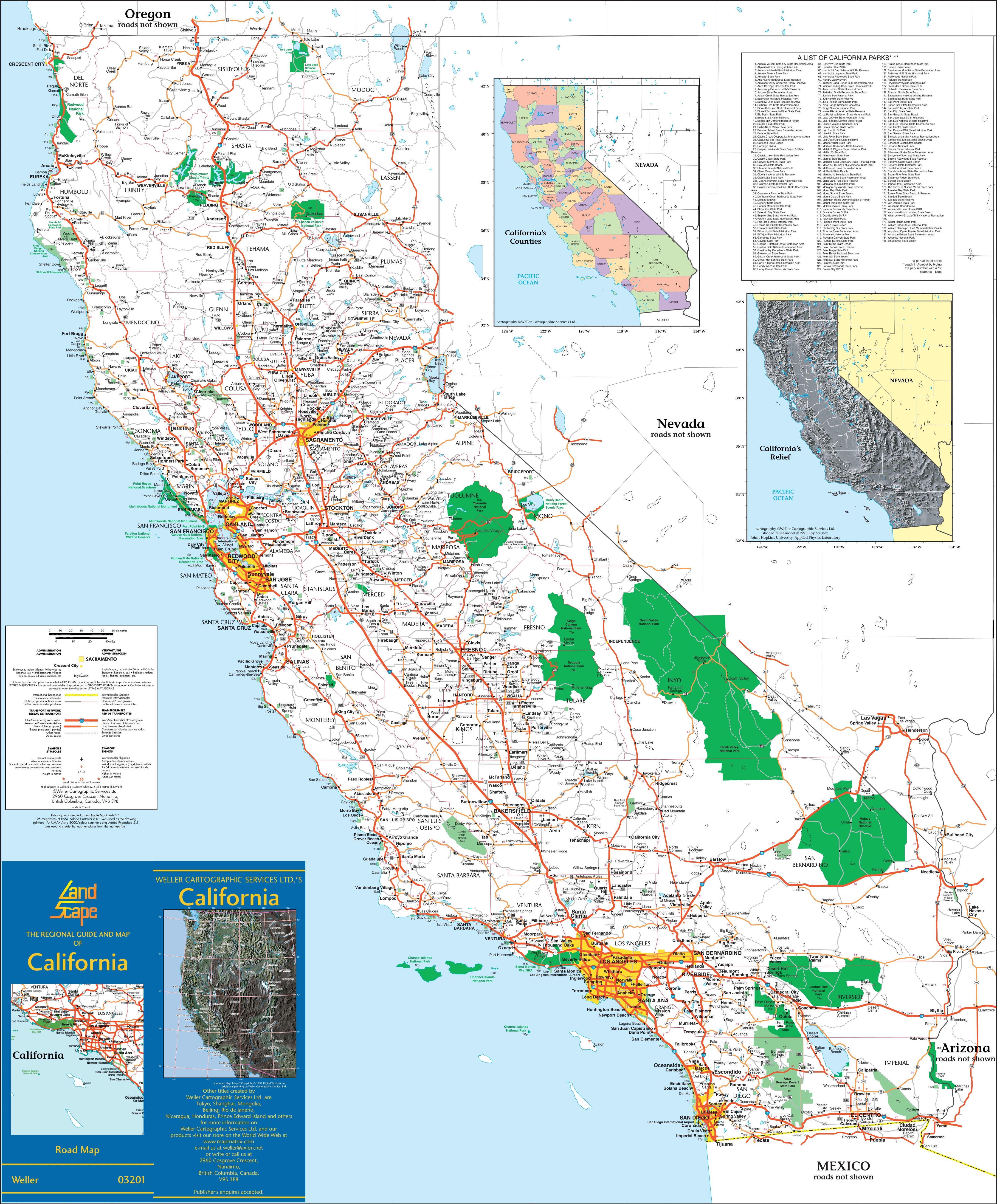
When a Republican candidate in California's 13th, 22nd, 27th, or 45th congressional district tries to play cute with Trump's endorsement, they do not win over moderate Democrats. Not a single one. Instead, they depress turnout among low-propensity, working-class conservatives in Bakersfield, Lancaster, and Fontana who only show up to vote when the campaign feels like a street fight.
Why Trump's Presence Is Fuel, Not Friction
Conventional punditry treats Trump's involvement in California midterms as a toxic spill that down-ballot candidates must contain. That framing gets the causality backward.
Trump is not dragging down vulnerable California Republicans; he is the primary reason the GOP has any pulse left in working-class Latino and Asian American enclaves across the state. Political analysts spent a decade assuming demographic shifts would permanently lock Republicans out of the Central Valley and Southern California suburbs. Instead, populist economic messaging—focused on inflation, energy costs, and border enforcement—cracked open working-class precincts that hadn't voted red since the Reagan administration.
Those voters are not showing up for a Chamber of Commerce seminar on municipal bond yields. They are responding to disruption.
When Trump jumps into the midterms, he nationalizes the race. Legacy strategists treat "nationalization" like a dirty word, warning that local candidates must keep the focus on hyper-local issues. That advice belongs in a museum. Every House race in America is nationalized now. Voters consume national media, follow national algorithms, and cast ballots as referendums on national power structures. Pretending you can run a 1994-style "all politics is local" campaign in 2026 is political malpractice.
Dismantling the Questions Everyone Gets Wrong
If you search for analysis on California GOP midterm strategy, you run into the same flawed questions repeated endlessly by commentators:
- Can California Republicans survive if they embrace Trump's rhetoric? The real question is whether they can survive if they don't. Without maximum base turnout driven by populist energy, Republican candidates lose by eight points instead of two. In districts decided by a few thousand ballots—like the razor-thin margins we have repeatedly seen in the Central Valley—base enthusiasm is the entire ballgame.
- Won't No Party Preference (NPP) voters punish candidates aligned with Trump? Data from the Public Policy Institute of California (PPIC) consistently shows that California's "independent" voters are largely shadow partisans. Most NPP voters lean reliably left or right in their actual voting behavior. The truly undecided middle is microscopic, and they vote on pocketbook pain—housing costs, electricity rates, and crime—not tone policing.
- Should GOP candidates ask Trump to stay out of the state? Asking the most dominant figure in your own party to avoid your state is like a struggling franchise asking its only star player to sit on the bench during the playoffs because the opposing fans boo him.
The Ballot Harvesting Reality Nobody Mentions
While pundits obsess over rhetorical tightropes, they ignore the actual battlefield where California elections are won and lost: ballot collection and early vote banking.
California operates under universal mail-in voting with a generous post-election receipt window and legal third-party ballot collection—commonly called ballot harvesting. For years, California Republicans treated mail-in ballots with suspicion, echoing national talking points that depressed their own early vote numbers while Democratic machine operations banked hundreds of thousands of ballots weeks before Election Day.
When you spend four weeks fighting from behind on Election Day, no amount of nuanced positioning on Donald Trump will save you. You cannot out-message a superior ground operation.
The smart operators in California GOP politics—the ones actually flipping seats rather than writing op-eds about civility—figured this out. They stopped trying to moderate their message to please editorial boards in Los Angeles and San Francisco. Instead, they leaned into populist economic grievances, built aggressive ballot-chasing operations in rural and suburban precincts, and used Trump's rallies and fundraising apparatus to vacuum up small-dollar donations and voter contact data.
The Hard Truth About The Populist Playbook
Admitting that the tightrope is a mirage does not mean leaning into Trump comes without severe risks. Pretending otherwise would be dishonest.
Going all-in on populist nationalism creates two massive vulnerabilities in California:
- The Fundraising Ceiling: Corporate PACs and traditional Silicon Valley or Newport Beach donors hate volatility. When a candidate hugs Trump too tightly, institutional money dries up, forcing the campaign to rely on expensive small-dollar digital fundraising where processing fees and ad costs eat half the gross revenue.
- Suburban College-Educated Erosion: In affluent coastal pockets—parts of Orange County, San Diego, and Ventura—college-educated voters genuinely recoil at abrasive rhetoric. In districts where those voters make up a decisive plurality, full-throttle MAGA branding hits a hard ceiling around 47 percent of the vote.
That is the real trade-off. It is not a delicate balancing act where you please everyone. It is a binary choice between two flawed paths: dilute your brand to chase affluent moderates who will vote Democrat anyway, or max out your working-class populist base and accept the ceiling in wealthy suburbs.
How California Republicans Actually Win
If you are managing a congressional campaign in a California swing district right now, throw out the beltway consultant playbook. Stop trying to thread a needle that does not exist.
- Stop apologizing for your own party. Every second you spend answering a reporter's question about Trump's latest statement is a second you are not hammering Sacramento's cost-of-living crisis. Pivot immediately to energy prices, housing affordability, and public safety. Never take the bait on tone.
- Treat Trump as an asset for turnout, not persuasion. Do not waste money trying to convince a progressive voter in Irvine to like Trump. Use Trump's presence, endorsements, and media gravity to register and turn out infrequent conservative voters in working-class neighborhoods who usually skip midterm elections.
- Own the economic populism. Traditional supply-side talking points about corporate tax rates fall flat with working families getting crushed by utility bills and grocery prices. Frame every issue around how entrenched political elites in Sacramento and Washington are rigging the economy against working people.
- Obsess over ballot mechanics, not cable news hits. Trade every single Sunday show appearance for precinct captains tracking unreturned mail ballots in Republican-leaning tracts.
The media wants a story about tortured moderates agonizing over their political souls. The voters in California's battleground districts do not care about political theater. They care about who is going to break the status quo that is pricing them out of their own state. You do not win a street fight by walking a tightrope—you win by picking a side and throwing the first punch.