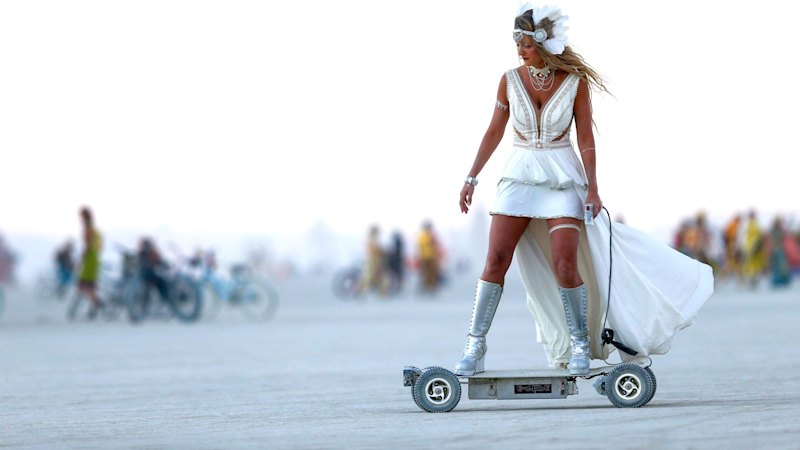
For years, the narrative around Burning Man was simple: fierce ticket scarcity, multi-hour online queues, and a massive migration of tech elites, venture capitalists, and influencers heading to the Black Rock Desert. You needed luck or deep connections just to secure a pass to the temporary metropolis.
Then reality hit. Tickets stopped selling out. Secondary markets cratered, with passes plunging well below face value, and the organization behind the event reporting severe financial shortfalls.
Is the world's most famous countercultural experiment dying, or is it just shedding its bloated tech-bro skin? If you look past the headlines, America's mega-festival isn't just dealing with a routine midlife crisis—it is facing a fundamental identity reckoning.
The Financial Squeeze of the Playa
Let's look at the numbers. Attending Burning Man has never been cheap, but costs have spiraled out of control. Between ticket prices hovering near $750 plus vehicle passes, expensive survival gear, water, fuel, and rental RVs, a single week on the playa can easily drain several thousand dollars.
For millennials who built the core demographic of the event over the last decade, financial pressures have mounted. Mortgages, childcare, and general inflation mean that dropping three grand on a punishing week of dust storms is a harder sell than it used to be.
At the same time, Gen Z isn't biting. Younger adults are gravitating toward shorter, cheaper, and vastly more accessible weekend music festivals that don't require renting a heavy-duty generator or scrubbing alkaline dust out of their teeth for a month. When an experience demands both massive financial outlay and brutal physical endurance, a shrinking pool of people are willing to sign up.
Comfort Versus the Radical Ethos
The original ethos of Burning Man was built on radical self-reliance. You brought what you needed, survived harsh desert elements, and shared resources with your neighbors. Over the past fifteen years, however, that ethos warped into something unrecognizable.
Luxury turnkey camps cropped up everywhere. Wealthy attendees began flying in on private charters, hiring private chefs, and living in air-conditioned mega-RVs that walled them off from the actual community. It transformed from an anti-consumerist experiment into a playground for tech executives and influencers seeking a curated aesthetic.
Mother Nature eventually pushed back. Brutal heatwaves, unexpected downpours, and deep mud pits paralyzed the desert in recent years. When survival becomes genuinely uncomfortable, the appeal of paying thousands of dollars to rough it wears thin. Even for wealthy participants, coping with infrastructure failures loses its charm when convenience is what they bought in the first place.
Where the Festival Goes From Here
A cooling market might actually save the event from itself. When tickets fail to sell out and resale prices bottom out, the speculators and luxury-camp chasers tend to stay home. What remains is a core group of dedicated artists, builders, and community members who care more about radical inclusion than posting photos for clout.
If the organization wants to stabilize its long-term future, it has to accept a smaller footprint. Inflated operating budgets and massive corporate structures require constant growth, but countercultures cannot scale infinitely without losing their soul.
Stripping away the excess, lowering the financial barriers to entry, and returning to grassroots participation are the only paths forward. The festival might be bruised and financially squeezed, but stripping away the corporate sheen could be the exact medicine required to bring the culture back to life.