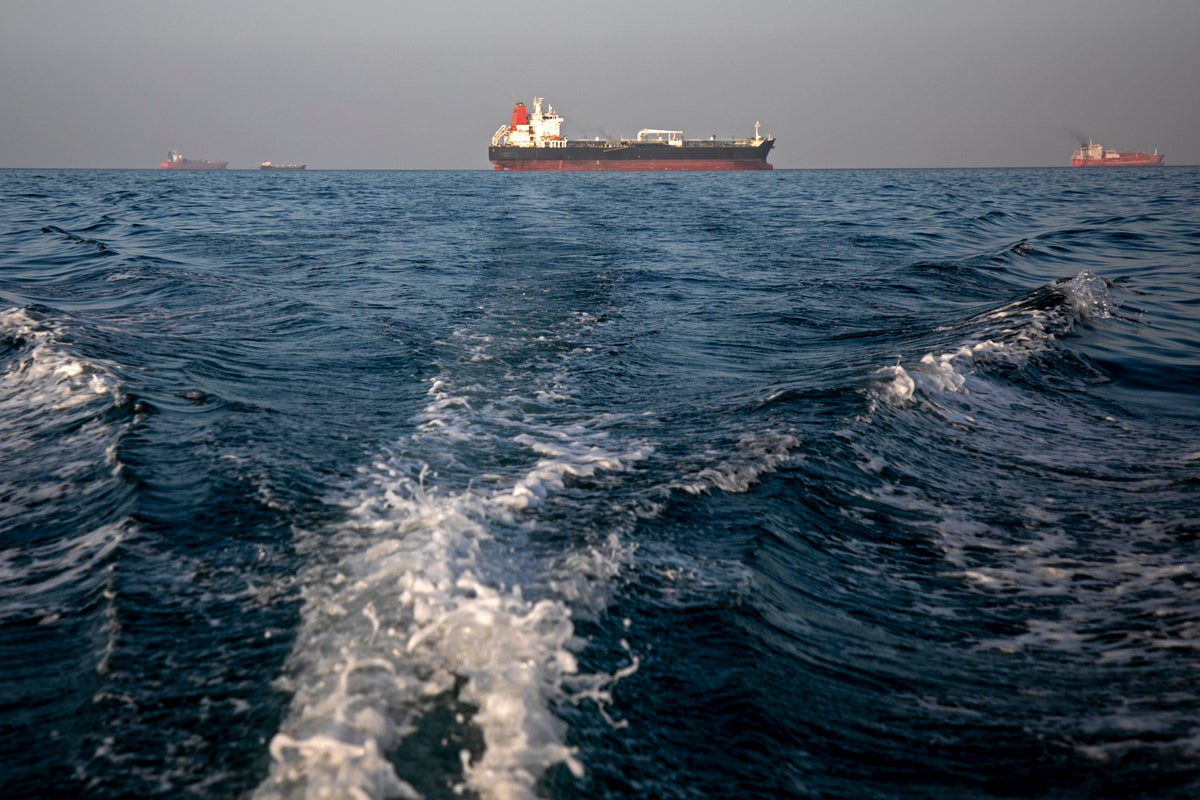
The United States military launched precision strikes against an Iranian naval base near Bandar Abbas and several missile launch sites along the Strait of Hormuz on May 25, 2026. This escalation marks a dangerous rupture in an already fragile ceasefire that has barely held since the assassination of Supreme Leader Ali Khamenei in February. While US Central Command (CENTCOM) frames these as self-defense measures to prevent the mining of international shipping lanes, the reality on the water reveals a much more complex and volatile chess match.
Shipping through the world’s most vital energy artery has remained largely paralyzed for months. The latest American kinetic action was not a random outburst of aggression but a targeted response to what intelligence officials describe as a "protection racket" run by the Islamic Revolutionary Guard Corps (IRGC).
The Siege of the Strait
The primary trigger for the May 25 strikes was the detection of Iranian fast-attack craft attempting to emplace sea mines in the shipping separation scheme. This area is the highway for nearly 20% of the world’s petroleum and liquefied natural gas. Since the war began in late February, traffic has plummeted to roughly 5% of its normal volume.
CENTCOM spokesman Captain Timothy Hawkins stated that the military is "using restraint," yet the destruction of missile launch sites near Bandar Abbas suggests a broadening of the target list. For months, the US has maintained a counter-blockade, redirecting over 100 vessels destined for Iranian ports. This strategy aims to starve the Iranian economy while the IRGC attempts to do the same to the global market by demanding "security fees" for passage.
The Protection Racket
In a cynical pivot, the IRGC has begun framing its presence in the Strait as a legitimate maritime security service. Reports indicate they have been demanding payments ranging from $150,000 to $2 million from commercial vessels in exchange for "safe passage."
- Coercion: Iran creates the danger by laying mines and threatening drone strikes.
- Extortion: They then offer to "protect" ships from those very same threats for a fee.
- Control: Accepting these terms grants Iran de facto legal authority over international waters, a precedent the US is determined to shatter.
A Ceasefire in Name Only
The strike comes at a moment of intense diplomatic friction. Mediated by Pakistan, peace talks have reportedly made "slight progress" toward a 60-day ceasefire extension. However, the gap between Washington and Tehran remains a chasm. The US demands the total removal of highly enriched uranium from Iranian soil and the unconditional reopening of the Strait. Iran, now led by Khamenei’s son, has shown no sign of relinquishing its last major piece of leverage.
Secretary of State Marco Rubio recently warned that the administration has "other options" if negotiations fail. The May 25 strikes are a clear signal of what those options look like. By targeting the Bandar Abbas naval hub, the US is telegraphing that it can and will dismantle the infrastructure of the Iranian blockade piece by piece, regardless of the ongoing "truce."
The Regional Cold Shoulder
One of the most overlooked factors in this 2026 conflict is the sudden isolation of the US from its traditional regional allies. Both Saudi Arabia and Kuwait recently halted permission for the US to use their bases and airspace for "Project Freedom," the operation aimed at forcing the Strait open.
This hesitation stems from a fear of Iranian retaliation. When the US and Israel launched the initial air war on February 28, the IRGC responded with drone and missile strikes on UAE and Saudi infrastructure. The Gulf monarchies are now walking a tightrope, unwilling to be the anvil for American hammers. While some permissions have been reportedly reversed under intense pressure, the lack of a unified regional front has emboldened the IRGC to continue its mining operations.
The Humanitarian Cost of the Blockade
Beyond the geopolitics, there is a mounting human toll. The International Maritime Organization reports that approximately 2,000 ships and 20,000 mariners are currently stranded in the Persian Gulf. These crews are trapped in a high-risk zone where insurance coverage has been stripped, making any movement a potential financial and physical suicide mission.
The US blockade of Iranian ports has reached a milestone, with 26 humanitarian aid ships allowed to pass while military and commercial cargo are turned back. This "managed starvation" of the Iranian war machine is a brutal necessity in the eyes of the Pentagon, but it fuels the IRGC's domestic narrative of "Western economic terrorism," complicating any hope for a popular uprising or a diplomatic breakthrough.
Tactical Reality vs. Strategic Failure
The US Navy 5th Fleet is currently more powerful than it has been in decades, yet it is struggling to solve a low-tech problem. Thousands of advanced sensors and stealth assets are being bypassed by $20,000 drone boats and old-fashioned sea mines.
If the US continues to strike land-based missile sites without a clear plan to secure the water permanently, it risks a war of attrition it cannot win through airpower alone. The IRGC has shifted its doctrine from defensive to offensive, utilizing underground "missile cities" and anti-stealth radar systems provided by external partners.
The strike on Bandar Abbas was a tactical success that removed immediate threats to the fleet. However, until the "protection racket" in the Strait of Hormuz is dismantled through either a total naval victory or a monumental diplomatic concession, the world’s economy will remain a hostage to the narrow waters of the Gulf.
The question is no longer if the war will resume, but whether the current ceasefire was ever anything more than a period of reloading. Washington's patience for "restraint" is clearly at its end.