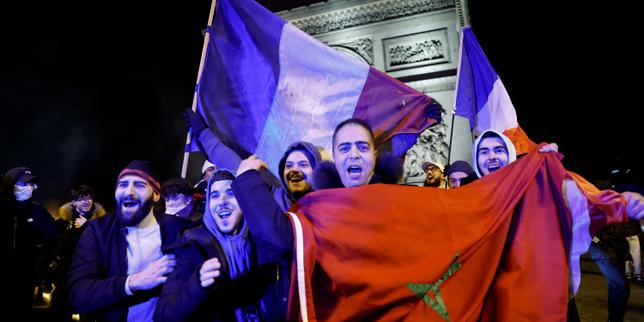
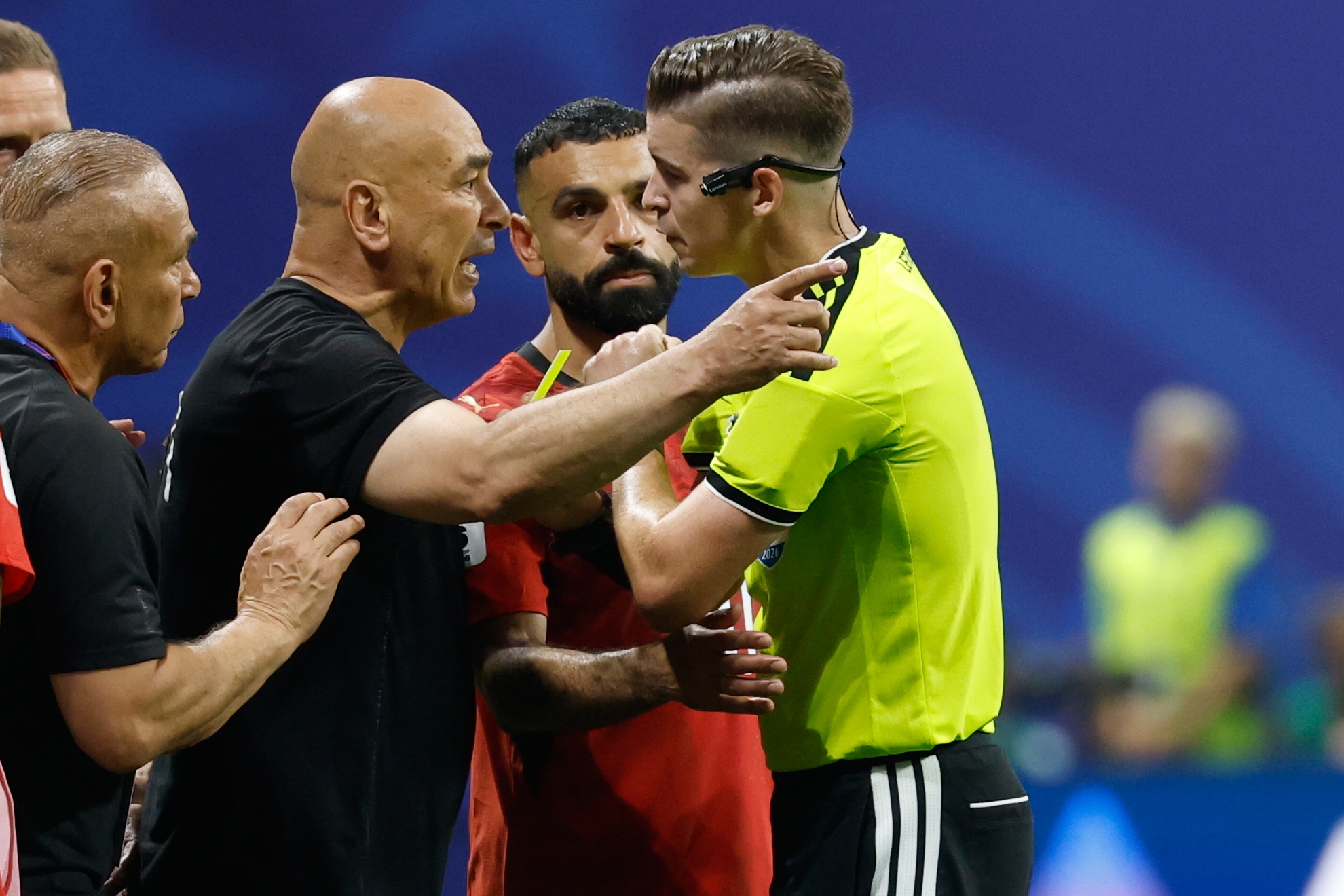
When France and Morocco meet on a football pitch, the 90 minutes of play serve as a brief window into a century of geopolitical tension, migration patterns, and unresolved colonial history. This fixture is never just about a ball. The primary tension stems from a complex post-colonial relationship where dual nationality, identity, and political leverage collide under the floodlights of international sport. For decades, French football relied heavily on talent nurtured in its diverse suburbs, while Morocco has increasingly turned the tables by recruiting elite, French-born talent back to its national squad. This dynamic transforms a standard sporting match into a high-stakes proxy debate over what it means to be French, Moroccan, or both.
The Migration Pipeline Turns Inward
For the better part of the last forty years, the flow of football talent appeared to move in one direction. French academies developed players, and the French national team reaped the rewards. This system helped secure multiple World Cup titles for Les Bleus. Millions of North African immigrants settled in France during the mid-20th century to fill labor shortages, bringing with them a deep passion for the sport that their children and grandchildren inherited.
The suburbs surrounding Paris became the most fertile scouting grounds in Western Europe. Concrete pitches produced technical geniuses who possessed both physical power and street-smart flair. French infrastructure captured this talent early.
But the tide shifted. The Moroccan Royal Football Federation recognized a critical vulnerability in the European system. They realized that many elite players of Moroccan descent felt culturally isolated in Europe, often treated as citizens only when they won matches.
Morocco launched a sophisticated scouting network targeting the diaspora across France, the Netherlands, Belgium, and Spain. They did not just offer international caps. They offered a profound sense of belonging and a connection to ancestral roots that European nations frequently failed to provide.
The strategy worked. Players who grew up in the shadow of French stadiums began choosing the green star of Morocco over the French tricolor. This was not a failure of talent scouting by France; it was a failure of cultural integration.
The Double Nationality Identity Battleground
The concept of dual citizenship sits at the heart of this sporting friction. In France, the political rhetoric surrounding assimilation has grown increasingly sharp over the last decade. Right-wing politicians routinely question the loyalty of citizens who hold passports from North African nations, using football as a metric for patriotism.
+------------------------------------+------------------------------------+
| French National Team Approach      | Moroccan Diaspora Strategy         |
+------------------------------------+------------------------------------+
| • Relies on domestic academy system| • Aggressive scouting in European  |
| • Demands total cultural alignment |   suburbs                          |
| • Views talent through a lens of   | • Appeals to ancestral identity    |
|   strict assimilation              |   and emotional connection         |
+------------------------------------+------------------------------------+
Consider the intense pressure placed on a teenager forced to choose between the country of their birth and the country of their parents. It is a decision loaded with political consequences. If a French-born player chooses Morocco, sections of the French media label them as ungrateful products of the state system. If they choose France, they face accusations of turning their backs on their heritage.
The reality on the ground is far more nuanced than political pundits suggest. These athletes navigate a hybrid identity daily. They speak French, watch French media, and live the reality of European citizens, yet their domestic lives are anchored by Moroccan traditions, faith, and family structures. When they step onto the pitch against France, they are playing against their own daily reality.
The Tactical Evolution of the Atlas Lions
Morocco’s rise on the global stage is not merely a story of emotional recruitment. It is a story of tactical modernization. The federation invested millions into the Mohammed VI Football Academy, ensuring that domestic talent could match the tactical literacy of European-born players.
When these two styles clash, it creates a fascinating tactical chess match. France traditionally relies on a pragmatic, counter-attacking system that uses raw speed and clinical finishing. Morocco counteracts this with a compact, disciplined defensive block combined with rapid transitions through technical wide players.
The Unspoken Ghost of the Protectorate
You cannot understand the intensity of this match without understanding the French protectorate over Morocco, which lasted from 1912 until Moroccan independence in 1956. Unlike Algeria, which was treated as an integral part of France, Morocco was a protectorate, meaning its traditional institutions remained technically intact while French authorities controlled the economy, military, and foreign policy.
This historical distinction left a specific psychological legacy. The relationship is characterized by a mix of deep familiarity and lingering resentment. French remains widely spoken in Moroccan business and higher education, creating a continuous cultural bridge that makes the sporting rivalry feel intensely personal.
When Morocco defeats France on the pitch, it is viewed by many as a symbolic victory over the old colonial master. It is a public demonstration of equality, achieved on the most public stage in the world. Conversely, a French victory can sometimes feel like a reinforcement of the old hierarchy, sparking civil unrest in cities like Paris, Marseille, and Brussels where large diaspora communities reside.
The policing of these matches in European cities has become a highly politicized issue. Authorities deploy thousands of officers to manage crowds, treating a football match with the same security urgency as a major political summit. The tension in the streets mirrors the tension on the grass.
Beyond the Ninety Minutes
The commercial stakes are equally high. French clubs are filled with Moroccan internationals, and French managers frequently find employment in the Moroccan top flight. The economic ties between the two footballing bodies are dense and highly profitable.
This financial interdependence ensures that despite the political posturing on both sides, the relationship will never completely fracture. French football needs the raw talent originating from immigrant communities, and Moroccan football profits from the elite training structures found within Western Europe. It is a symbiotic relationship born out of necessity, even if both sides occasionally loathe to admit it.
The stadium becomes a microcosm of the modern world. It displays the realities of globalization, migration, and shifting power dynamics. As the referee blows the whistle, the players chase a ball, but the crowds are watching history unfold in real time.