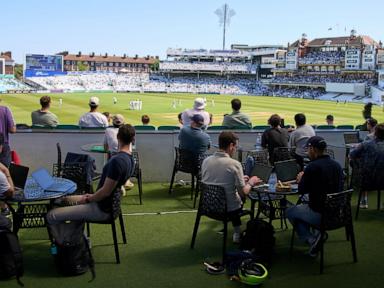
County cricket is facing an existential threat that cannot be solved by a flat white and a Wi-Fi password. While Somerset County Cricket Club and others across the English game are now actively marketing their pavilions as "co-working spaces" to lure remote workers during midweek matches, this isn't just a clever pivot in hospitality. It is a desperate land grab for a demographic that has long since abandoned the four-day game. The premise is simple: if people can work from anywhere, why not work from the boundary edge? But beneath the PR gloss of "productivity meets pace," there is a cold, hard financial calculation being made by clubs who are watching their traditional fan base literally die out.
The logic is sound on paper. Since the 2020 shift in global work habits, millions of professionals are no longer tethered to city offices. For a sport like County Championship cricket, which occupies the graveyard shift of Tuesday to Friday, these "digital nomads" represent the only untapped reservoir of potential ticket sales. However, turning a historic sporting venue into a satellite office is a move fraught with logistical friction and a fundamental misunderstanding of why people go to the cricket in the first place.
The Revenue Gap That Coffee Won't Fill
English cricket has a structural deficit. Outside of the high-octane atmosphere of the T20 Blast or the manufactured buzz of The Hundred, the domestic game is a loss leader. The long-form, four-day matches are the bedrock of player development, yet they often play out in front of crowds that wouldn't fill a local cinema. For years, the England and Wales Cricket Board (ECB) has subsidized this format, but as costs for energy and ground maintenance soar, the subsidy is no longer enough.
Clubs are looking at their square footage and seeing waste. A hospitality suite that sits empty for 200 days a year is a liability. By rebranding these spaces as remote working hubs, Somerset and its peers are trying to monetize the silence of the weekday morning. They aren't just selling a seat; they are selling an escape from the four walls of a home office.
Yet, the math is tricky. A "co-working" ticket usually includes a desk, power, internet, and perhaps a few cups of coffee. When you subtract the overhead costs of high-speed fiber optics and additional staff to manage the "office" environment, the profit margins are razor-thin. This is a volume play. The hope is that the worker who comes for the Wi-Fi stays for the bar trade at 5:00 PM. But if the worker is actually working, they aren't watching the game. If they aren't watching the game, they aren't becoming fans. They are just using the club as a glorified Starbucks with a better view.
The Wi-Fi Myth and the Reality of Match Day
There is a glaring technical hurdle that many clubs haven't cleared: connectivity. Most cricket grounds are historic structures with thick stone walls or modern stands built with vast amounts of signal-blocking steel. Providing enough bandwidth for fifty people to simultaneously join high-definition video calls while several thousand fans (on busier days) hit the local cell towers is a nightmare for IT departments.
If the internet drops during a crucial client presentation, that "remote worker" isn't coming back. They will return to their kitchen table where the connection is stable and the coffee is free. For a club to truly compete with dedicated co-working brands like WeWork or Regus, they need to invest hundreds of thousands of pounds in infrastructure. Most county clubs are currently operating on budgets that barely cover their playing staff, let alone a Tier-1 data network.
The Conflict of Atmosphere
Cricket is a game of noise. There is the crack of the bat, the rhythmic clapping of the slip cordon, and the roar of a small but vocal crowd when a wicket falls. For a remote worker, this is "background noise" in a PR brochure, but it is a "distraction" in reality. Conversely, the traditional fan—the one who has paid for a membership for forty years—does not want to sit next to someone loudly discussing quarterly earnings or "circling back" on a project plan.
By inviting the office into the stands, clubs risk alienating the core supporters who provide the atmosphere. There is an unspoken etiquette in the long-form game: a quiet appreciation of the tactical battle. The sudden intrusion of "corporate speak" breaks that spell.
Why the Middle Class is the Only Target Left
The push for remote workers is a tacit admission that the "working class" has been priced out or timed out of cricket. To attend a four-day match, you either need to be retired, unemployed, or part of the professional elite who can "work from the ground." By targeting the latter, clubs are narrowing their cultural footprint.
This strategy leans heavily into the "lifestyle" aspect of the sport. It positions cricket as a luxury backdrop for the affluent. While this might solve a short-term cash flow problem, it does nothing to solve the sport's diversity or accessibility issues. It reinforces the image of cricket as an elitist pursuit, reserved for those who have the luxury of a flexible schedule and a laptop.
The Ghost of the Hundred
We cannot discuss county cricket's desperate search for relevance without acknowledging the elephant in the room: The Hundred. This shorter, louder version of the game was designed specifically to attract families and younger viewers. It has been successful in moving tickets, but it has also cannibalized the attention and resources given to the County Championship.
As the ECB prioritizes the shorter formats, county clubs are left to fend for themselves. This "remote work" initiative is a grassroots survival tactic. It is a sign that the counties realize the mother ship isn't coming to save them. They must find ways to make their assets—their buildings and their views—pay for themselves.
A Better Way to Pivot?
If clubs want to capture the remote work market, they should stop trying to mix the two worlds. Instead of putting desks in the stands, they should turn their peripheral buildings into permanent, high-end office suites that overlook the pitch but are soundproofed. This allows the business of work and the business of sport to coexist without ruining the experience for either party.
Some clubs have experimented with "Business Clubs," where membership includes networking events and professional facilities. This is a more sustainable model than selling a £20 day pass to a guy with a MacBook and a deadline. It builds a community of local businesses that have a vested interest in the club's success, rather than a transient population of freelancers looking for a change of scenery.
The Infrastructure Trap
The biggest danger for clubs is the "Sunk Cost" trap. To attract corporate workers, they must provide corporate-level amenities. This means upgraded HVAC systems, ergonomic seating, and premium catering. If the expected wave of workers doesn't materialize—or if the trend of "Return to Office" mandates continues to gain steam—the clubs will be left with expensive facilities they can't afford to maintain.
Data from major cities suggests that the "work from anywhere" honeymoon is cooling. Large firms are increasingly demanding that staff spend at least three days in the office. If the Tuesday-to-Thursday window for remote working shrinks, the entire business case for cricket-ground offices collapses.
Survival is Not a Strategy
Promoting remote work is a tactic, not a strategy. It addresses the symptom—empty seats—rather than the cause—a format that is increasingly difficult to consume in the modern economy. For the County Championship to survive, it needs to find a way to be relevant to people who don't have a laptop open.
The focus should be on the quality of the product on the pitch and the ease of access for the local community. If the only way to get people through the gates is to tell them they can ignore the game while they answer emails, then the game has already lost.
The most successful clubs of the next decade won't be the ones with the fastest Wi-Fi. They will be the ones that understand how to balance their heritage with the brutal reality of a shifting economy. They will find ways to make the live experience so compelling that people actually want to close their laptops.
The pavilion shouldn't be an office. It should be an escape from the office. Until cricket clubs remember that, they are just landlords with a very expensive grass hobby.
The move to invite remote workers is an act of managed decline. It is a recognition that the game, in its current midweek four-day form, cannot stand on its own two feet. While it may provide a temporary boost to the balance sheet, it risks diluting the soul of the sport. A cricket ground is a place of sanctuary, a place where time slows down. Turning it into just another node in the global network of "flexible workspaces" is a high price to pay for a bit of extra footfall.
Clubs must decide if they are sporting institutions or property management firms. If they choose the latter, they might save the books, but they will lose the game.