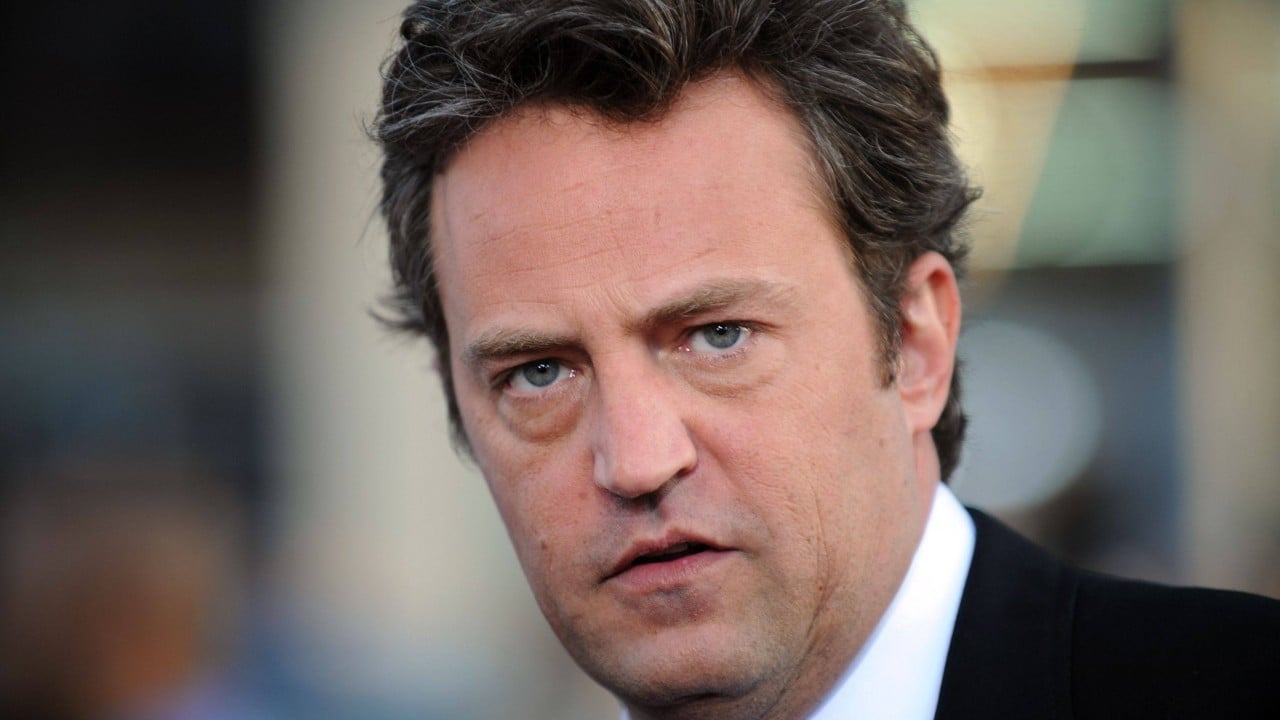
The sentencing of Jasveen Sangha, the woman known to the underworld as the Ketamine Queen, marks more than just the closing of a high-profile criminal case. It exposes the ruthless efficiency of a shadow economy that targets the vulnerable through a network of white-coat enablers and street-level distributors. Sangha received a 15-year prison sentence for her role in providing the high-dose ketamine that led to the drowning death of actor Matthew Perry in October 2023. While the headlines focus on the 15-year term, the investigation revealed a sophisticated criminal pipeline involving licensed doctors and personal assistants who transformed a lifesaving anesthetic into a fatal commodity.
This wasn't a chance encounter in a dark alley. It was a calculated business arrangement.
The Professionalization of the Overdose
For decades, the narrative of celebrity drug deaths followed a predictable path: a troubled star, a shady dealer, and a tragic hotel room. The Perry investigation upends this trope. It shows a terrifying level of professional integration. We are seeing a "concierge" model of drug trafficking where the line between legitimate medicine and criminal distribution has blurred into nonexistence.
Dr. Salvador Plasencia and Dr. Mark Chavez didn't just break their hippocratic oaths; they acted as procurement officers. By sourcing ketamine through fraudulent prescriptions and clinical channels, they provided the "Ketamine Queen" and Perry’s inner circle with a veneer of medical safety that was entirely illusory. When a doctor hands you a vial, the lizard brain assumes it is safe. This psychological exploit is exactly what allowed the price gouging to reach absurd levels, with Perry reportedly paying thousands of dollars for vials that cost less than $15 to manufacture.
The cruelty was documented in black and white. Text messages recovered by federal investigators showed the doctors mocking Perry’s addiction, wondering openly "how much this moron will pay." This is the cold reality of the modern drug crisis. It is an extraction industry.
Why Ketamine is the New Frontier
Ketamine is not heroin. It is not fentanyl. It occupies a unique, precarious space in the American pharmacopeia. As a dissociative anesthetic, it has gained legitimate traction as a treatment for treatment-resistant depression and PTSD. This medical legitimacy created the perfect cover for Sangha's operation.
The rise of "Ketamine Clinics" across the United States has normalized the drug's presence in the public consciousness. However, there is a massive gulf between a supervised clinical infusion and the "take-home" vials Sangha was peddling. When the drug is removed from a monitored setting, it becomes a tool for rapid respiratory depression and physical helplessness. In Perry’s case, the drug didn't just stop his heart; it rendered him unable to keep his head above water in a hot tub.
The legal system is currently playing catch-up with this shift. Prosecutors used the Sangha case to send a message that the distribution of "party drugs" under the guise of therapy will be treated with the same weight as traditional narcotics trafficking. But the demand hasn't vanished. If anything, the glamorization of ketamine as a "spiritual" or "therapeutic" tool has made it more attractive to those who would never touch a needle or a pipe.
The Assistant as an Accomplice
Perhaps the most jarring element of the Perry case is the role of Kenneth Iwamasa, Perry’s long-time live-in assistant. In the hierarchy of celebrity, the assistant is the gatekeeper, the fixer, and often the only person with whom the star is truly honest.
Iwamasa pleaded guilty to conspiracy to distribute ketamine. He was the one physically administering the shots to Perry on the day he died. This highlights a systemic failure in the "entourage" culture of Hollywood. When your paycheck depends on the whims of a person struggling with substance abuse, the incentive to intervene is often swallowed by the fear of being fired or the desire to "keep the peace."
Iwamasa wasn't a medical professional. He was a man with a syringe and a boss who couldn't say no. This dynamic turned Perry’s home into an unsupervised ICU, devoid of the equipment or expertise needed to manage a drug as potent as ketamine. The "Ketamine Queen" provided the product, but the infrastructure of Perry's own life provided the delivery system.
The Supply Chain of North Hollywood
Jasveen Sangha did not operate from the shadows. She lived a high-profile life in North Hollywood, fueled by the proceeds of a distribution hub that federal agents described as a "boutique" for high-end drug seekers. Her stash included hundreds of ketamine vials, methamphetamines, and various pills, all maintained in a residential setting.
Her business model relied on the "gray market." This is the space where diverted pharmaceutical supplies meet the demand of the wealthy. By positioning herself as a reliable source for "clean" drugs, she bypassed the usual risks associated with street-level dealing. Her clients weren't looking for a high; they were looking for an escape that felt managed and "safe" because it came in a sealed glass vial rather than a plastic baggie.
The 15-year sentence is significant, but in the world of high-stakes trafficking, it is often viewed as a cost of doing business. The real question is whether the DEA and DOJ can dismantle the domestic pipelines that allow doctors to become wholesalers. Until the financial incentives for physicians to divert these substances are removed, there will always be another "Queen" waiting to take the throne.
The Myth of Functional Addiction
Matthew Perry spent his life and a fortune—estimated at over $9 million—trying to get sober. His struggle was public, documented in his own memoir, and served as a beacon for many others. His death proves that there is no such thing as a "safe" level of use when dealing with powerful anesthetics outside of a hospital.
The tragedy lies in the fact that Perry was seeking relief. The doctors and dealers involved knew this. They leveraged his desperation to fuel their own greed. This is the "Brutal Truth" of the situation: Perry was not a victim of a single bad batch of drugs, but of an entire ecosystem designed to profit from his inability to stay clean.
The conviction of Sangha and the guilty pleas of her co-conspirators offer a grim blueprint of how modern addiction is serviced. It is a vertical integration of supply and demand. The doctor signs the paper, the assistant handles the logistics, and the dealer provides the volume.
The industry must now reckon with the fallout. Regulatory bodies are under pressure to tighten the leash on ketamine distribution, which could unfortunately make it harder for legitimate patients to access life-saving care. This is the collateral damage of the Sangha model. When criminals exploit a medical loophole, the patients are the ones who eventually pay the price through increased bureaucracy and stigma.
Focusing solely on the "Ketamine Queen" ignores the broader failure of the medical oversight system. If a doctor can divert enough anesthetic to kill a man without triggering an immediate audit, the system is broken. We should be looking at the digital tracking of these substances and the immediate revocation of medical licenses for any physician involved in non-clinical distribution. The 15-year sentence for Sangha is a start, but it is a reactive measure to a proactive problem.
The money will always find a way to the supply. If we want to prevent the next high-profile drowning, the focus has to shift from the person holding the vial to the person writing the prescription. Check the ledgers, audit the clinics, and remove the profit motive from the medicine cabinet.



