Beyond the Final Whistle
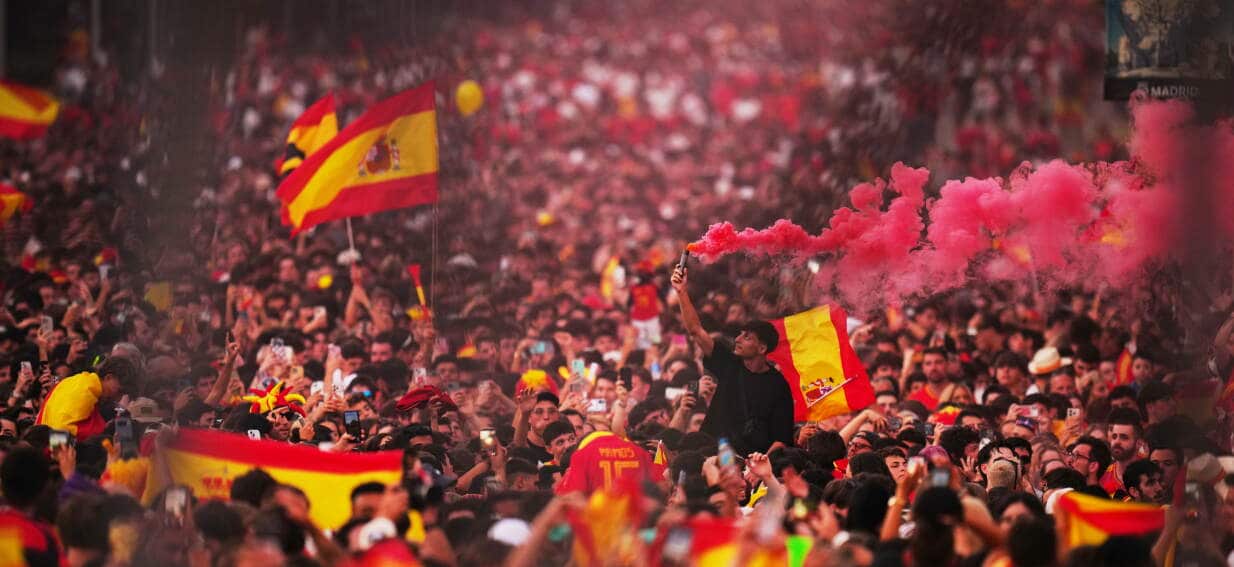
When the final whistle blew at the World Cup final, millions of supporters were left grappling with a profound sense of loss that statistics simply cannot capture. While match reports focus on tactical setups, possession metrics, and individual errors, they routinely miss the human infrastructure that powers global sports: the emotional and financial sacrifice of the fanbase. Fans routinely pour thousands of dollars, months of planning, and enormous psychological energy into supporting a team, only to face a sudden collapse of expectation in a single ninety-minute window. Understanding this reaction requires looking past surface-level disappointment into the mechanics of fan devotion and the business models that capitalize on it.
The Economics of Hope
Modern tournament football runs on an implicit contract between governing bodies, commercial sponsors, and supporters. The industry asks fans to invest deeply, both financially and emotionally, creating an atmosphere that broadcasts can monetize.
Consider the baseline commitment required to follow a national team to a final stage tournament. A fan attending a knockout run frequently manages:
- Intercontinental travel booked on short notice at peak market rates
- Inflated local accommodation costs driven by algorithmic pricing
- Tournament tickets acquired through secondary markets or high-tier hospitality packages
- Time off work that often consumes an entire annual leave allocation
When a team falls short, the return on this massive outlay transforms instantly. It is not merely a lost sporting contest; it is the sudden devaluation of a significant personal investment. Governing bodies rely on this intense loyalty to drive record revenues, yet the psychological safety net for the consumer remains non-existent.
The Psychological Toll of Near-Miss Defeats
Sports psychologists have long studied the phenomenon of collective grief following high-stakes losses. Unlike regular league matches where a recovery opportunity arrives the following week, a World Cup final defeat represents a four-year cycle ending in failure.
The neurological reaction to losing a major final mirrors acute disappointment in standard life events. Endorphin levels crash rapidly following the sustained high of a tournament run. The brain struggles to process the abrupt shift from intense anticipation to total closure.
Counter-Factual Thinking in Fan Culture
In the aftermath, supporters engage in what researchers call counter-factual thinking—the obsession with "what if" scenarios. A missed penalty, a dubious refereeing call, or a tactical substitution becomes a focal point for collective frustration. This reaction is a coping mechanism designed to regain a sense of control over an outcome that was entirely outside the spectator's influence.
The Shift in Fan Engagement
The way supporters process defeat has fundamentally changed with the rise of instant digital reaction platforms. Where previous generations absorbed a loss in relative isolation or within local community hubs, modern fans immediately enter a global arena of public reaction, criticism, and online banter.
This environment creates two distinct phenomena during a high-profile defeat:
- Validation seeking: Fans gather in digital spaces to share collective grief and reinforce solidarity, using phrases like "we gave it everything" to frame the effort as heroic despite the result.
- Aggressive scapegoating: The desire to point blame at specific players, coaches, or referees to rationalize the pain of losing.
This dual dynamic accelerates emotional fatigue. The continuous cycle of commentary prevents the natural cooling-off period that previously allowed fanbases to process defeat healthily.
How Governing Bodies Profit From Vulnerability
The sports entertainment complex relies heavily on the narrative that fans and teams are locked in a shared journey. However, the commercial reality presents a stark contrast.
Unions, federations, and corporate sponsors operate with hedged risk. A tournament runner-up still secures massive prize money, broadcast distributions, and commercial bonuses. For the organization, reaching a final is a commercial victory regardless of the scoreline. For the individual supporter in the stands, the binary nature of sport means second place often feels identical to absolute failure.
This disconnect is growing wider as ticket prices rise and access becomes increasingly exclusive. When the fan experience is treated as a transactional commodity, the emotional pain of a loss is compounded by the feeling of being commercially exploited.
The Path Forward for Fan Culture
If global football continues to demand total devotion from its audience, the ecosystem surrounding the game must acknowledge the weight of that demand. Supporters are not passive consumers of a pre-scripted entertainment product; they are active participants whose emotional energy creates the value of the spectacle itself. Recognizing the true cost of fandom is the first step toward building a more sustainable relationship between the institutions that govern the sport and the people who give it meaning.
The final score enters the record books as a permanent metric, but the true impact of a World Cup final is measured in the quiet aftermath, long after the stadium lights go out.