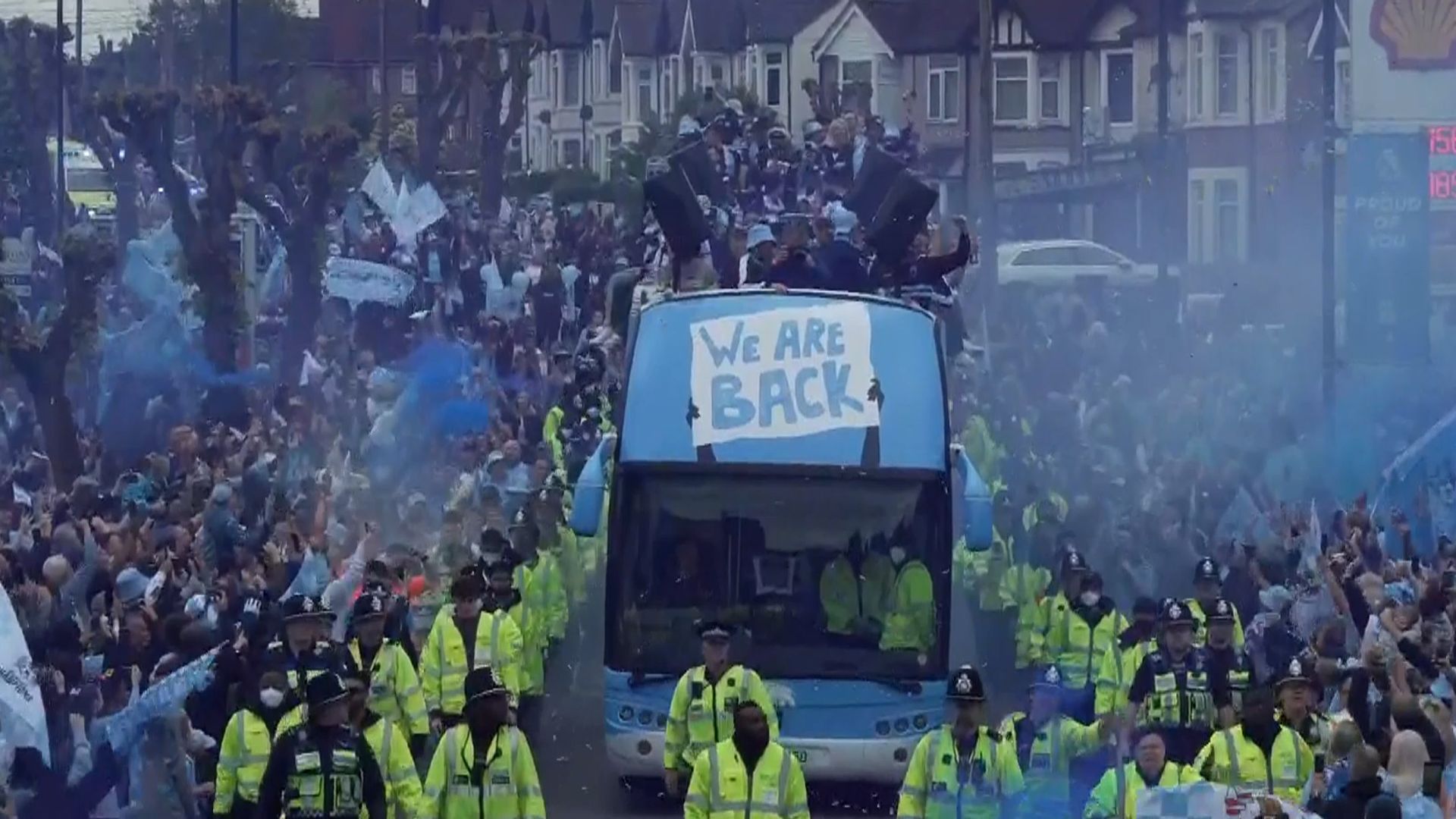
The roar that echoed through the streets of Coventry this week was twenty-five years in the making. For a quarter of a century, the Sky Blues existed as a cautionary tale of how quickly a founding member of the Premier League can be hollowed out by mismanagement, stadium disputes, and the unforgiving gravity of the English Football League. While the headlines focus on the sea of sky-blue shirts and the emotional homecoming to the top flight, the real story lies in the calculated, often painful rebuilding of a club that was nearly liquidated just a few years ago.
Coventry City’s return to the Premier League is not a miracle. It is a case study in survival.
Between 2001 and 2024, the club experienced every possible indignity. They were relegated to the fourth tier. They were forced to play "home" games in Northampton and Birmingham, miles away from their own supporters. They weathered the ownership of hedge funds that seemed more interested in litigation than left-backs. To understand why this promotion matters, you have to look past the trophy lift and into the balance sheets and scouting networks that dragged this institution out of the abyss.
The Engineering of a Modern Ascent
Football fans love the narrative of the "sleeping giant," but giants don't just wake up because someone rings a bell. They have to be reconstructed. The turning point for Coventry wasn't a sudden influx of oil money or a superstar signing. Instead, it was the implementation of a scouting and recruitment model that prioritized high-growth assets over established names.
The club stopped chasing aging veterans looking for a final payday. Instead, they looked for players with "broken" trajectories—talent that had stalled elsewhere but possessed the physical metrics to thrive in a high-intensity system. This approach allowed the club to stay competitive even when they were forced to sell their best players to balance the books. Every departure was viewed not as a tragedy, but as a reinvestment opportunity.
The Stadium Debt and the Ghost of Ricoh
You cannot discuss Coventry City without addressing the brick-and-mortar albatross that nearly killed them. The move from the beloved Highfield Road to the Ricoh Arena (now the Building Society Arena) in 2005 was supposed to signal a new era of prosperity. It did the opposite.
The club found itself trapped in a tenant-landlord relationship that drained matchday revenue and led to a decade of legal warfare. For years, the club didn't even own its own pitch. This lack of infrastructure meant that while rivals were building state-of-the-art training grounds and generating massive non-matchday income, Coventry was bleeding cash just to keep the lights on in temporary offices.
The resolution of these disputes was the true catalyst for promotion. Stability off the pitch finally allowed for stability on it. When a manager knows he won't wake up to news that the club is being evicted, he can actually focus on a three-year tactical plan.
The Tactical Identity of the Underdog
On the pitch, the promotion was won through a stubborn adherence to a specific tactical blueprint. While other clubs in the Championship gambled on "fireman" managers—short-term appointments meant to spark a quick run—Coventry stuck by a philosophy of continuity.
The system relies on a high-press, transition-heavy style that punishes teams trying to play expansive, slow-tempo football. It’s a blue-collar tactic for a blue-collar city. By outrunning and outworking opponents with larger wage bills, Coventry proved that technical superiority can be neutralized by superior conditioning and collective buy-in.
Key Performance Indicators in the Promotion Season
- Expected Goals (xG) Against: The club maintained one of the lowest xG against averages in the league, proving that their defensive structure was not a fluke of luck but a result of disciplined positioning.
- Successful Pressing Actions: They ranked in the top 3% for winning the ball back in the middle third, turning defense into attack in under four seconds.
- Contract Management: No key player entered the final year of their contract without a renewal or a pre-arranged sale price, preventing the "free agent drain" that ruins most promoted sides.
The Financial Reality of the Premier League
Now comes the hard part. The Premier League is a different beast entirely, an ecosystem where the bottom-tier clubs have more spending power than the champions of France or Italy. For Coventry, the temptation will be to spend recklessly to ensure survival. That would be a mistake.
The history of the league is littered with "one-hit wonders" who spent $150 million on mediocre talent, got relegated anyway, and spent the next decade in financial ruin. Coventry’s leadership must resist the urge to abandon the model that got them here. The goal shouldn't be to stay up at all costs; it should be to build a squad that can compete without jeopardizing the club’s existence if they happen to go back down.
A City Reclaiming Its Identity
Coventry is a city that has often felt overlooked in the shadow of Birmingham and the wealth of the South. The football club is the primary vehicle for its civic pride. When the club was exiled, the city lost a piece of its soul. The return to the Premier League isn't just about footballing prestige; it’s about the economic revitalization of the city center and the psychological boost to a fanbase that has been beaten down for a generation.
The fans who traveled to Northampton in protest years ago are the same ones now lining the streets for a victory parade. They aren't just cheering for a win; they are cheering for the fact that their club still exists.
The Danger of the New Horizon
The euphoria will eventually fade, replaced by the grim reality of Tuesday night away games at Anfield or the Etihad. The gulf in quality is vast. Coventry will likely lose more games next season than they have in the last three years combined.
The true test of this "new" Coventry City will not be how they handle the wins, but how they respond to the inevitable string of losses. If the board panics and fires the architects of this revival, they will find themselves right back where they started in 2001.
Sustainability is boring. It doesn't make for great back-page splashes. But sustainability is the only thing that will keep the Sky Blues from becoming another statistics-based tragedy. The club has spent twenty-five years learning how to survive in the wilderness. Now, they have to prove they can survive in the spotlight without burning the house down to keep warm.
The hard work doesn't end with a trophy. It begins the moment the first Premier League invoice arrives. Stay the course, or prepare to disappear for another quarter-century.