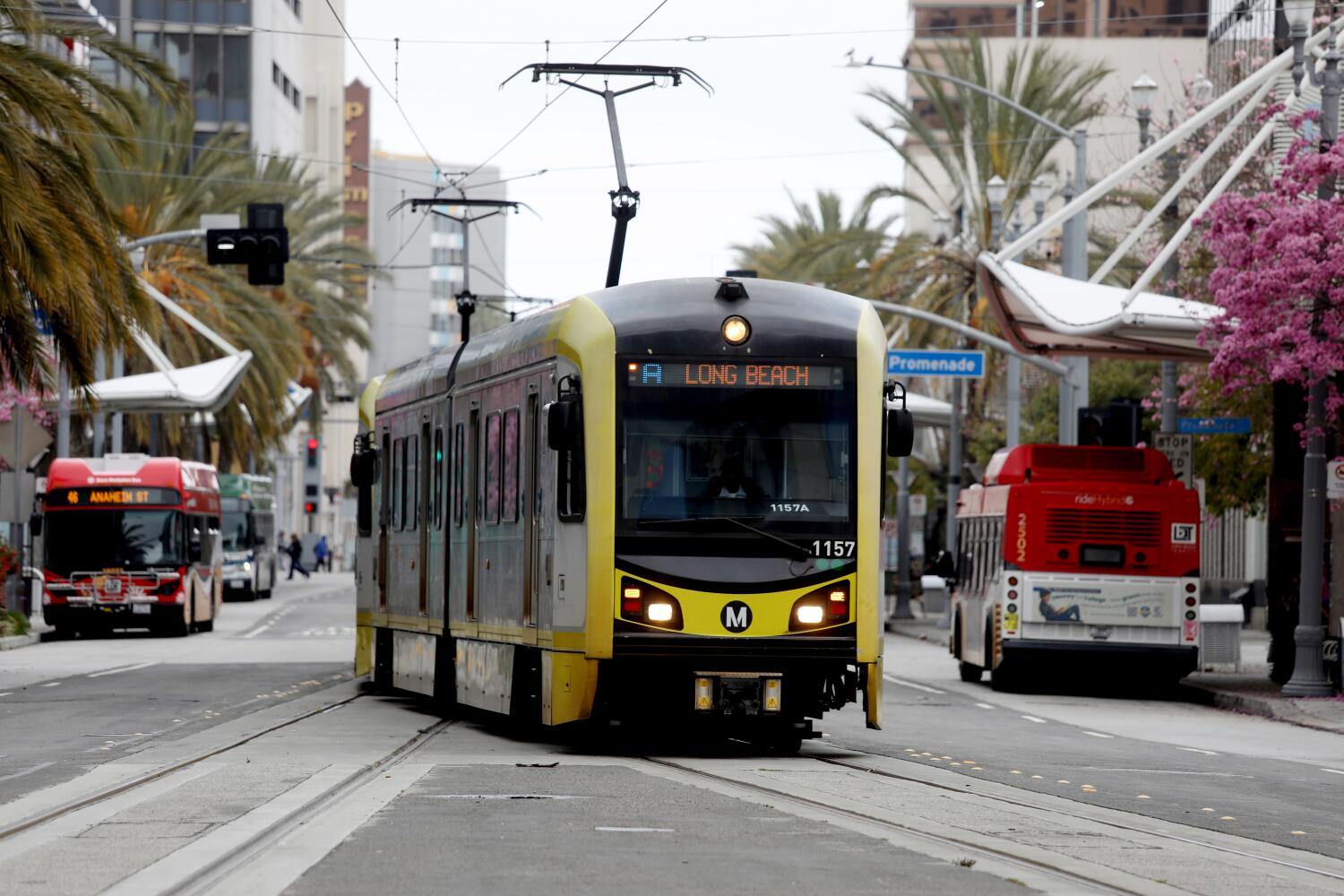
Los Angeles County Metropolitan Transportation Authority (LA Metro) has officially confirmed a significant breach of its data systems, a failure that has left the agency scrambling to restore full functionality weeks after the initial intrusion. This was not a random glitch or a minor server hiccup. It was a targeted infiltration that exposed the fragile underbelly of urban infrastructure. While the agency has remained tight-lipped about the specific nature of the stolen data or the ransom demands, the reality on the ground is clear: one of the largest transit systems in the United States was caught off guard by a sophisticated adversary, and the recovery process is proving to be a grueling marathon rather than a sprint.
The breach primarily compromised administrative and back-office systems, including internal communications and specific databases used for project management. While train and bus operations remained functional—safeguarded by separate, air-gapped legacy controls—the "soft" side of the house was effectively gutted. This includes the systems that contractors use to get paid, the portals employees use to manage benefits, and the digital paper trail that keeps a multi-billion-dollar government entity accountable.
The Architecture of a Public Sector Failure
Public transit agencies are often viewed by cybercriminals as the ultimate "soft target." They manage massive budgets and handle sensitive data for millions of riders, yet they frequently operate on shoestring IT budgets that prioritize keeping buses moving over securing the network. At LA Metro, the crisis reveals a systemic gap between operational technology and information technology.
When an agency is "still getting systems back online" weeks after a hit, it points to a lack of segmented backups. In a well-defended network, an infection in a peripheral department should be contained. It should not bleed into the core. The fact that LA Metro is still rebuilding suggests that the attackers gained deep lateral movement, perhaps sitting undetected in the network for months before pulling the trigger. This is the hallmark of modern extortion. Attackers no longer just encrypt files; they spend weeks mapping the terrain to ensure that when they hit the "off" switch, the victim has no choice but to negotiate or face a total rebuild from bare metal.
Money and Ransom Dynamics
The silence from One Gateway Plaza regarding a ransom demand is standard operating procedure, but it masks a frantic internal debate. For a public agency, paying a ransom is a political nightmare. It involves using taxpayer funds to reward criminal enterprise. However, the alternative—rebuilding an entire enterprise architecture from scratch—is often exponentially more expensive.
We are seeing a trend where the cost of "recovery" includes not just IT consultants at $400 an hour, but also the massive loss of productivity. When engineers cannot access blueprints and planners cannot update schedules, the agency bleeds money. This hidden cost of downtime is exactly what hackers bank on. They know that for every day LA Metro stays offline, the pressure from the Board of Directors and the public increases.
Why Technical Debt is a Security Risk
LA Metro’s predicament is a direct result of technical debt. This is the practice of delaying necessary software updates and hardware refreshes in favor of immediate operational needs. Over time, this debt accrues interest in the form of vulnerabilities.
Many public agencies rely on "Frankenstein" systems—modern web interfaces layered over 20-year-old databases. These hybrid environments are notoriously difficult to monitor. A single unpatched VPN gateway or a forgotten administrative account with a weak password is all it takes. Once inside, an attacker can exploit the seams between the new and the old. The delay in restoration suggests that the agency’s "new" systems were more dependent on the "old" compromised ones than anyone realized.
The Data Sovereignty Problem
One of the most alarming aspects of this breach is the potential compromise of rider or employee data. While LA Metro claims no evidence suggests rider payment info was taken, "no evidence" is a carefully chosen legal phrase. It means they haven't seen it yet, not that it didn't happen.
The TAP card system, which handles millions of transactions, is a goldmine for identity thieves. Even if the financial data is encrypted, the metadata—where people go, when they travel, and who they are—is incredibly valuable for social engineering attacks. If a state-sponsored actor or a high-level criminal syndicate has mapped the movement patterns of LA County employees, the implications go far beyond a simple credit card fraud.
The Myth of the Quick Fix
The public expects digital systems to reboot like a laptop. That is not how enterprise infrastructure works. When a network is compromised, you cannot simply "clean" it. You have to assume every single machine, every virtual server, and every router is tainted.
Recovery involves a painstaking process:
- Forensic Imaging: Copying every compromised drive to find the "patient zero" entry point.
- Clean Room Rebuilds: Setting up entirely new servers in an isolated environment.
- Data Scrubbing: Moving data back from backups while ensuring no malware "seeds" are hidden in the files.
- Credential Resets: Changing every password for every employee and service account simultaneously.
If you rush any of these steps, the attackers simply use a backdoor they left behind to re-infect the system. This is why LA Metro is taking weeks. They aren't just fixing a bug; they are performing surgery on a moving target.
Beyond the Perimeter
The LA Metro hack should be a wake-up call for every transit authority in the country. The "perimeter" is dead. The old strategy of building a big firewall and assuming everything inside is safe is a relic of the 1990s.
True resilience requires a Zero Trust framework. In this model, the network assumes every user and every device is a threat until proven otherwise. It requires constant authentication. If LA Metro had implemented strict micro-segmentation, the breach in their administrative offices would never have touched the systems responsible for coordinating the fleet.
The Accountability Gap
There is a glaring lack of transparency in how public agencies report these incidents. LA Metro's communications have been sparse, favoring "operational updates" over technical honesty. This creates a vacuum filled by speculation.
The Board of Directors, many of whom are elected officials, must answer why the agency’s cybersecurity posture was insufficient to prevent a prolonged outage. Was the CISO (Chief Information Security Officer) given the budget they requested? Or was that money diverted to aesthetic station upgrades? Infrastructure isn't just concrete and steel anymore; it’s code. If you don't maintain the code, the concrete doesn't matter.
Shadow IT and the Human Element
Investigation into similar municipal hacks often reveals that the entry point wasn't a "super hacker" bypassing a firewall. It was an employee using an unauthorized Dropbox account to bypass a clunky internal system, or a contractor using a personal laptop on the agency’s Wi-Fi.
This "Shadow IT" is the bane of security professionals. When the official tools are too slow or difficult to use, workers find workarounds. These workarounds are almost always insecure. LA Metro’s struggle to get systems back online suggests they are finding these "rogue" connections during the cleanup process—a discovery that likely expanded the scope of the breach significantly.
Future-Proofing the Transit Grid
To prevent a recurrence, LA Metro needs more than just a new antivirus subscription. They need a fundamental shift in how they view digital assets.
They must move toward Immutable Backups. These are data copies that cannot be changed or deleted, even by an administrator. If a hacker gains full control of the network, they still cannot touch the immutable backup. This allows for a "push-button" recovery that bypasses the need to negotiate with criminals. Without this, the agency remains a hostage to its own data.
The Cost of Silence
By downplaying the severity of the hack and the time required for recovery, LA Metro risks losing the public's trust. People can handle a service outage; they cannot handle the feeling that their government is hiding the extent of a security failure.
The agency needs to release a full post-mortem once the systems are stable. This report should detail the entry point, the lateral movement of the attackers, and the specific failures in the incident response plan. Anything less is a disservice to the taxpayers who fund the agency and the riders who depend on it.
The clock is ticking on the next attack. The hackers who hit LA Metro have already proven that the city’s infrastructure is vulnerable. Other groups are watching. They are looking for the same unpatched servers, the same lax credential policies, and the same slow response times. LA Metro’s recovery is not just about getting the lights back on; it’s about proving that the city cannot be held for ransom indefinitely.
Total system isolation is the only way forward. Stop treating the network as a single entity and start treating it as a collection of high-security islands that only speak to each other when absolutely necessary. Eliminate the "administrative" pass-through that allowed this breach to spread. Until the agency treats its data with the same life-safety rigor as its rail signals, it remains a target.