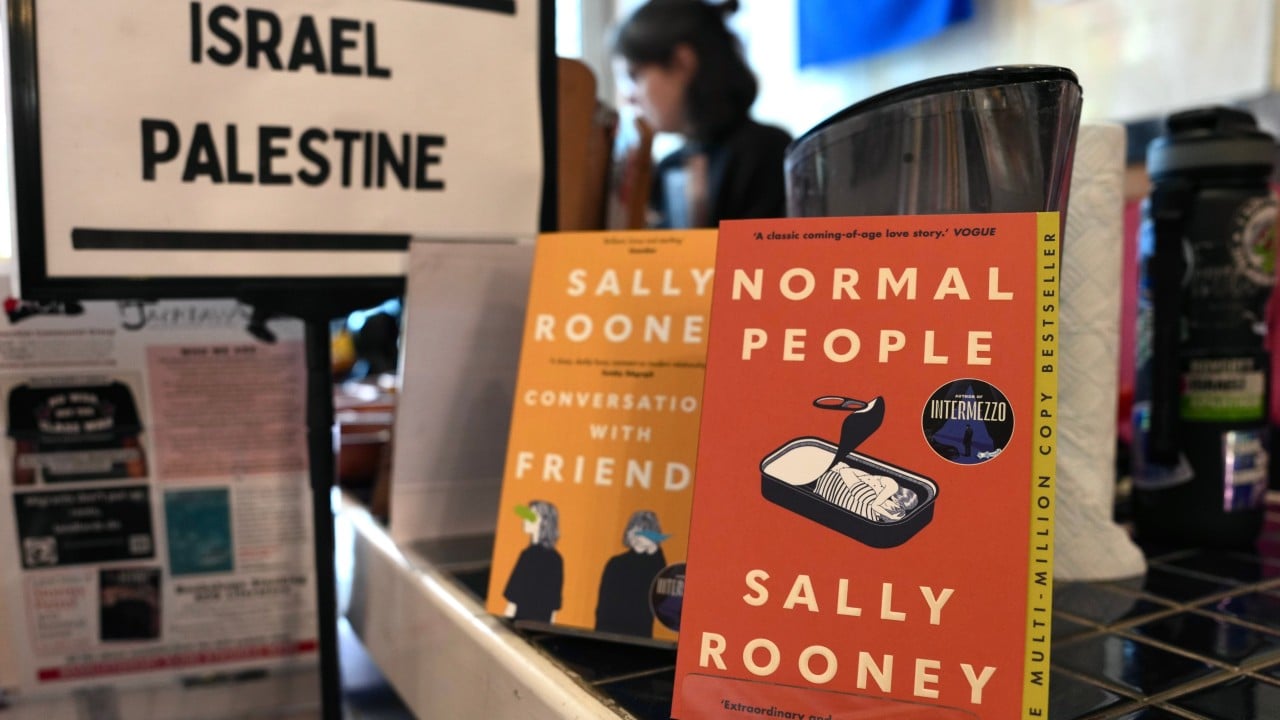
Call it a literary standoff or a legal farce, because Britain turning Sally Rooney into a flashpoint over pro-Palestinian activism makes Westminster look like a laughing stock. In October 2026, Rooney's publisher Faber announced it could no longer supply her books in the UK after she pledged to use proceeds from her work to support Palestine Action, a direct-action group proscribed under British terrorism laws. Books are vanishing from British shelves, counterterrorism rules are colliding with publishing contracts, and a global bestseller has become a test case for how far state power can stretch.
Here's the twist that trips people up right away: the British government didn't slap a classic "banned book" decree on Normal People or Intermezzo. Instead, proscription law turned routine commercial distribution into a legal minefield once Rooney stated she intended to direct earnings toward Palestine Action. That distinction matters. It's messy, it's bureaucratic, and honestly, it's a PR disaster for a country that prides itself on free expression.
How Britain Turned Sally Rooney Into a Laughing Stock
When a major international novelist pulls her catalog from British supply because fulfilling publishing contracts could trigger serious criminal exposure, outsiders don't see careful counterterrorism policy. They see a comedy of errors with sharp teeth. Reports from The Guardian and TIME show how quickly the standoff escalated in October 2026: Faber stopped supplying Rooney's books in any format in the UK, Rooney had already stepped back from UK appearances over arrest fears, and independent booksellers scrambled to grab remaining stock before supply dried up.
Watch how fast the optics sour. A government applies broad counterterrorism proscription to a protest group known for targeting defense-linked facilities, and suddenly the headlines are about novelists, independent bookshops, and literary festivals. Satire writes itself at that point. Critics argue that sweeping proscription blurs the line between violent terrorism and disruptive political protest, leaving publishers and readers caught in the crossfire.
Supporters of the crackdown see it differently. Organizations like the Campaign Against Antisemitism have argued that Rooney can't simply bypass legal boundaries while backing a proscribed group, noting that counterterrorism law applies regardless of literary fame. That's the real friction here. Two immovable positions colliding inside a legal framework designed for national security, not book royalties.
Legal Mechanics Behind the UK Book Pullout
If you've worked around publishing contracts or compliance rules, you know how quickly gray areas freeze business operations. Publishers don't want to gamble executives' or companies' legal standing on ambiguous financial flows. As reported by CBS News and The National, Rooney had publicly stated in August 2025 that she intended to use proceeds from her work to support Palestine Action, and Faber later stated it could not pass on UK earnings to her.
Even if a reader walks into a shop holding a copy already sitting in inventory, the commercial pipeline breaks down once distribution stops. Let's be real:
- Funding vs. text: The dispute centers on financial support and proscription rules rather than a literary censorship board banning specific sentences.
- Supply chain choke: Once a publisher halts UK supply, restocking becomes a headache for independent booksellers who rely on steady wholesale channels.
- Chilling effect: Writers, editors, and event organizers start asking where lawful speech ends and criminal risk begins.
What People Get Wrong About the Ban
Plenty of hot takes online treat this like a straight-up medieval book burning. That misses what actually happened. Nobody woke up and declared Rooney's fiction illegal to read in a vacuum.
What happened is more revealing about modern statecraft. Proscription under UK terrorism legislation carries sweeping restrictions on funding, support, and association, and when a high-profile writer ties book proceeds directly to a proscribed group, standard publishing mechanics hit a wall. You don't need a ministry of censorship when compliance liability does the heavy lifting for you.
Another misconception is that this only affects one celebrity author. It doesn't. High-profile disputes like this test the outer edges of protest law, corporate risk tolerance, and public trust in institutions. When ordinary citizens, artists, or activists feel that broad terror laws sweep up political dissent, credibility takes a hit—even among people who have zero sympathy for property damage or direct action.
Why This Standoff Hurts Britain Beyond Bookstores
A country's global reputation isn't built solely on treaties and GDP. It's built on perceived competence and proportion. When Britain looks heavy-handed or incoherent over a novelist's book sales, rivals and critics around the world point to it as proof of democratic backsliding or overreach.
At the same time, ignoring genuine security and law-and-order questions isn't smart either. Palestine Action's campaigns against facilities linked to defense suppliers—such as Elbit Systems UK—have been central to the government's rationale for proscription, while supporters of the group argue its actions target arms supply chains rather than civilians. Both sides treat the stakes as moral and urgent, which is why the middle ground feels so thin right now.
From a practical standpoint, if you follow media freedom, UK politics, or international publishing, don't rely on viral memes or one-line summaries. Read primary reporting, check court challenges and parliamentary debates around proscription rules, and pay attention to how booksellers and publishers navigate compliance without abandoning public discourse. If you care about free expression or sensible security policy, push for clear legal lines that separate genuine violent threats from political speech and funding rules that don't turn bookstores into collateral damage.
The Guardian coverage of Sally Rooney UK book withdrawal
Sally Rooney's books no longer sold in UK over support for banned group
This video report summarizes how Rooney's pledge to direct book proceeds to Palestine Action led to the halt of her UK book sales and highlights the core legal clash behind the controversy.