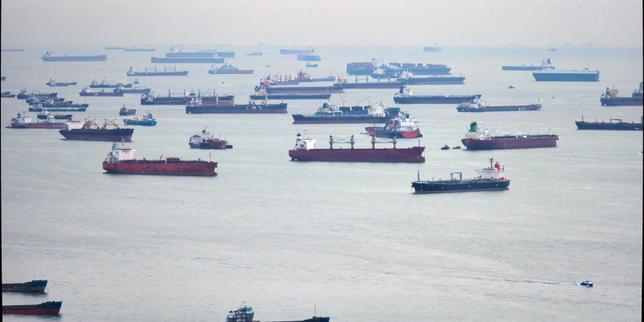
Energy markets live on edge. Whenever tanker movement through the Strait of Hormuz dips, trading floors react instantly. Brent crude hovering above the psychological 100-dollar mark isn't a random accident of the calendar. It reflects a nervous reality where physical transit bottlenecks collide directly with high geopolitical stakes. If you've been wondering why energy bills refuse to drop despite shifting production forecasts, you have to look straight at the narrow maritime chokepoint connecting the Persian Gulf to the open ocean.
The Real Price of Chokepoint Panic
When traffic drops to multi-month lows inside the Strait of Hormuz, the market does not wait for barrels to actually vanish from storage tanks. Traders price in the worst-case scenario immediately. Over twenty percent of the world's petroleum consumption passes through this narrow corridor. When security risks mount and shipowners hesitate to send vessels through volatile waters, freight rates spike and insurance underwriters rewrite their terms overnight. If you found value in this post, you might want to look at: this related article.
You see an immediate disconnect between theoretical global supply surpluses and the physical reality of getting crude onto a ship. Cargo owners face massive premiums. Refineries in Asia and Europe suddenly scramble for spot cargoes, driving spot pricing higher. The headline figure of Brent staying elevated tells a simple story. Traders don't trust stability when naval patrols and regional threats remain standard daily headlines.
Why Pipeline Rerouting Only Fixes Half the Problem
Optimists always point to bypass pipelines as the ultimate safety valve. Saudi Arabia and the United Arab Emirates invested billions into overland transit routes designed to move crude past the strait entirely. Yet, these alternative paths have hard capacity limits. They cannot absorb every barrel normally loaded onto supertankers at Gulf terminals. For another look on this development, check out the recent update from Reuters Business.
Relying on pipelines shifts logistical pressure rather than eliminating it. Pumping stations become targets, maintenance requirements rise, and operational costs climb. When militant groups or regional skirmishes threaten overland pumping infrastructure alongside maritime lanes, the market loses its primary backup plan. That's why pipeline capacity reports fail to calm jittery traders.
Spot Market Realities Versus Paper Barrels
Paper markets trading on futures exchanges often disconnect from physical cargoes during geopolitical crises. Financial funds trade headlines about diplomatic talks, but physical operators deal with actual insurance denials and detained vessels. When tanker counts drop to a two-month low, physical buyers pay whatever it takes to secure physical crude barrels for immediate refining.
This creates a split market. Paper prices might dip for a few hours on optimistic news, but physical crude premiums stay stubbornly high. Refineries cannot run hydrotreaters on futures contracts; they need actual sweet and sour crude grades delivered to their docks. As long as physical transit remains restricted by security threats, the underlying price floor for Brent remains rock solid.
What to Watch Next in Global Energy
Stop listening to vague predictions about long-term demand destruction or distant supply gluts. Pay attention to daily tanker tracking data, insurance surcharges for Gulf voyages, and the real-time operational status of regional export terminals. Energy volatility is here to stay, driven by the fragile geography of a few miles of water. Keep your positions hedged, watch the physical flow data instead of the noise, and prepare for a market that responds instantly to every headline coming out of the Gulf.