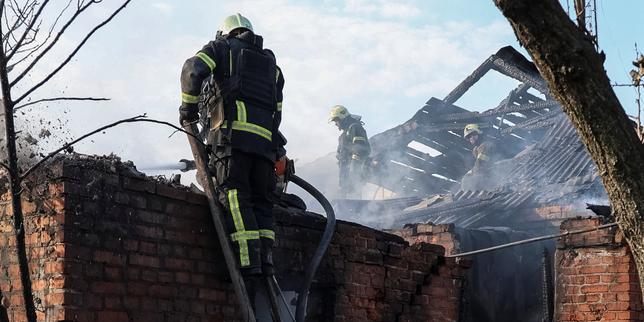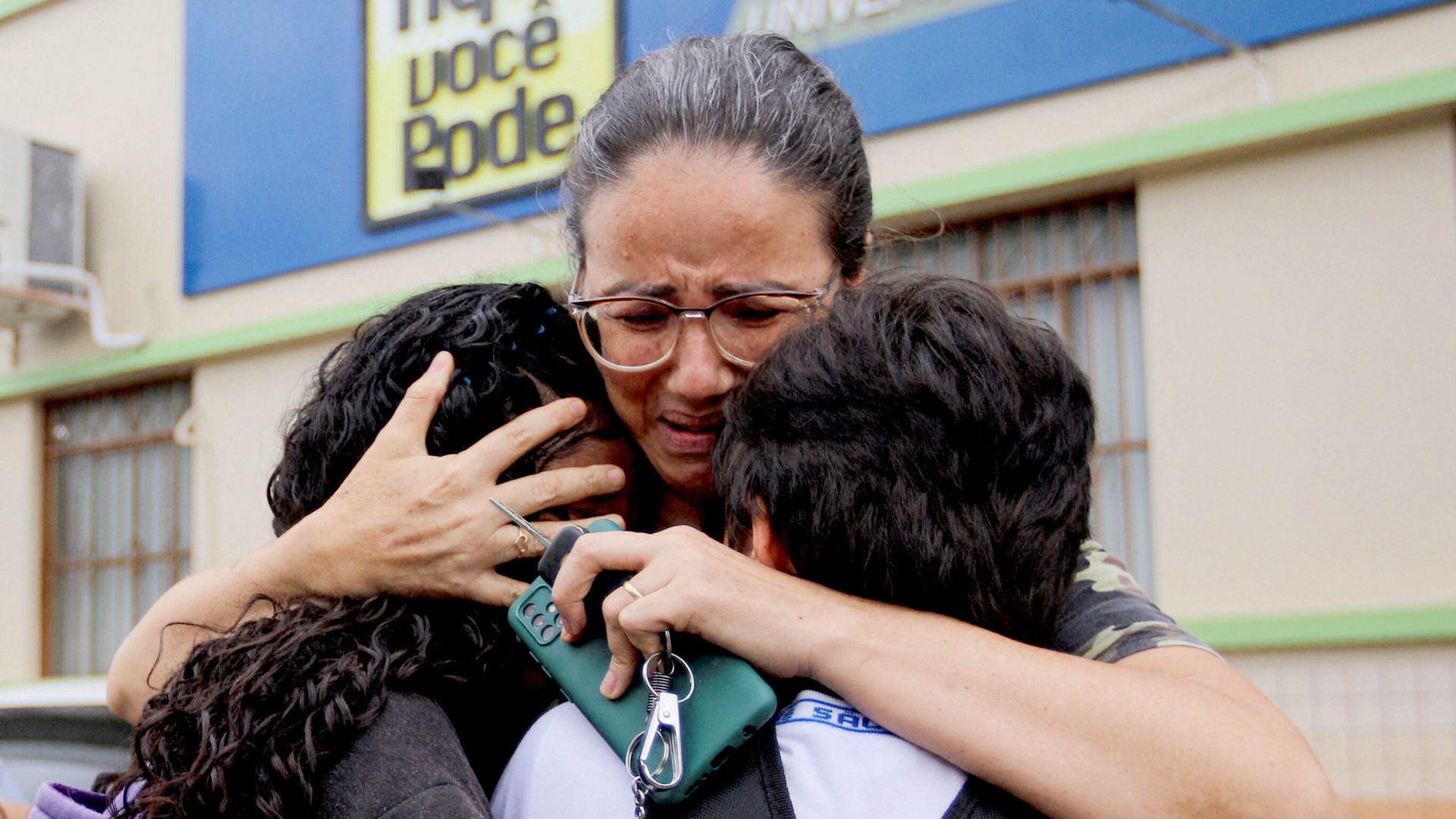
The siren wail cutting through the humid air of Sapopemba wasn’t just an alarm for a single neighborhood in São Paulo. It was a signal of a systemic collapse. When a 15-year-old student walked into Sapopemba State School and opened fire, killing one classmate and wounding three others, the immediate reaction followed a weary, predictable script. Arrests were made, candles were lit, and politicians offered the usual cocktail of "thoughts and prayers" mixed with promises of increased police presence. But the tragedy in Sapopemba, occurring just months after a similar horror in Cambé and another in a traditional school in the heart of São Paulo, reveals a nation losing its grip on the safety of its youngest citizens.
Brazil is currently grappling with a surge in school violence that defies the country's historical patterns. For decades, the primary threat to Brazilian youth was external—street crime, police intervention, or drug-related turf wars. Now, the threat is internal. The killers are classmates. The weapons are often legally owned by family members, and the motivation is frequently brewed in the toxic subcultures of the internet. We are witnessing the "Americanization" of Brazilian school violence, a trend that the current administration and local governments are struggling to contain with outdated methods.
The Myth of the Isolated Incident
Every time a teenager is led away in handcuffs from a crime scene, the narrative of the "lone wolf" begins to circulate. It is a comforting lie. Calling a perpetrator a lone wolf implies that there is no pack, no trail, and no way to have seen it coming. The reality is far more clinical and much more terrifying. These events are the final step in a long, visible process of radicalization and social isolation.
In the Sapopemba case, as with the others that preceded it, the suspect didn't wake up one morning and decide to destroy lives on a whim. There is almost always a digital footprint—a trail of breadcrumbs left on forums and encrypted messaging apps where violence is not just discussed but deified. These young men, often victims of bullying or social rejection themselves, find a perverse sense of belonging in online communities that celebrate past school shooters as "saints."
The Brazilian intelligence services are playing a permanent game of catch-up. Monitoring these "chan" boards and Discord servers is an exhausting task, and by the time a threat is specific enough to warrant an arrest, the psychological fuse has often already been lit. The failure isn't just in the lack of digital surveillance; it is in the total absence of early-intervention mental health resources within the public school system.
The Gun Reform Paradox
You cannot talk about the rise of school shootings in Brazil without addressing the sudden influx of firearms into civilian hands. Between 2018 and 2022, the number of registered gun owners in Brazil (CACs - Hunters, Marksmen, and Collectors) skyrocketed. The previous administration’s push to "arm the good guys" resulted in a massive injection of high-caliber weaponry into residential homes.
The math is simple and brutal. More guns in homes means more opportunities for a disgruntled, impulsive teenager to find a key to a safe or a weapon hidden in a nightstand. In several recent Brazilian school attacks, the firearm used belonged to a parent or a relative who was a legal gun owner.
While the current government has moved to tighten these regulations and "buy back" the surplus of violence, the genie is already out of the bottle. Tens of thousands of firearms remain unaccounted for or are stored in homes where the primary security measure is a simple plastic lock. We are seeing a direct correlation between the easing of gun laws and the lethality of school-based incidents. A knife attack is a tragedy; a semi-automatic weapon in a hallway is a massacre.
The Failure of the Fortress Model
The immediate response from many state governors has been to turn schools into fortresses. They talk about metal detectors, armed guards at the gates, and high-resolution surveillance cameras. This is a business opportunity for security firms, but it is a catastrophic failure of educational policy.
Schools that look like prisons eventually start to feel like them. When we treat every student as a potential suspect, we erode the very trust required to identify the students who are actually in crisis. Metal detectors didn't stop the violence in the United States, and they won't stop it in Brazil. A determined attacker will simply wait for the moment students are entering the building, or they will find a side door, or they will strike during physical education classes in the yard.
Moreover, the "police in schools" model ignores the psychological weight placed on the student body. In neighborhoods already suffering from high levels of police violence, the presence of armed officers in the hallways doesn't create a sense of safety—it creates a state of permanent anxiety. True security comes from social integration, not from more gunpowder at the entrance.
The Digital Echo Chamber
We must confront the role of the algorithm. Social media platforms have created a feedback loop that rewards the most extreme behavior. When a shooting happens, the media—ourselves included—often inadvertently contributes to the "contagion effect." We publish the names, we show the manifestos, and we analyze the shooter's life as if it were a tragic biopic.
For a teenager who feels invisible, this level of national attention is the ultimate prize. They see the coverage and realize that for the price of a few bullets, they can finally be "someone." The Brazilian Ministry of Justice has recently begun to pressure platforms like X (formerly Twitter) and Telegram to remove content that glorifies school attacks, but the enforcement is inconsistent. The platforms argue about free speech while children are buried.
The responsibility also lies with the family unit, which has been shattered by economic instability and the digital divide. Many parents in Brazil's working-class suburbs are working two or three jobs. They aren't "negligent" by choice; they are absent by necessity. This leaves a vacuum that the internet is more than happy to fill with misogyny, racism, and a cult of death.
Rethinking the Response
If the goal is to actually save lives rather than just win the next news cycle, the approach must shift toward Threat Assessment Teams. This is a model used successfully in parts of Europe and North America, where teachers, psychologists, and social workers collaborate to identify students showing signs of "leakage"—the tendency to tell others about their violent plans before acting on them.
Currently, Brazilian teachers are overworked and underpaid. Expecting them to also act as amateur profilers is a bridge too far. There needs to be a dedicated professional presence in schools that isn't carrying a sidearm. We need "Active Listening" programs where students can report concerning behavior by their peers without the fear of being labeled a snitch or triggering a heavy-handed police raid.
We also have to address the "why" of the anger. Much of the recent violence is rooted in a specific brand of radicalized masculinity. The shooters are almost exclusively male, and their targets are often women or those they perceive as "weaker." This isn't a coincidence. It is the result of a culture that is increasingly hostile to diversity and inclusive education. When we strip "social issues" out of the curriculum to appease conservative political blocs, we lose the tools to teach empathy and conflict resolution.
The Cost of Inaction
The blood on the floor of the Sapopemba school will eventually be scrubbed away. The headlines will fade. The politicians will move on to the next crisis. But the trauma remains, vibrating through the lives of the survivors and the families of the dead.
Every time we fail to address the root causes—the easy access to guns, the lack of mental health support, and the radicalization of young men online—we are essentially deciding that a certain number of dead children is an acceptable price to pay for our current social structure. It is a choice. We are choosing this reality every day that we prioritize "security theater" over genuine social reform.
The next attacker is likely sitting in a classroom right now. He is probably posting on a forum. He might be looking at his father's gun cabinet. We can either invest in the resources to find him and help him before he pulls the trigger, or we can keep buying metal detectors and pretending we didn't see this coming.
Stop looking at the arrests and start looking at the gaps in the system that let these kids fall through in the first place. The problem isn't just a 15-year-old with a gun; it’s a society that gave him the weapon and the reason to use it.