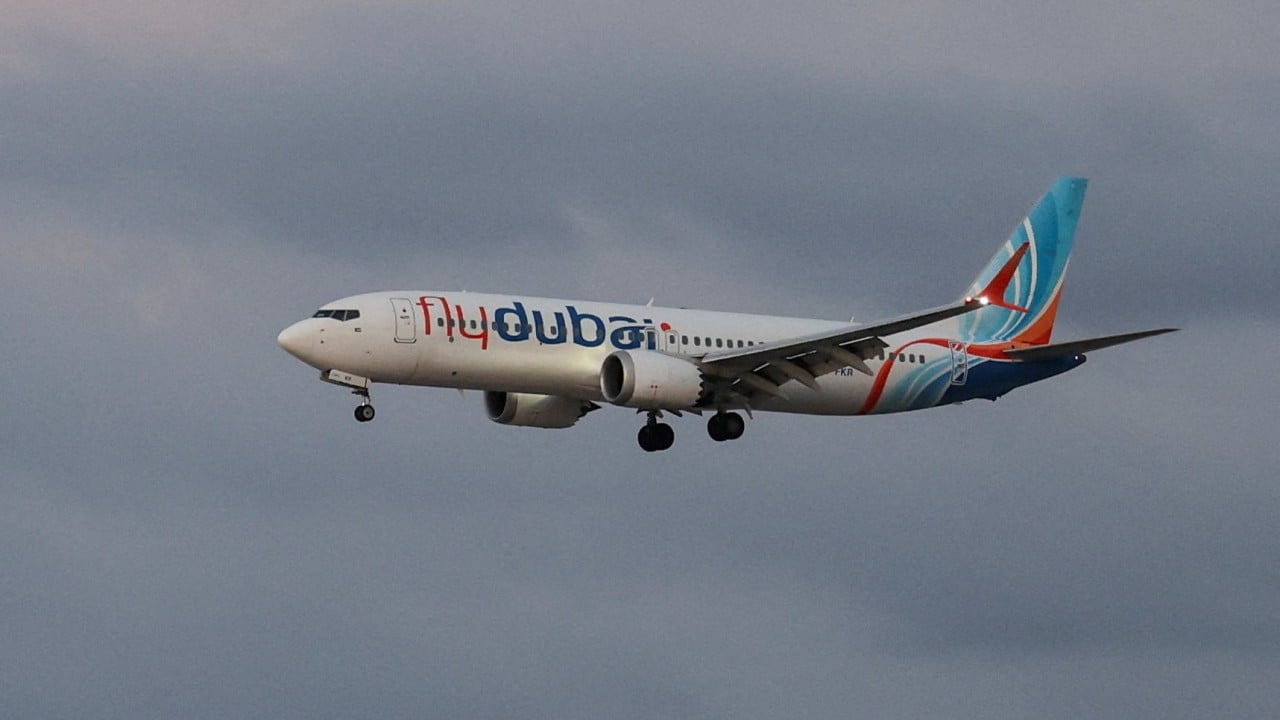
Commercial aviation operates on an unyielding premise of absolute trust behind a locked door. When Hamam al-Hammami, a first officer flying for budget carrier Flydubai, allegedly launched a violent assault on his captain with a crash axe mid-flight on a route toward Tel Aviv, that foundational trust fractured. Aviation security protocols have long obsessed over passengers in the cabin, metal detectors, and shoe scans. Yet, the real systemic vulnerability resided on the flight deck itself. Months before he sat in a Flydubai cockpit, Omani authorities had already flagged al-Hammami for extremist leanings, quietly stripping him of his flight status and moving him to a desk job.
How a flagged aviator migrated across international borders and regional carriers to secure employment in a modern commercial cockpit exposes a glaring fracture in global aviation vetting.
The mechanics of airline background checks are surprisingly fragmented. When an air carrier screens a pilot applicant, the primary focus centers on criminal records, flight hours verification, and valid licensing. Cross-border intelligence sharing regarding radicalization or ideological shifts remains opaque and heavily guarded. Intelligence agencies operate behind national firewalls, rarely sharing low-level or suspected extremist profiling with commercial human resources departments. Oman Air handled the initial internal threat appropriately by grounding al-Hammami and shifting him to administrative duties once surveillance or internal reports flagged his online activity.
However, because no formal criminal conviction or international terrorism indictment existed at that stage, his professional record remained clean enough to permit resignation and subsequent re-hiring elsewhere.
This procedural loophole highlights a broader crisis in aviation safety management systems. In any industry governed by strict compliance, standard operating procedures assume that a licensed professional holding an ATP certificate is psychologically stable. Psychological evaluations during initial hiring often rely on static self-reporting questionnaires rather than dynamic behavioral monitoring. Radicalization is rarely an overnight event; it is a gradual ideological drift manifested through digital footprints, suppressed social circles, and isolated behavioral shifts. When a pilot deletes social media profiles immediately prior to executing an operation, it signals a premeditated break from reality that routine background algorithms failed to catch.
The incident also places intense scrutiny on regional labor mobility within the Middle East aviation market. Rapid airline expansion across the Gulf has historically driven high demand for qualified cockpit crew, occasionally accelerating the recruitment pipeline. While major legacy carriers maintain exhaustive internal security vetting units, fast-growing regional networks face immense logistical pressures when processing international applicants. Verifying employment gaps or subtle disciplinary actions taken by a neighboring country's national carrier depends entirely on voluntary disclosure or informal bilateral intelligence sharing. If an airline treats a resignation letter at face value without querying previous employers on the exact reasons for a ground-duty reassignment, institutional blind spots widen.
Insulating commercial aviation from insider threats requires a radical re-engineering of how crew security is managed. Relying on post-incident investigations is an expensive way to learn lessons that should have been codified decades ago. Security analysts have long argued for mandatory continuous vetting programs that mirror financial compliance systems, where credentials and risk indicators are monitored on an ongoing basis rather than checked exclusively at the point of hire.
The cockpit door was originally reinforced to keep external actors out. It was never designed to lock the flight crew in with an active threat. Until international aviation authorities establish a unified, cross-border database for behavioral risk flags that transcends corporate and national boundaries, the safety of hundreds of passengers remains dependent entirely on the physical endurance and quick thinking of a surviving captain.