Every time a tragic shooting punctures the electronic music scene, the media rolls out a predictable, intellectually bankrupt script. The headlines scream about danger at underground parties, pearl-clutchers demand stricter perimeter policing, and politicians dust off moral panics left over from the nineteen-nineties.
The lazy consensus says rave culture is breeding grounds for instability. The reality is far more uncomfortable for bureaucrats who rely on easy scapegoats: electronic music spaces are among the most heavily regulated, community-policed micro-societies on earth, and isolated acts of gun violence reflect a broader societal decay that no amount of private security can gatekeep away.
The Mirage of Perimeter Safety
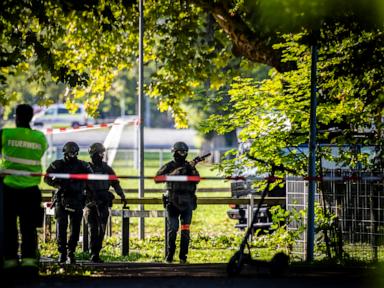
When a gunman opened fire at a Swiss warehouse rave leaving one dead, the immediate reflex from local authorities and tabloid writers alike pointed fingers at the venue, the promoters, and the underground nature of the gathering.
Security theater is a trillion-dollar pacifier.
We pretend that metal detectors, pat-downs, and barricades solve human malice. They do not. They merely create massive bottlenecks outside venues, turning dense crowds into stationary targets. I have spent two decades walking through back-of-house operations at massive festivals across Europe and North America. I have watched millions of dollars burn on perimeter security that could be bypassed by anyone with a crowbar or a sympathetic insider.
Focusing on the venue type misses the diagnostic mark entirely. The weapon didn't manifest because the bass was heavy or the lights were strobing. It manifested because a violent individual brought a tool designed for one purpose into a space meant for connection. Blaming the rave for a shooting is like blaming a highway for a drunk driver.
The Myth of Lawless Subcultures
Outsiders love to paint underground electronic music scenes as lawless lawlands where anything goes. This is fundamentally false.
True underground spaces survive on radical accountability.
Unlike corporate arenas where passive crowds expect stadium staff to manage safety, rave culture pioneered the concept of peer-to-peer harm reduction. Organizations like DanceSafe and local guardian crews have spent decades teaching crowds how to watch out for each other, manage medical emergencies, and de-escalate volatile situations long before security or police arrive.
When an incident like the Swiss shooting happens, it cuts deep precisely because it violates the foundational social contract of the room. These spaces are explicitly designed as an escape from the hostile realities of the outside world. Treating them like criminal enterprises because of a criminal's actions rewards the perpetrators by destroying the very sanctuaries people rely on.
The Real Fix Nobody Wants to Discuss
If we actually care about stopping violence at nightlife events, we have to stop treating security as a bouncer problem and start treating it as a cultural failure.
Prohibitive ticket pricing, aggressive zero-tolerance drug policies that force people to consume dangerous substances in secret, and the criminalization of safe spaces push vulnerable people to the margins. When you squeeze the legal, community-led underground, you do not eradicate nightlife—you drive it into unregulated, unmonitored shadows where accountability evaporates.
Real safety looks like community trust, not armed checkpoints.
We need to invest in cultural infrastructure, mental health access, and peer-led intervention programs that actually understand the psychology of crowds. Stop tightening the chokehold on promoters who are trying to build safe containers for self-expression.
The next time tragedy strikes a dancefloor, stop looking at the genre of music. Look at the culture that failed to keep guns out of the hands of the broken.