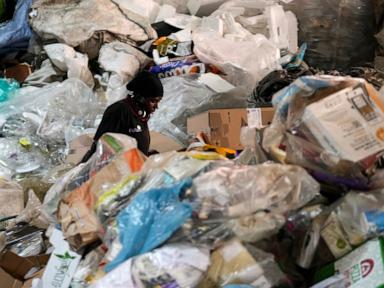
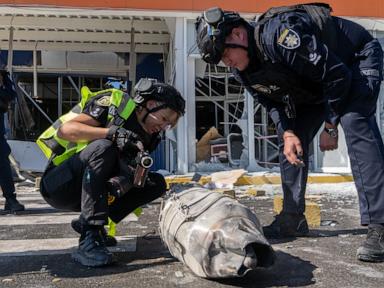
Whenever thirty-three bodies show up inside a state-run holding facility, the official playbook writes itself. Officials step in front of microphones, furrow their brows, and mutter about disease outbreaks, overcrowding, and sudden medical emergencies. It is a neat, sterile narrative designed to sanitize institutional failure and absolve the people holding the keys.
We are expected to nod along with the diagnosis of convenience. We are told that poor sanitation and rapid-onset illness are to blame for dozens of young men dying under state watch in Nigeria. Discover more on a similar issue: this related article.
I call bullshit.
If you have spent any time tracking resource extraction economies across West Africa, you know that sudden deaths in custody rarely start with a pathogen. They start with systemic decay, deliberate starvation, systemic extortion, and infrastructure that treats human beings as disposable inventory. When illegal mining suspects are rounded up in remote provinces, they do not enter a holding cell; they enter a black box of unaccountability. Further journalism by TIME explores similar perspectives on this issue.
The Lazy Consensus of Institutional Pathogens
The immediate rush to blame natural causes is a defensive reflex. It shifts the burden of guilt from active malice or gross negligence to passive biology. After all, nobody can arrest a bacterium.
Consider how these roundups operate. Military and paramilitary units sweep through informal artisanal mining camps. These are unregulated pits where gold, lithium, or tantalite are scraped from the earth under brutal conditions. When the state conducts a mass arrest, hundreds of men are crammed into transport vehicles built for a fraction of that load, held in archaic colonial-era lockups with zero ventilation, and forgotten for days.
When detainees start dying, autopsies or hurried burial orders point to heat stroke, dehydration, or infectious disease. But attributing those deaths purely to illness ignores the active choices that created the petri dish in the first place. You do not catch a fatal disease simply by existing in a cell. You succumb when guards deny water as a disciplinary measure, when food budgets are siphoned into private pockets, and when medical attention is treated as a luxury reserved for those who can pay a bribe.
Following the Money Down the Shaft
To understand why thirty-three men ended up dead in custody, you have to look past the prison walls and examine the political economy of the mines they were dragged out of.
Informal mining in regions like Zamfara, Niger, and Osun is not just a bunch of desperate peasants with hand shovels. It is a multi-million-dollar shadow economy protected by a fragile cartel network involving local chiefs, transnational brokers, and armed security detachments. When an artisanal site is raided, it is rarely because the state suddenly discovered an appetite for environmental conservation or legal compliance. It is usually because a protection racket broke down, a turf war flared up, or a higher-ranking official wanted to squeeze a different faction for revenue.
The miners caught in the dragnet are the bottom tier of this ecosystem. They are the expendable muscle. Once inside a detention facility, they possess zero leverage. They have no access to legal counsel, no family members who can easily navigate the bureaucratic labyrinth of provincial jails, and no visibility.
When international human rights groups demand transparency, they are met with a wall of administrative silence. Officials stall investigations for months, knowing that media cycles are short and public outrage has a strict expiration date. By the time an independent inquiry manages to secure access, the physical evidence has been washed away, and the official narrative has hardened into institutional dogma.
The Mechanics of Custodial Neglect
Let us dismantle the medical alibi with cold logistics.
A holding cell designed for twenty people cannot safely house two hundred. That is not a mystery of epidemiology; it is basic math. When overcrowding reaches critical mass, oxygen levels plummet, carbon dioxide builds up, skin infections spread rapidly, and underlying vulnerabilities turn lethal within forty-eight hours.
Add tropical ambient temperatures and the complete absence of potable water, and you have built a slow-motion execution chamber.
[Mass Arrest] ➔ [Overcrowded Transport] ➔ [Denial of Resources] ➔ [Systemic Collapse] ➔ [Official Alibi: Disease]
When an official claims that disease took thirty-three lives in a single sweep, they are describing the symptoms of administrative murder while dressing it up as a health crisis. The disease did not materialize out of thin air. It was cultivated by active neglect. It thrives where accountability is absent.
The Complicity of Silence
Why does this keep happening? Because the public narrative is broken.
Every time a mass casualty event occurs in detention, the response follows a predictable arc of rhetorical exhaustion. Headlines flash for forty-eight hours. Outraged op-eds demand reform. Local authorities promise a thorough internal investigation. Then, silence settles back over the region until the next batch of bodies turns up.
Real accountability requires us to stop treating these deaths as tragic accidents of nature. We have to treat them as forensic evidence of institutional rot. Until commanding officers face personal liability for the conditions inside their holding facilities, until prisoner counts are independently audited in real time, and until medical examiners operate independently of the police apparatus, the body count will continue to rise.
Stop buying the disease alibi. The pathology isn't biological. It's systemic.