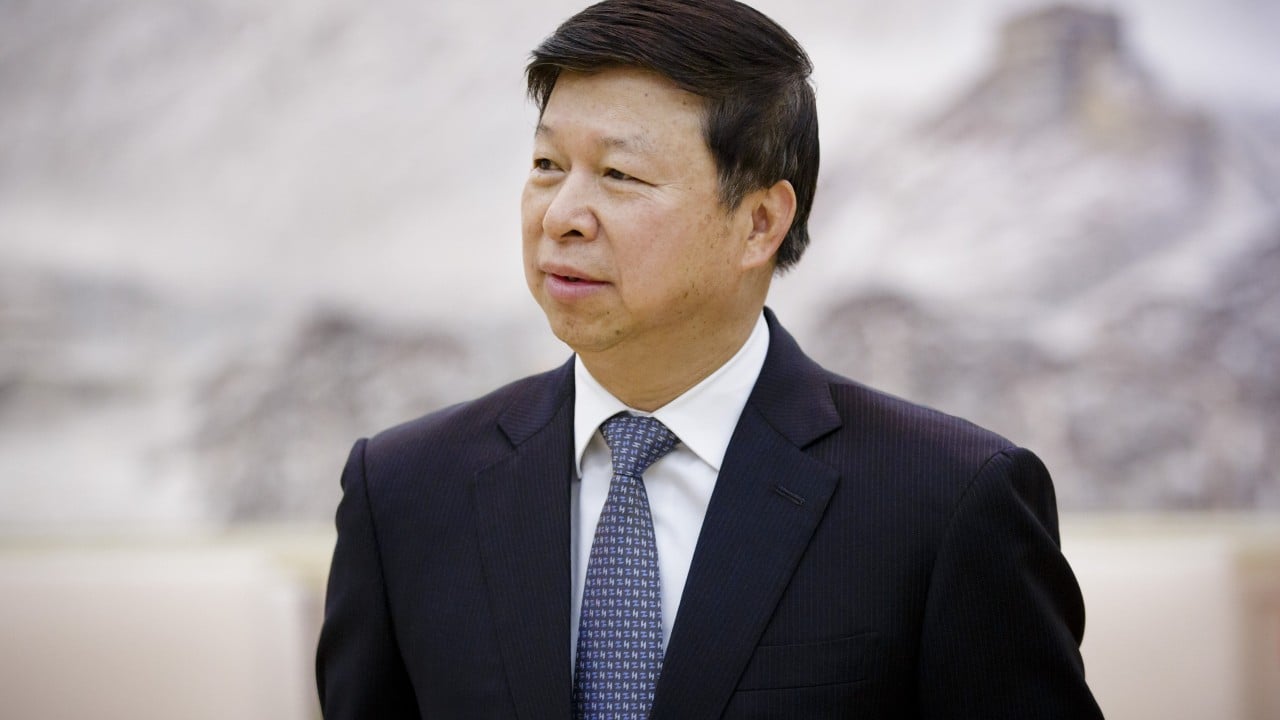
When a senior official from Beijing sits down with a Washington think tank and spells out China's "red lines" on Taiwan, nobody in the room hears anything brand new. Yet people still lean in. Why? Because the setting shifts the stakes. Think tanks in Washington aren't just quiet academic lounges where scholars swap footnotes over coffee; they're pressure chambers where policy narratives take shape, lawmakers test ideas, and incoming or current administrations get sized up.
Let's get straight to what's actually happening when Beijing's top Taiwan hands meet American analysts. They aren't trying to charm skeptical policy wonks into changing their minds overnight. They're locking in non-negotiable boundaries ahead of high-level diplomacy, signaling where Beijing sees American interference crossing from routine engagement into direct threat, and warning Washington that words and weapons transfers carry consequences.
What Beijing Means When It Draws Red Lines on Taiwan
In Chinese diplomatic shorthand, a "red line" isn't a polite request or a rough guideline. It's a warning that crossing a specific threshold could trigger a severe response—diplomatic, economic, or military. Over the years, Chinese leaders and diplomats have framed the Taiwan issue as the most sensitive core interest in U.S.-China ties, often calling it the "red line of red lines".
In broader discussions of U.S.-China boundaries, analysts frequently point to Beijing's "four red lines"—often tied to Taiwan, ideology and political system, development path and rights, and security interests—with Taiwan sitting right at the front of the queue. When a senior official brings this message to a Washington think tank, the core points usually boil down to three things:
- Sovereignty and status: Beijing rejects any move toward formal Taiwan independence or any official shift that treats Taipei as a sovereign state separate from China.
- Arms sales and security ties: Washington's weapons shipments and security cooperation with Taiwan are treated as interference in what Beijing calls internal affairs.
- Summit framing: Ahead of leader-level meetings—such as summits between Xi Jinping and Donald Trump—Beijing wants the guardrails set early so Taiwan doesn't get treated as a bargaining chip without clear limits.
Honestly, if you read enough of these statements side by side, the vocabulary can start to sound like a loop. Same phrases. Same warnings. Same accusations of "outside interference". That repetition makes some observers tune out, which is a mistake. Repetition in Chinese statecraft isn't accidental filler; it's how Beijing establishes a baseline record so it can claim later that Washington was put on notice.
Why Washington Think Tanks Are the Stage
You might wonder why Beijing sends senior figures to talk to think tank researchers rather than sticking strictly to formal diplomatic channels. Think about how Washington works. Policy doesn't get born in a vacuum. A paper published by a major think tank in D.C. or New York can shape congressional questions, influence cabinet-level debates, and frame how reporters cover the next summit.
Even when a think tank event is off the record or semi-private, the ripples travel fast. Think tank fellows talk to current officials, former officials, journalists, and allied diplomats. A Chinese official speaking there gets a direct read on how American analysts interpret Beijing's moves—and gets a chance to push back against narratives Beijing dislikes.
From my vantage point watching these exchanges, there's also a practical reality check going on. Sometimes a meeting with a think tank is less about persuading the audience and more about sending a message back to the White House, Capitol Hill, and Taipei without going through a formal diplomatic standoff. It's a controlled loudspeaker.
The Gap Between Rhetoric and Real-World Friction
Here's where people often get tripped up: treating diplomatic speeches as if they tell the whole story. They don't. Public warnings about red lines tell you what Beijing wants to deter and how it frames blame. They don't automatically tell you what happens next on the ground or in the Taiwan Strait.
Take defense hardware and security cooperation, for instance. Coverage often zooms in on heated rhetoric around arms sales and diplomatic summits. Yet defense trackers and analysts note that delays in weapons deliveries aren't driven by a single cause. Manufacturing bottlenecks, competing global demand for precision munitions, and backlog schedules play huge roles alongside political friction. Meanwhile, behind-the-scenes cooperation—like coast guard interactions or training—can continue even when public rhetoric heats up or leaders adopt different public tones.
That tension is why smart readers don't rely on a single headline. A think tank meeting is one piece of a much messier puzzle that includes domestic politics in Beijing, Washington, and Taipei, economic pressures, and military readiness.
Common Misconceptions People Have About These Meetings
When news breaks that a top Beijing official met with a U.S. think tank on Taiwan, a few predictable myths pop up right away.
Myth 1: A think tank meeting means a secret deal is being cut. Not really. Think tank analysts don't negotiate treaties or set official U.S. policy. They listen, ask sharp questions, argue their own corners, and report back to their institutions.
Myth 2: Red lines mean war is guaranteed tomorrow. Not necessarily. Drawing a red line is often an attempt to deter action by raising the perceived cost, or to draw a boundary around competition. Leaders weigh risks, domestic stability, and broader diplomatic calendars—like major regional or global summits—before taking extreme steps.
Myth 3: Everyone in Washington agrees on what to do. Far from it. Even within the think tank world, experts disagree sharply on how much weight to give Beijing's warnings, how to balance deterrence with crisis management, and how Taiwan's own defense spending and political choices fit into the picture.
There's also a debate over whether repeating red lines makes them stronger or dulls their edge. Some analysts argue that constant warnings keep Washington cautious. Others contend that if every issue is labeled a red line, the term loses precision over time. Both arguments have merit, and data on future crisis decisions is obviously incomplete until events unfold.
How to Read Coverage of Beijing and Washington Exchanges
If you want to cut through the noise the next time you see coverage of a meeting between a Beijing Taiwan official and a U.S. think tank, a few habits will save you a lot of confusion.
- Check the timing. Look at what else is on the calendar. Is a major leaders' summit coming up? Did a recent arms package or statement spark pushback? Timing usually explains why the message is dropping right then.
- Watch who is speaking and who is listening. A former diplomat speaking on a panel carries a different weight than a current senior official meeting privately with policy specialists. Look at the institutional backing of the think tank and whether the discussion is public or closed-door.
- Separate framing from capability. Pay attention to how each side blames the other for rising tensions, then cross-check with concrete developments—like defense budgets, supply chain constraints, or diplomatic schedules—before jumping to conclusions.
- Compare multiple credible sources. Don't build your view around a single report or social media clip. Read reputable wire reporting alongside policy analysis from institutions such as the Council on Foreign Relations or defense-focused trackers to see where facts and interpretations diverge.
Keeping an eye on those four details won't give you a crystal ball, and it won't make U.S.-China-Taiwan dynamics simple. It will, however, keep you from getting whipsawed every time a familiar warning hits the wires.


