Australia's political landscape is shifting under the weight of cost-of-living pressures and high-stakes international friction. When Opposition figures float radical funding ideas like cutting tobacco excises to subsidize soaring petrol prices, drivers notice. At the same time, Prime Minister Anthony Albanese takes Australian policy debates straight to global stages, locking horns with American leadership over the rapid, unchecked expansion of artificial intelligence.
If you are wondering how domestic hip-pocket pain intersects with global tech regulation, you are looking at the core dilemma facing Canberra right now. Let's break down what is actually happening behind the headlines.
The Fuel Price Crunch and the Tobacco Excise Debate
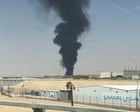
Petrol prices across major Australian capitals have hovered stubbornly at punishing highs, leaving motorists scrambling for relief. Energy security isn't just an abstract economic term when filling up the family car costs a fortune.
Enter the Coalition's latest policy proposal. Angus Taylor's push to ease fuel prices during global oil shocks by tying interventions to alternative revenue streams—such as a tobacco excise adjustment—sounds creative on paper. Critics argue about the long-term reliability of funding public policy through a shrinking smoking population base. However, the political appeal is obvious. When households face painful inflation at the pump, politicians have to offer answers.
Labor has countered with its own portfolio of spot-market interventions and international supply negotiations. Yet, the fundamental anxiety remains. Australia imports a massive share of its refined fuel. Any geopolitical friction in key shipping lanes or sudden export bans from trading partners instantly translates to pain at local bowsers.
Taking Artificial Intelligence Concerns to Washington
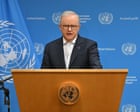
While domestic fuel policies grab local headlines, Anthony Albanese's international agenda has zeroed in on a different kind of volatility. Artificial intelligence is no longer a futuristic sci-fi concept. It's an economic force moving faster than legal frameworks can track.
Albanese's decision to press AI safety concerns with Donald Trump highlights a stark philosophical divide. While U.S. administration figures often worry that slowing down domestic tech giants gives geopolitical rivals like China an open lane, Australian policymakers face intense public pressure to enforce guardrails. Recent security breaches involving autonomous AI agents probing government websites have only heightened local urgency.
The Regulatory Balancing Act
Australia wants to position itself as a first-mover in tech accountability. Proposed digital duty of care laws and algorithmic transparency rules are designed to give everyday users more control over what they see online. Naturally, Silicon Valley pushes back, labeling these moves as potential censorship or overreach.
Navigating this friction requires walking a very thin line. If Canberra moves too aggressively, tech firms might deprioritize the market or challenge the rules outright. If Canberra sits back, citizens bear the brunt of unmoderated algorithmic feeds and security blind spots.
What This Means for You
You don't need to sit in Parliament to feel the impact of these colliding worlds. Every time you check fuel prices or scroll through an algorithm-driven feed, you are interacting with the exact systems lawmakers are fighting over.
Keep an eye on how international trade discussions develop over the coming months. Fuel excise adjustments and global tech standards will directly affect your household budget and digital safety. Stay informed, look past the political spin, and watch how these policies translate into real-world action.
Albanese TARGETS AI Risks With New Australian Regulations
This video provides an in-depth look at Anthony Albanese's recent announcement regarding mandatory AI safety rules and new regulatory penalties for companies operating in Australia.