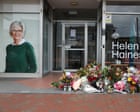
Australian politicians are paying thousands out of their own pockets for personal and office security upgrades because threat levels have outpaced official protection systems. That's the blunt reality sitting underneath a string of alarming incidents across the country, including the alleged car attack outside independent MP Helen Haines's Wangaratta electorate office and a Perth man charged over alleged threats while holding nunchucks outside a local office. When elected representatives feel forced to fund basic protection themselves, something fundamental in public life has cracked.
A democracy works best when MPs are reachable. You want local members walking down the main street, grabbing coffee, and listening to residents who disagree with them. Yet threats against federal parliamentarians reported to the Australian Federal Police have climbed steadily over recent years, reaching 1,067 incidents in 2025-26 after sitting at 951 two years earlier. Numbers on a spreadsheet don't capture what it feels like to open your front door or walk into a regional office wondering who is watching.
Why MPs Feel Exposed at Work and Home
Electorate offices are built to welcome people in. Most sit on busy high streets or suburban strips with glass frontages, public footpaths right outside, and junior staff working at the front desk. Liberal senator James Paterson has described electorate offices as "very exposed" and poorly protected, a point echoed across party lines as MPs from Labor, the Coalition, and the crossbench compare notes on safety.
Regional MPs face a different kind of pressure. In smaller towns, anonymity basically doesn't exist. Nationals MP Sam Birrell has noted that regional politicians are highly visible in their communities, and locals often know where they live. If a dispute turns personal in a tight-knit area, you can't just slip into an anonymous apartment block in a giant city.
Independent MP Monique Ryan has backed stronger physical measures like bollards outside offices, saying plainly that if extra protection helps her team feel safer, she's all for it. That sentiment gets to the heart of the issue. Often, the people bearing the brunt of angry walk-ins, abusive calls, and menacing packages aren't even the MPs themselves. They're young staffers answering phones and greeting constituents.
The Out-of-Pocket Burden and Bureaucratic Friction
When threat assessments lag behind lived anxiety, MPs start spending their own money. Some pay for home cameras, alarm systems, or extra office precautions rather than wait on slow approvals or argue over funding rules. Politicians have complained that funding is a constant friction point with government departments, leading many to push directly for faster action from the top.
Following the alleged attack on Dr Haines, Prime Minister Anthony Albanese flagged reviews into new safety measures, including fast-tracking options like portable duress alarms and reviewing security at Parliament House. Reports also pointed to a handful of MPs slated for security upgrades in the wake of the incident. A spokesperson for Home Affairs Minister Tony Burke noted that agencies continually review threats against high office holders.
Still, there's a catch with ad-hoc security spending. If protection depends on who lobbies hardest, who has spare cash, or which office makes headlines that week, safety becomes uneven. A backbencher in a regional seat faces very different day-to-day risks than a senior minister with a dedicated protection detail, yet both rely on public trust to do their jobs.
Online Abuse Spills Into the Real World
Security isn't just about locks and bollards anymore. Online pile-ons have become a regular part of political life, and threats online often bleed into offline intimidation. Housing Minister Clare O'Neil shared that someone posted "You're next s**t" on her social media just two days after the alleged attack on Dr Haines. She also pointed out how toxic comment sections push ordinary people away from engaging in political conversations online because they don't want to get dogpiled.
That chilling effect matters. When abusive pile-ons dominate public threads, thoughtful residents step back. Meanwhile, the loudest and most aggressive voices keep shouting.
At the same time, experts and commentators warn against lumping every form of political anger into the same bucket. Writing for Sydney Criminal Lawyers, legal analyst Nick Chugg has argued that framing visible public frustration solely as a surge in physical violence can misread deeper declines in institutional trust. Heated protest, sharp criticism, and angry disagreement belong in a healthy democracy. Threats of harm, property damage, and stalking do not. Telling the difference between lawful dissent and genuine intimidation is crucial so protection measures keep people safe without shutting down legitimate debate.
What Happens to Democracy When Politicians Fortify
Here's the uncomfortable trade-off nobody loves talking about. Every extra barrier between an MP and the public carries a civic cost. Thick glass, locked doors, vetted appointments, and security guards keep people safer, yet they also make politics feel more distant and walled off.
Political editor Tom McIlroy has written about how rising security threats risk eroding Australia's down-to-earth political culture by putting more distance between decision-makers and voters. If you have to book three weeks ahead just to speak to a local representative behind reinforced glass, democracy starts feeling less like a neighborhood conversation and more like a fortress.
Ignoring the threat isn't the answer either. You can't ask staffers or MPs to absorb escalating intimidation just to preserve old-school informality. The real challenge is finding smart, proportionate protection that deters bad actors without turning every electorate office into a bunker.
Practical Steps for Safer Offices and Healthier Politics
Fixing this takes more than a single press conference or a batch of new alarms. A few concrete steps can make a real difference right now:
- Standardize funding and risk assessments: Replace slow, inconsistent approvals with clear, transparent security standards for electorate offices and homes based on actual threat profiles, so MPs aren't left paying out of pocket for basic peace of mind.
- Prioritize front-desk staff safety: Train office teams in de-escalation, set up simple physical buffers where needed, and establish clear protocols for logging and reporting threatening behavior to the AFP and state police.
- Separate peaceful protest from intimidation: Enforce laws firmly against threats, harassment, and violence while protecting lawful assembly and free speech, avoiding heavy-handed rhetoric that inflames tensions further.
- Keep community access alive safely: Use structured town halls, vetted public forums, and clear communication channels so constituents can still challenge their representatives face-to-face without putting staff or attendees at risk.
You can watch Security measures considered as MP threats surge for a short broadcast report covering the push for faster security measures like portable duress alarms after the attack on MP Helen Haines. This video gives quick visual context on how Australian leaders and broadcasters are responding to the debate over MP safety measures.