Geopolitical shifts don't usually happen overnight, but the AUKUS security agreement between Australia, the United Kingdom, and the United States sent shockwaves through the Indo-Pacific faster than most defense analysts expected. When the pact was first unveiled, it wasn't just treated as a routine upgrade to regional security. It signaled a massive, structural pivot in global naval strategy, locking Canberra into a long-term partnership designed to counter rising tensions in the South China Sea.
Yet, beneath the high-level diplomatic handshakes and multi-billion-dollar defense contracts, a very different reality is playing out on the ground in Australia. Public anxiety is real. Communities are asking hard questions about sovereignty, financial exposure, and whether tying Australia so tightly to Washington and London makes the country safer or paints a massive target on its coastline.
What the AUKUS Pact Actually Changes
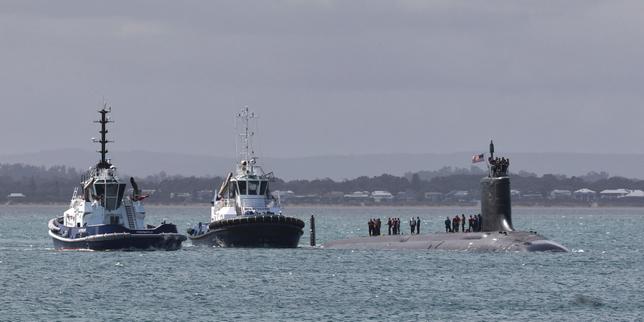
Let's look past the press releases. At its core, the agreement centers on a massive technological transfer: equipping the Royal Australian Navy with conventionally armed, nuclear-powered submarines. That's a huge operational leap. Unlike traditional diesel-electric fleets, nuclear boats can stay submerged for weeks, travel much faster, and cover vast expanses of the Pacific and Indian oceans without surfacing.
For the Australian military, this is a generational upgrade in capability. For regional stability, it is viewed quite differently. Neighboring countries like Indonesia and Malaysia voiced early concerns about a potential regional arms race. When you introduce nuclear propulsion technology to a non-nuclear weapons state for the first time under the Nuclear Non-Proliferation Treaty framework, eyebrows naturally go up.
The Domestic Backlash Nobody Talks About
Politicians in Canberra love talking about deterrence and strategic stability, but citizens are looking at their own backyards and national budgets. The price tag alone is staggering. Estimates place the total cost of acquiring and maintaining these submarines anywhere between 268 billion and 368 billion Australian dollars over the coming decades.
That money has to come from somewhere. Critics point out that pouring hundreds of billions into defense hardware strains public spending on healthcare, housing, and education during an already tough economic climate.
Beyond the financials, there is a deep unease about strategic sovereignty. By plugging directly into American and British submarine manufacturing supply chains and operational command structures, Australia risks losing independent control over its foreign policy. If a major conflict flares up in the region, Canberra might find itself dragged into a war without having true autonomy over the decision to enter it.
Regional Reactions and Diplomatic Fallout
The international ripples were immediate and severe. Remember the diplomatic crisis with France? Australia abruptly scrapped a massive 90 billion dollar French submarine contract in favor of the AUKUS deal, leaving Paris furious and triggering a temporary recall of ambassadors. It took years to mend those diplomatic bridges in Europe.
Meanwhile, Beijing views the pact as a direct containment strategy. China's foreign ministry has repeatedly criticized the agreement as an act that severely damages regional peace and stability, fueling an escalatory spiral. This puts Australia in a tight spot. China remains its largest trading partner, buying massive amounts of iron ore and agricultural goods, even as Canberra deepens its military alignment with Washington to hedge against Beijing's territorial ambitions. You can't easily decouple economic dependency from military deterrence.
Moving Forward in a Fragmented World
The AUKUS agreement is moving past the drawing board and into the heavy lifting of procurement, shipyard expansion, and workforce training. Billions are being funneled into upgrading infrastructure at HMAS Stirling in Western Australia and expanding shipyards in Adelaide.
Yet, the fundamental tension hasn't gone away. Australia faces a difficult balancing act. Protecting maritime trade routes and maintaining a stable balance of power in the Indo-Pacific matters deeply, but doing so without alienating regional partners or compromising national sovereignty requires a level of diplomatic finesse that past governments haven't always demonstrated.
The debate isn't just about submarines. It's about what kind of nation Australia wants to be on the world stage—an independent voice in the Pacific or a junior partner locked into a great power rivalry. How Canberra navigates that tension over the next decade will define its security for generations.


