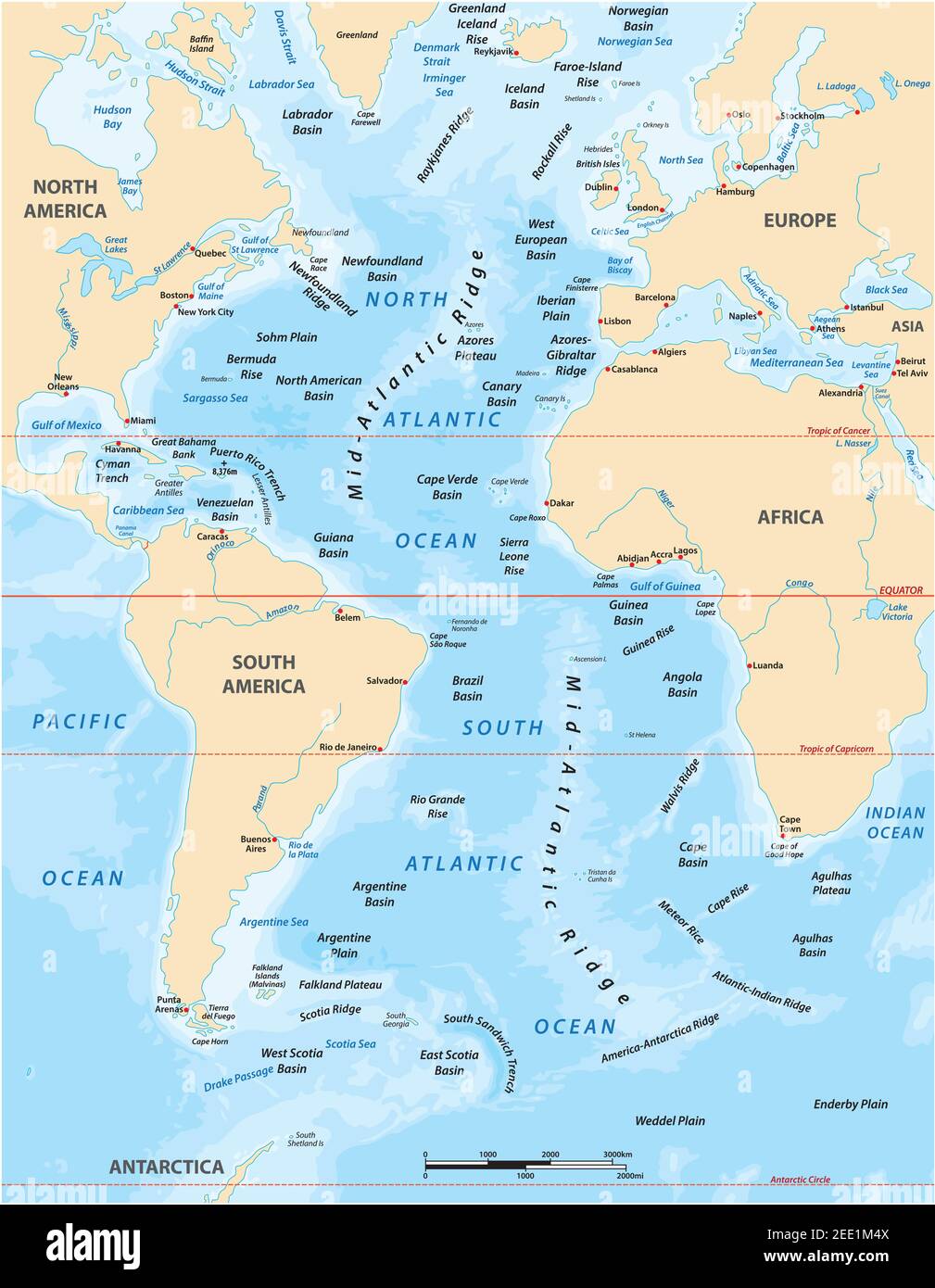
Headline-driven reporting on the sinking off Senegal off Kébémer that left at least 21 dead and one survivor treats each capsizing as a standalone tragedy rather than an output of maritime enforcement economics. A rigorous analysis of Atlantic crossings from West Africa toward Spain's Canary Islands shows how patrol deflection, vessel suitability mismatches, and missing passenger manifests distort both public risk assessment and policy design.
Deconstructing The Competitor Logic
Standard wire dispatches summarize an incident around five variables: the provisional death count, the survivor count, the coastal municipality, the interior ministry's promise to fight smuggling networks, and a historical nod to prior Atlantic losses. That structure gives readers immediate situational awareness while leaving the underlying system opaque.
The first analytical flaw in standard reporting is treating a provisional body count as a complete mortality rate. When authorities report 21 bodies recovered and one person rescued without stating total initial occupancy, the denominator is unknown. Without a manifest or reliable departure headcount, readers cannot distinguish a high-lethality capsizing of 25 passengers from a mass casualty event of 150.
The second limitation lies in framing smuggling crackdowns as a direct cure for sea deaths. Enforcement pressure along one stretch of coastline rarely eliminates migration demand on its own; instead, it alters departure points, route lengths, and operator tactics. When departure points shift or routes lengthen to evade detection, fuel margins tighten and exposure to open-ocean swells rises.
The third blind spot is treating vessel type as a neutral detail rather than an engineering constraint. Mentioning a small boat or a flat-bottomed pirogue without examining freeboard, stability under shifting weight, and sea-state limits obscures why near-shore surf zones and Atlantic swells capsize overloaded craft.
The Four Drivers Of Atlantic Crossing Lethality
To understand why sinkings cluster off northwestern Senegal and along the broader West African littoral, analysts should evaluate four structural drivers rather than isolated headlines.
- Route Detour And Fuel Elasticity: Maritime surveillance and coastal patrols push departures away from monitored hubs and force operators onto longer or more circuitous tracks toward the Canary Islands. Longer distances increase fuel requirements per passenger, reduce reserve margin against headwinds or currents, and extend exposure time in open water.
- Hull Geometry Versus Ocean Swell: Wooden artisanal fishing pirogues are built for coastal fisheries and shallow landings rather than multi-day deep-water transit with heavy human payloads. High passenger density raises the center of gravity, while breaking waves near sandy bars or rocky stretches—such as off the Loumpoul dunes in Kébémer department—can swamp or overturn a craft rapidly.
- Information Asymmetry In Departure Markets: Departures frequently draw passengers from multiple local districts and neighboring West African states without standardized passenger registries. Families often learn of a loss through piecemeal recovery lists, local networks, or delayed official updates, making accurate missing-person accounting difficult in the first hours and days after a wreck.
- Institutional Lag Between Detection And Rescue: Search-and-rescue effectiveness depends on early distress detection, accurate drift modeling, and rapid surface asset positioning. When a boat capsizes near shore or goes unmonitored until bodies wash ashore or survivors are found, the window for hypothermic or drowning rescue closes quickly.
Consider two departures carrying the same number of people from northern Senegal. One departs near a monitored corridor and is forced onto a wider offshore arc against prevailing swell; fuel consumption rises faster than planned, leaving the crew with minimal margin if engine trouble or rough weather hits. Another launches from a less-patrolled beach with excess passengers packed aboard a shallow-draft hull; even a brief encounter with heavy surf or a shifting load can trigger broaching or capsizing before the vessel clears coastal waters.
Why Standard Metrics Mislead Decision-Makers
Policymakers and commentators often judge border and maritime regimes by counting intercepted boats, rescued migrants, or recovered bodies over a given period. Each metric captures part of the picture, yet each fails if read in isolation.
Recovered body counts measure visible mortality, not total loss at sea. Currents, depth, and unrecorded departures mean some victims are never recovered, while discrepancies between initial ministry tallies, local reports, and humanitarian observers reflect shifting recovery operations rather than deliberate fabrication.
Rescue totals, similarly, conflate operational reach with safety. A higher number of rescued migrants can reflect more active patrol vessels or higher departure volume rather than a safer crossing environment. Meanwhile, enforcement metrics such as arrested organizers or seized boats measure supply-side friction, not whether remaining operators are shifting to riskier launch windows or more fragile vessels.
Operational Playbook And Strategic Limits
Reducing loss of life along the West African Atlantic corridor requires separating life-saving maritime response from migration enforcement, while addressing the economic push factors that keep seats on unseaworthy boats filled.
- Decouple Search And Rescue From Interdiction: Assign coastal distress response a clear humanitarian mandate and rapid-launch readiness along high-risk sectors like Kébémer and surrounding departments, ensuring rescue assets deploy to save life regardless of enforcement priorities.
- Standardize Post-Incident Forensics And Family Tracking: Pair interior ministry bulletins with unified victim-identification protocols, centralized family inquiry desks, and transparent distinction between confirmed recoveries, missing persons, and total estimated aboard.
- Target Boat-Building And Launch Bottlenecks: Monitor hull modifications, fuel staging, and coastal launch points using joint local-national intelligence rather than relying solely on reactive sweeps after a disaster occurs.
- Pair Coastal Controls With Legal And Economic Alternatives: Interdiction alone cannot clear the backlog of prospective migrants when local income prospects and regional mobility options remain constrained.
Every lever carries real constraints. Coastal states face budget limits, overlapping jurisdictions, and competing security demands, while smugglers adapt quickly by dispersing launch sites or altering schedules. Expanding legal migration pathways and regional employment requires sustained diplomatic and financial commitment across origin, transit, and destination countries, producing results over years rather than news cycles.
The decisive strategic play for governments and humanitarian agencies is to build a shared, real-time maritime incident ledger across West African coastal authorities and international responders—tracking launch zones, sea conditions, survivor accounts, and family missing-person reports in one standardized system—so search assets deploy faster and policy decisions rest on verified risk rather than incomplete body counts.