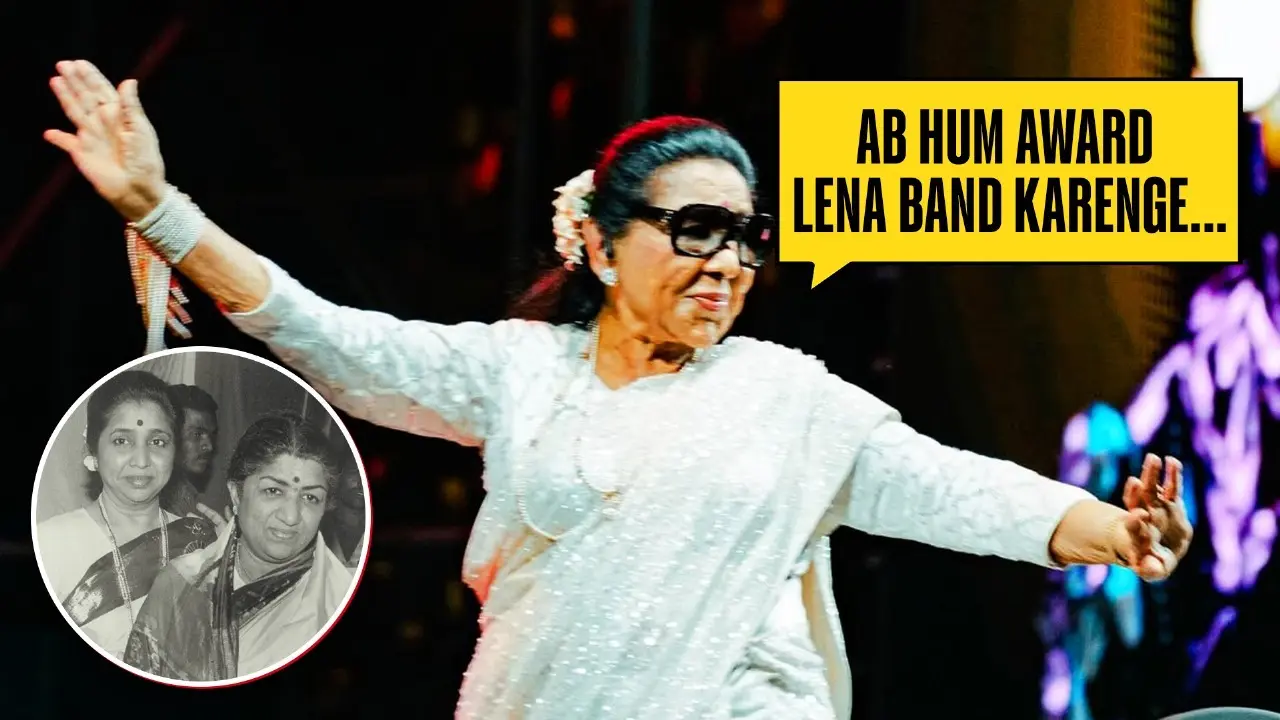
The silence lasted for decades. While the rest of the world watched the "Nightingale" and the "Queen of Indipop" grace stages from London to New York, South Africa was left with nothing but crackling radio signals and smuggled VHS tapes. If you grew up in Durban or Jo'burg during the height of the cultural boycott, Asha Bhosle was a ghost. A beautiful, melodic ghost, sure, but she wasn't real until she stood on that stage in 2016.
Her death on April 12, 2026, at the age of 92, has ripped open a floodgate of memories for the Indian diaspora here. It wasn't just about the music. It was about the fact that she finally showed up when we thought the chance had passed us by forever.
The Long Wait for a Legend
For nearly forty years, India maintained a strict cultural and diplomatic wall against the apartheid regime. This wasn't just a political stance; it was a physical barrier for artists. While South Africans of Indian origin were hummed to sleep by "Chura Liya Hai Tumne Jo Dil Ko," the woman behind the voice was legally barred from visiting.
When the news broke that she would finally perform in 2016 at the age of 83, people didn't just buy tickets—they treated it like a pilgrimage. I remember the buzz in the air. People were skeptical. Could an 83-year-old really deliver the high-octane energy of "Dum Maaro Dum"?
She didn't just deliver. She owned it.
That Magic Night at the ICC and Gallagher
The 2016 tour, aptly named "The Last Empress," hit Durban first. You have to understand that Durban is home to one of the largest Indian populations outside of India. The ICC Arena was packed. When she walked out, the standing ovation lasted so long she hadn't even sung a note and people were already crying.
She opened up about her own frustrations, telling the crowd she’d been trying to get to South Africa for 26 years. It wasn't "God's will" until that moment, she said. But honestly? It felt like the timing was perfect. We got the version of Asha that was a living museum of Indian cinema.
- The Versatility: She didn't just stick to the hits. She sang Tamil tracks like "Oh Butterfly," acknowledging the massive South Indian community in the country.
- The Anecdotes: Between songs, she shared stories about R.D. Burman and her sister, Lata Mangeshkar. It felt less like a concert and more like a legend inviting you into her living room.
- The Energy: Watching an octogenarian command a stage with more charisma than most 20-year-old pop stars was a masterclass in craft.
Why Asha Hit Different for the Diaspora
In South Africa, Bollywood music isn't just entertainment. It's the connective tissue back to a heritage that many felt was being erased by the isolation of the 70s and 80s.
Local fans like Abdul Razak from Johannesburg often point out that while Lata was the "pure" voice, Asha was the voice of the soul. She mastered the qawwali—a genre that requires a specific kind of grit and emotional depth that was highly resonant with the local community. She wasn't just a "playback singer." She was a survivor, someone who had reinvented herself a dozen times, mirroring the resilience of the diaspora itself.
The Promoter’s Dream Realized
Rakesh Maharaj, the promoter who finally got her here, had been chasing this dream since 1984. Think about that for a second. He brought the first major Bollywood shows to the country and spent three decades trying to land the biggest fish in the pond.
For the fans who flew in from neighboring African states, it wasn't about a "farewell." It was about a first hello. Her final words on the Johannesburg stage were simple: "I love you, I cannot speak any more." She didn't need to. The performance had already said everything.
If you’re looking to honor her today, don't just stick to the Bollywood classics. Go listen to her Legacy album with Ali Akbar Khan or her collaborations with the Kronos Quartet. She was a woman who refused to be boxed into a single country or a single style.
If you have those old 2016 concert programs or ticket stubs, hold onto them. They aren't just souvenirs of a show; they’re evidence of the night the music finally broke through the wall. Go pull up a playlist of her 1970s collaborations with R.D. Burman and realize that even at 92, her voice never actually grew old. It just got deeper.