Economic Vulnerability and the Imperative for Structural Diversification
The economic architecture of Hong Kong at the turn of the millennium operated under severe structural constraints. For decades, the territory derived its wealth from a high-rent, asset-inflated commercial property sector paired with transactional financial services. This monoculture proved highly susceptible to external macroeconomic shocks, culminating in the asset price collapse triggered by the 1997 Asian Financial Crisis. When the structural pillars of real estate speculation and stock market turnover contracted simultaneously, the limitations of passive governance models became glaringly apparent.
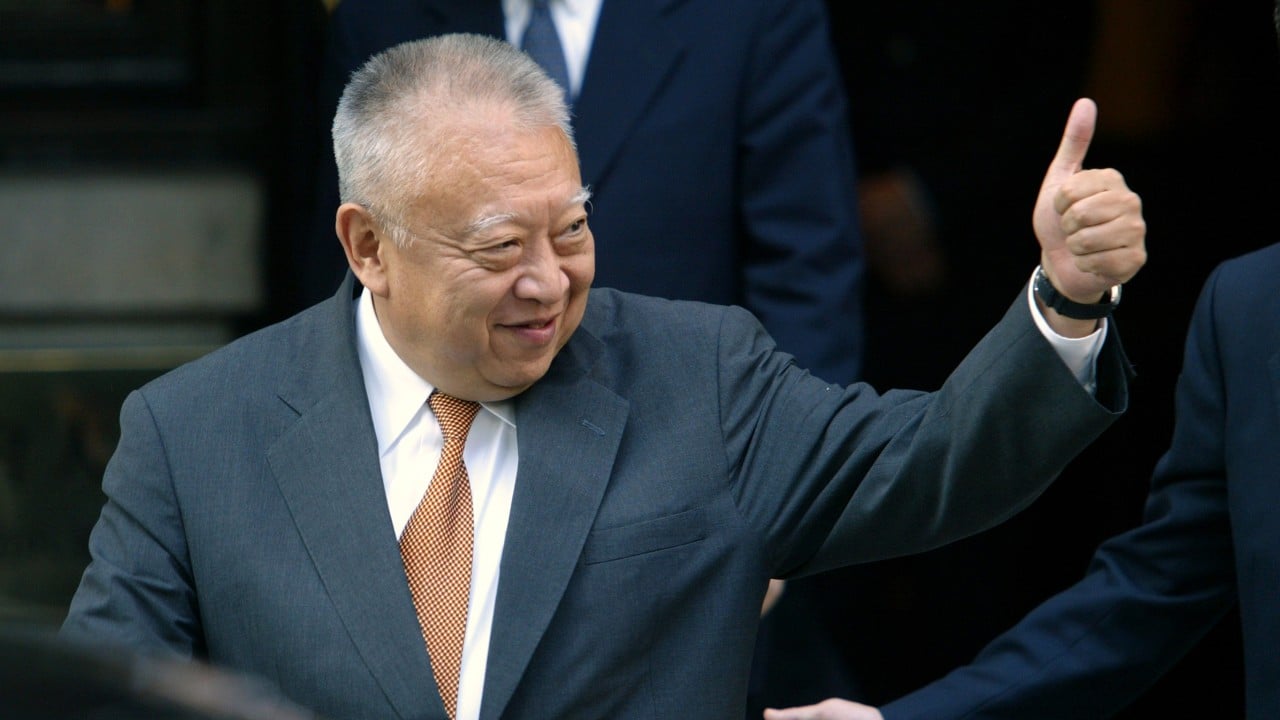
Tung Chee-hwa’s administration inherited an economy accustomed to laissez-faire inertia, historically framed under the doctrine of positive non-interventionism. However, maintaining non-interventionist dogma in the face of industrial hollowing out and rising regional competition from newly industrialized Asian economies meant accepting permanent economic stagnation. The policy response required state intervention in factor endowments—specifically, capital allocation toward research infrastructure, human capital development, and technological enterprise incubation. For another perspective, see: this related article.
Deconstructing this historical pivot reveals a deliberate attempt to engineer a high-value-added technology sector from a standing start. While critics frequently dismissed early technology initiatives as real estate ventures disguised as innovation hubs, a granular examination of the policy mechanisms exposes a calculated strategy to build physical and institutional capital where none previously existed.
The Dual-Track Strategy of State-Led Infrastructure Deployment
To overcome the market failure of private capital refusing to invest in long-term technological infrastructure, the government deployed direct public capital expenditure. This strategy manifested primarily through two major institutional vehicles: the Hong Kong Cyberport project and the Hong Kong Science and Technology Parks Corporation. Similar reporting on this trend has been published by ZDNet.
Cyberport was conceived as a digital infrastructure cluster designed to attract multinational technology corporations and nurture local software engineering talent. The execution model relied on a public-private partnership structure where land was granted to a private developer in exchange for the construction of specialized office facilities and digital infrastructure. This mechanism bypassed traditional legislative budget allocations for capital works, utilizing land value as financial leverage.
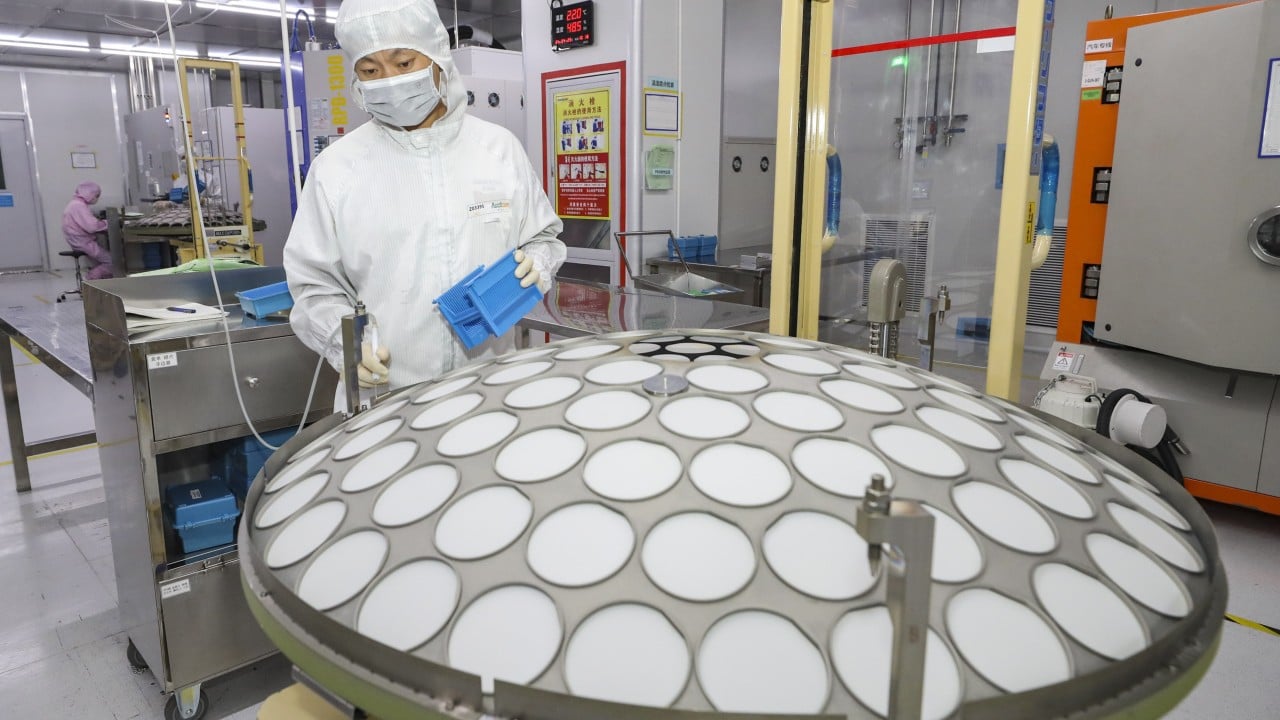
Simultaneously, the establishment of the Hong Kong Science and Technology Parks Corporation addressed the hardware and research-and-development deficit. Situated in Pak Shek Kok, the Science Park provided wet laboratories, cleanrooms, and shared testing facilities designed to lower the fixed capital costs for early-stage engineering and biotechnology startups.
These initiatives challenged the prevailing economic orthodoxy. By socializing the initial capital expenditure for specialized real estate and infrastructure, the state attempted to lower the barrier to entry for technology-intensive industries that could not otherwise compete with financial firms for prime commercial space in Central or Admiralty.
Institutional Bottlenecks in Human Capital and Commercialization
Building physical structures is a straightforward exercise in capital allocation compared to cultivating human capital ecosystems and commercialization pipelines. During the initial formation of Hong Kong's technology sector, the higher education system produced world-class academic research but failed to translate laboratory output into commercial enterprise.
The institutional disconnect stemmed from several structural inefficiencies:
- Academic Incentive Structures: University promotion metrics prioritized peer-reviewed publication volume over patent generation, intellectual property licensing, or startup formation.
- Risk Aversion in Local Capital Markets: Traditional family offices and venture capitalists in Hong Kong preferred liquid assets, real estate syndicates, and trade finance over early-stage equity investments characterized by high failure rates and extended gestation periods.
- Talent Migration Bottlenecks: Immigration policies historically favored financial and corporate services professionals, failing to create streamlined pathways for global engineering talent to anchor in local research institutions.
Tung’s administration attempted to address these gaps through the Innovation and Technology Fund, established in 1999 to finance applied research and development projects undertaken by local enterprises and research institutes. However, the quantum of capital allocated during these formative years remained modest relative to competitor jurisdictions such as Singapore or South Korea, which deployed direct equity co-investments and aggressive tax incentives to attract multinational semiconductor and electronics manufacturing plants.
The Rentier Economy Impediment
The primary structural impediment to Hong Kong's technological ambitions was not a lack of government vision, but the dominance of the rentier economy. In a market where real estate yields consistently outperformed operational returns in industrial manufacturing or software development, rational economic actors allocated capital toward property rather than innovation.
High commercial land costs created a prohibitive fixed-cost burden for technology startups. When a software engineering firm or a biomedical laboratory spends upwards of sixty percent of its operating budget on rent, its capacity to reinvest capital into research, development, and top-tier engineering talent is severely compressed.
Furthermore, the concentration of wealth in property development crowded out venture capital formation. Financial institutions preferred lending against tangible, appreciating real estate collateral rather than intangible intellectual property or early-stage software assets with unproven cash flows. Consequently, the state’s efforts to promote technology existed in direct tension with the domestic economic interests that controlled the territory's land supply and financial liquidity.
Long-Term Compounding and Path Dependency
Evaluating the long-term impact of policies initiated during the early 2000s requires examining path dependency over a twenty-year horizon. While initial critics pointed to early-stage project delays and real estate-heavy execution models as evidence of policy failure, the long-term compounding effects of these infrastructure decisions tell a different story.
The physical sites established under Tung’s tenure provided the foundational real estate footprint that modern high-tech initiatives rely upon today. For instance, the ecosystem cultivated at Cyberport and the Science Park gradually evolved from basic IT service bureaus into specialized clusters for artificial intelligence, semiconductor design, fintech, and biotechnology.
By retaining public ownership and management interest in these technology hubs, subsequent administrations retained the capacity to inject targeted subsidies, launch incubator programs, and facilitate cross-border integration with the manufacturing powerhouses of the neighboring Shenzhen and Guangdong province. The initial capital commitment created a sticky institutional memory and physical infrastructure that prevented Hong Kong from remaining entirely locked into a low-technology service and real estate economy.
Strategic Forecast and Structural Execution
The historical trajectory of Hong Kong's technology sector offers clear operational lessons for contemporary economic strategy. State intervention in technology cannot succeed through real estate provision alone; it requires deep integration with regional supply chains, aggressive intellectual property protection frameworks, and direct equity participation in high-risk, high-reward deep tech sectors.
Future competitiveness depends on three execution priorities:
- Cross-Border Factor Integration: Deepening R&D collaboration with the Greater Bay Area to bridge the gap between Hong Kong’s basic research excellence and Shenzhen’s rapid hardware prototyping and manufacturing scale.
- Institutionalized Venture Capital Backing: Transitioning from passive grant administration to active public-private venture funds that take equity stakes in early-stage artificial intelligence, quantum computing, and advanced materials enterprises.
- Immigration Streamlining for Technical Specialists: Dismantling administrative friction for top-tier global engineering talent to ensure local institutions can compete directly with North American and European technology hubs.
The foresight demonstrated in establishing the foundational institutions of Hong Kong's tech sector laid the groundwork for a transition that is still unfolding. The challenge for modern strategists is to move beyond the constraints of the legacy real estate model and build an operational ecosystem capable of capturing the commanding heights of the global digital economy.