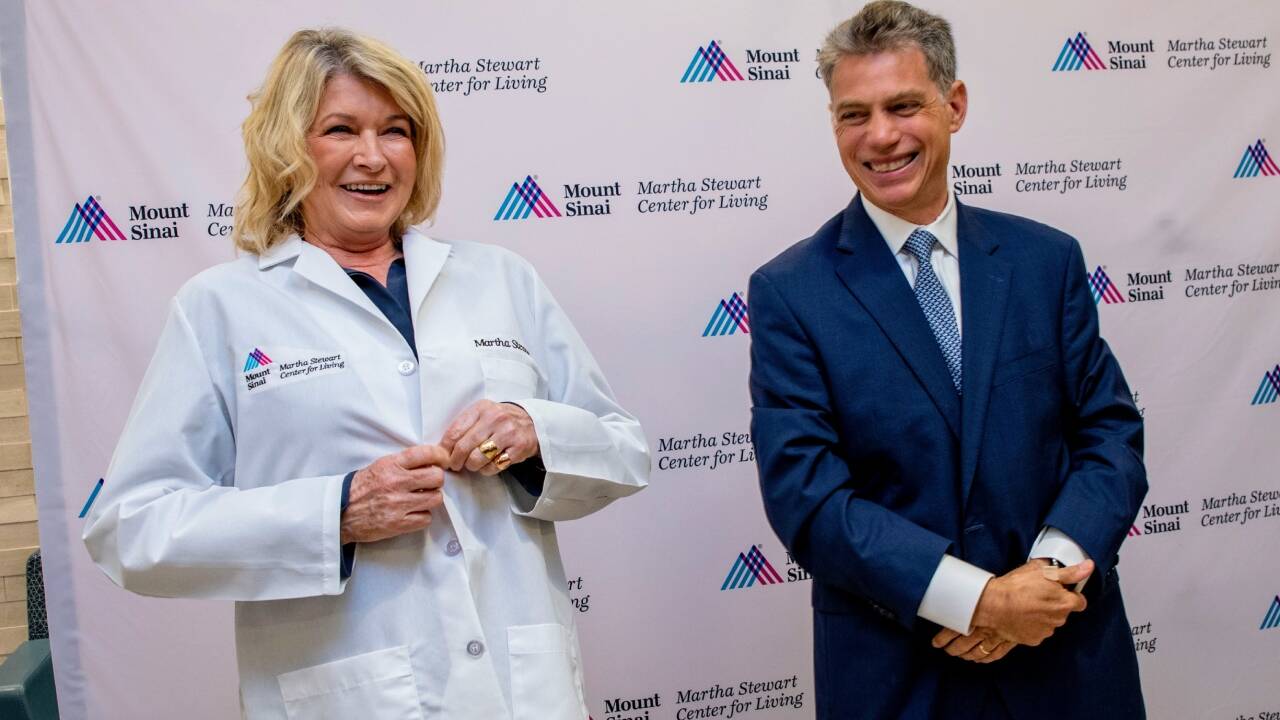
The contemporary medical delivery system treats aging as an episodic emergency rather than a continuous trajectory. When elderly cohorts manage overlapping chronic conditions, fragmented provider networks create catastrophic friction points, driving up hospital readmission rates and inflating clinical expenditure. The structural response to this systemic failure relies on consolidated, interdisciplinary outpatient hubs—exemplified by institutions like the Mount Sinai-affiliated Martha Stewart Centers for Living—which consolidate more than twenty specialist medical and wellness services under a single architectural roof. Deconstructing the economic and operational mechanics of these integrated facilities reveals why traditional gerontological models fail and how centralized clinical ecosystems alter patient outcomes.
The Fragmented Care Penalty
In standard medical environments, an older adult managing hypertension, early-stage cognitive impairment, and osteoarthritis interacts with disparate providers who rarely communicate. A primary care physician manages medications, an independent cardiologist handles vascular health, and a separate physical therapist addresses mobility issues.
This fragmentation introduces three distinct systemic failures:
- Information Asymmetry: Providers lack a unified operational picture of the patient's daily functional capacity, leading to redundant diagnostic testing and contradictory pharmacological prescriptions.
- Adherence Breakdown: Navigating multiple physical locations for routine care imposes a logistical tax on patients and aging caregivers, resulting in missed appointments and unmanaged symptom escalation.
- Acute Care Migration: Without real-time intervention for minor functional declines, patients frequently cross the threshold into emergency departments—the most expensive and least effective setting for chronic management.
The cost function of fragmentation is severe. When care delivery is uncoordinated, emergency room utilization spikes, inpatient stays lengthen due to delayed discharge planning, and post-acute readmissions climb. The economic burden shifts disproportionately onto acute care facilities that are structurally unequipped to handle social determinants of health.
The Integrated Hub Architecture
Consolidated geriatric centers restructure the care delivery model by deploying a multidisciplinary team within a single operational footprint. Rather than treating isolated organ systems, the core unit of analysis becomes the patient's holistic functional independence.
[Traditional Fragmented Model]
Patient <--> PCP (Silo 1)
Patient <--> Cardiologist (Silo 2)
Patient <--> Physical Therapist (Silo 3)
Result: High Friction, High ER Utilization

[Integrated Hub Model]
Patient <--> [ Core Hub: Geriatricians + Specialists + Social Workers + Wellness ]
Result: Low Friction, Reduced Readmissions
The operational blueprint relies on three structural components:
Comprehensive Geriatric Assessment
Every clinical interaction begins with an evaluation that extends beyond physiological pathology to quantify emotional well-being, domestic support structures, financial coping skills, and activities of daily living (ADLs). This shifts clinical intervention from reactive treatment to proactive risk mitigation.
Embedded Social Work and Care Coordination
By assigning dedicated social workers to every patient cohort, integrated facilities internalize the management of social determinants. Social workers coordinate home health aides, resolve medication access barriers, and facilitate caregiver support groups, neutralizing environmental triggers before they manifest as clinical crises.
Co-Located Subspecialty Access
Housing primary geriatric care alongside cardiology, endocrinology, rheumatology, and psychiatric services eliminates geographical barriers to consultation. Specialists operate within the same institutional culture, utilizing shared electronic health records and informal hallway consultations to align treatment goals.
Quantifying Outpatient Efficiency
The economic viability of integrated geriatric centers rests on shifting resource allocation from inpatient acute care to outpatient preventive maintenance. Clinical data from integrated models demonstrate concrete performance variances against national averages for older demographics:
- Emergency Department Utilization: Patients managed within consolidated environments experience roughly half the emergency room visit rate of demographically matched peers.
- Inpatient Length of Stay: When hospitalization becomes unavoidable, coordinated discharge planning and integrated post-acute protocols compress the duration of inpatient stays.
- Readmission Penalties: Thirty-day readmission rates drop significantly due to continuous monitoring and immediate post-discharge outpatient touchpoints.
These metrics are driven by the elimination of latency. When a patient exhibits early signs of a functional decline—such as unsteadiness indicating fall risk—an integrated center deploys physical therapy, balance training, and medication review simultaneously, avoiding the catastrophic cascade of a hip fracture.
Systemic Limitations and Supply Constraints
Despite clear operational superiority, integrated geriatric models face severe structural bottlenecks that limit nationwide scalability.
The primary constraint is human capital. The physician pipeline suffers from a profound deficit of specialized talent; the ratio of certified geriatricians to older adults represents a severe supply-demand imbalance. Geriatrics consistently underperforms in physician recruitment relative to procedural specialties, driven by lower relative compensation structures and complex, high-friction patient panels.
Furthermore, fee-for-service reimbursement models penalize integrated care. Traditional insurance structures reward volume—number of procedures, tests, and short visits—rather than longitudinal functional stability. An integrated center that keeps a patient out of the hospital through preventive social work and wellness coordination generates cost savings for payers, but captures little of that financial return under legacy billing frameworks. Transitioning these models to value-based care contracts and capitated payment streams remains an operational necessity for long-term viability.
Strategic Implementation Blueprint
To replicate the performance of top-tier geriatric hubs, healthcare systems and institutional investors must execute a phased operational transition rather than superficial facility rebranding.
- Recruit for Interdisciplinary Fluency: Transition hiring metrics away from pure patient-volume throughput toward collaborative case management capabilities. Physicians must function as team leaders alongside nurse practitioners, social workers, and physical therapists.
- Integrate Wellness Infrastructure: Incorporate non-clinical interventions—such as structured balance training, nutritional planning, and cognitive maintenance programs—directly into the clinical schedule to preserve functional independence.
- Align Payer Contracts: Negotiate risk-sharing agreements that monetize reduced emergency department admissions and shortened hospital stays, capturing the economic value generated by preventive coordination.
Deploying capital into fragmented senior care without altering the underlying delivery architecture yields diminishing returns. True optimization requires treating the geriatric ecosystem as a single, unified logistical challenge where clinical medicine, social support, and environmental design operate under one roof.
A Model of Integrated Care for Older Adults
This video provides an overview of how comprehensive geriatric centers coordinate specialist medical care and support services for older adults.