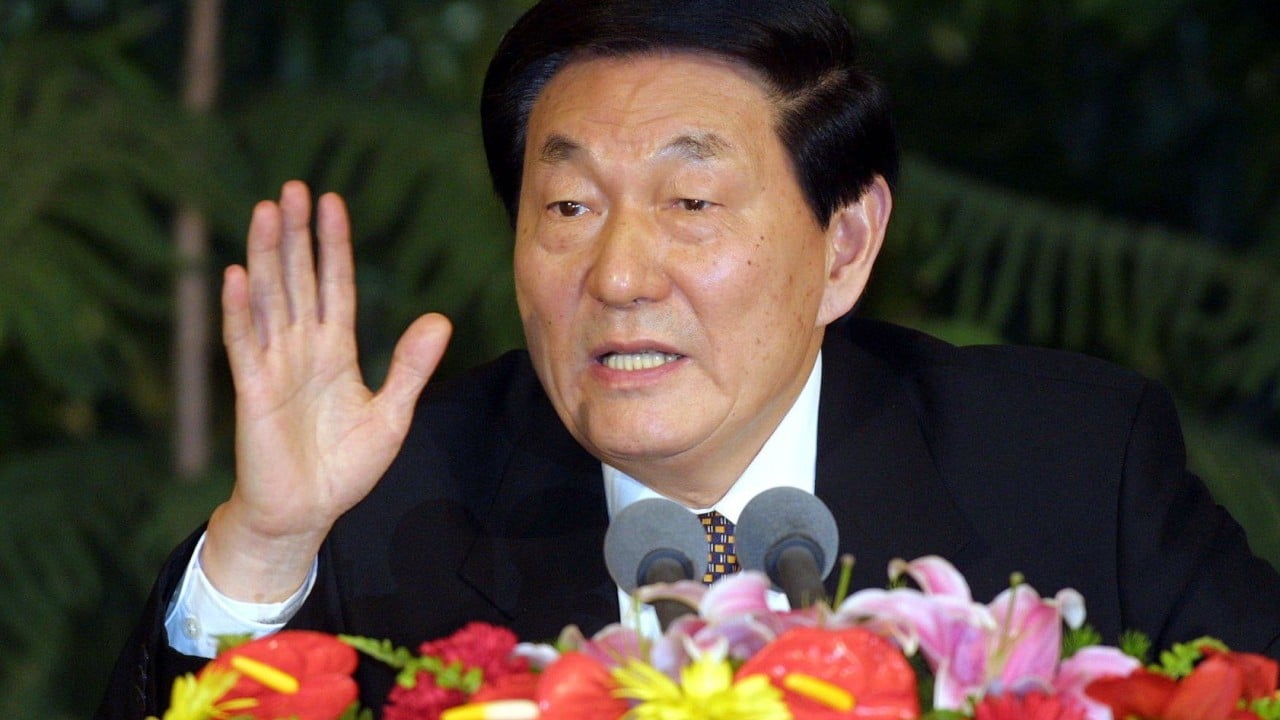
Flags flutter at half-staff across Hong Kong, Macao, and official compounds throughout mainland China to mark the passing of former premier Zhu Rongji. He died at the age of ninety-eight, taking with him the direct memory of an era when Beijing embraced the global trade order with teeth baring and high stakes. Official state obituaries praise him as a loyal communist fighter and a brilliant statesman. Yet the quiet reality of his departure is far more complex than standard state grief. Zhu built the engine of modern Chinese capitalism, and modern China is still paying the price for the friction it causes.
The Iron Premier and the Cost of Survival
History remembers Zhu as "One Touch Zhu" and the Iron Premier. When he took the reins of the State Council in 1998, the nation was bleeding from rampant inflation, swollen state-owned enterprises, and bad debt. He did not manage the decline. He performed radical surgery.
Millions of workers in state factories lost their jobs during his sweeping restructuring campaign. It was brutal. Entire industrial towns built around cradle-to-grave socialism were hollowed out overnight. He centralized tax collection away from the provinces and into Beijing, starving local governments of independent cash flows while forcing them to shoulder public service bills. That single fiscal reform planted the administrative seed for today's municipal debt crisis.
He understood the danger of inaction. If the state kept propping up zombie enterprises, the entire financial system would implode under bad loans. He chose mass unemployment today to avert systemic bankruptcy tomorrow.
The WTO Gamble and the Global Factory
Zhu’s crowning geopolitical achievement was dragging a reluctant bureaucracy across the finish line to secure World Trade Organization membership in 2001. Washington thought trade integration would naturally birth political liberalization. Beijing thought global markets would transform domestic industry into a world-class competitor. Both sides were partially right and profoundly wrong.
The WTO accession unlocked an unprecedented manufacturing boom. It turned coastal provinces into the industrial workshop of the planet. But it also institutionalized the deep structural imbalances that trouble international trade relations today. High savings rates, suppressed domestic consumption, and relentless export-driven growth are direct legacies of the post-WTO blueprint Zhu engineered.
Foreign competitors now face the downstream consequences of that strategy. When trade partners slap tariffs on excess industrial capacity, they are pushing against walls that Zhu originally helped mortar.
The Unfinished Ledger
Retirement did not soften his tongue. In his later years, Zhu watched the expansion of property speculation, local debt loops, and runaway urban development with private alarm. He had unleashed market forces by decentralizing housing and promoting private homeownership, but he never found a way to stop those forces from metastasizing into asset bubbles.
He once stated he wanted to be remembered simply as an honest official. That wish ignores his massive footprint. He was an economic nationalist who used capitalist tools to save a socialist party-state.
Flags fly low at half-mast outside the Central Government Offices in Hong Kong and across border checkpoints. Diplomats bow and bureaucrats issue standardized eulogies. Beneath the official mourning lies a deeper truth. The economic model that defines contemporary China, with all its staggering manufacturing might and its stubborn structural vulnerabilities, belongs entirely to Zhu Rongji.


