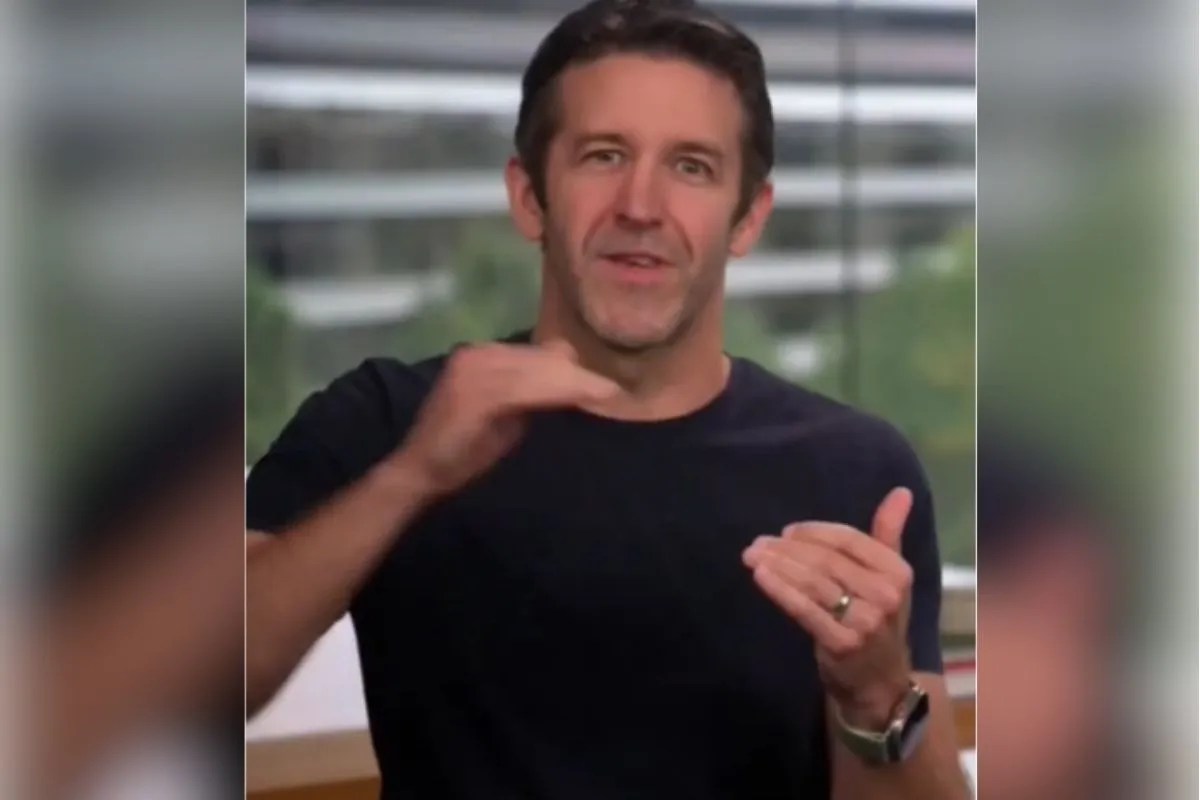
Tim Cook spent fifteen years turning Apple into a financial juggernaut, but the company's newest leader comes from a completely different world. John Ternus isn't an operations guy or a supply chain wizard. He is a mechanical engineer who spent a quarter of a century obsessing over circuit boards, titanium chassis, and thermal dynamics. When he stepped into the CEO office, it signaled a loud and clear message: Apple is returning to its product-first roots.
Most tech watchers miss the point when they analyze leadership handoffs. They look at stock prices, quarterly margins, and supply chain logistics. They forget that Apple has always succeeded best when the person running the show actually understands how the hardware feels in your hand. Ternus gets that. He built his entire career inside the Cupertino machine by shipping physical things that people actually want to use.
From Quiet Engineer to the Top Job
If you watched Apple keynotes over the past few years, you probably noticed Ternus. He always carried a calm, understated confidence when presenting new iPads, Macs, or iPhones. He didn't have the theatrical flair of Steve Jobs, nor the hyper-measured corporate polish of Tim Cook. He sounded like a guy who genuinely loved taking things apart to see how they worked.
His journey started way back in 2001. That was the year Apple released the iPod and OS X. Ternus joined the product design team when the company was still fighting for survival in a PC-dominated market. Over the next two decades, he climbed the ranks because he kept delivering. By 2013, he became a vice president of hardware engineering, and in 2021, he took over the entire hardware division.
During his time leading hardware, he oversaw the monumental transition of the Mac lineup away from Intel chips to custom Apple Silicon. If you use an M-series MacBook and marvel at its battery life, you are basically experiencing the direct output of Ternus's engineering teams. He managed the shift that made Apple computers dominant again after years of stagnant laptop designs.
What an Engineering Background Means for Apple Now
Operations leaders build efficient supply chains. Engineers build magic. That doesn't mean Cook did anything wrong—he made Apple the most valuable corporation on earth. But an operations focus can sometimes make a company overly cautious, iterative, and defensive.
When you put an engineer at the helm, the internal culture shifts back toward technical ambition. Ternus isn't just looking at spreadsheets. He is looking at the physical constraints of next-generation form factors, augmented reality hardware, and deeply integrated AI chips. He knows where the bottlenecks are because he used to help design the solutions himself.
People often ask if a product designer or hardware engineer can handle the brutal financial realities of a trillion-dollar enterprise. The skepticism is fair, but it misunderstands how Apple operates. Ternus didn't spend twenty-five years isolated in a cleanroom. He worked shoulder-to-shoulder with manufacturing partners, software teams, and executive leaders. He knows how the gears turn.
The Real Challenges Waiting on His Desk
Nobody inherits a company this size without facing massive hurdles. Ternus takes over at a time when consumer electronics are hitting an evolutionary plateau. Smartphones look mostly the same, upgrade cycles are dragging out, and regulatory bodies globally are breathing down Apple's neck over app store policies and ecosystem lock-in.
Then there is the artificial intelligence race. Apple has always taken a deliberate, measured approach to software intelligence, often letting competitors stumble first before releasing a polished alternative. But hardware and software are merging faster than ever. The physical device in your pocket has to process heavy machine learning workloads locally without melting your fingers or draining the battery in two hours. Ternus's hardware background becomes an absolute superpower here. You cannot separate modern chip architecture from mechanical design.
If you are waiting to see what Apple looks like next, stop looking at financial forecasts. Watch the hardware. Watch how tightly the company integrates its custom silicon with physical enclosures. Ternus isn't trying to copy anyone else's playbook. He is going back to the philosophy that built the company in the first place: make insanely great products, and the business will take care of itself.