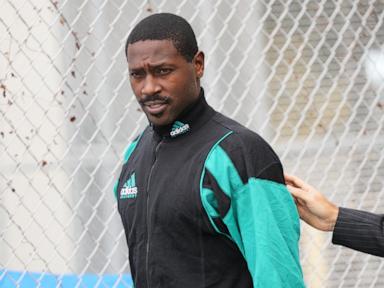
Former NFL wide receiver Antonio Brown faces another critical juncture as his legal troubles bring him back into a Miami courtroom for expected plea negotiations. Once celebrated as one of the most dynamic talents to ever step onto a professional gridiron, Brown's trajectory has transformed into a cautionary tale of off-field turbulence that frequently eclipses his athletic achievements.
The courtroom appearance marks yet another chapter in a lengthy saga of legal disputes, civil lawsuits, and volatile public incidents that have defined his post-football life. Observers tracking the case anticipate a resolution through a plea agreement, a common mechanism in crowded court dockets that allows defendants to avoid trial while accepting specific legal consequences. Yet, for a public figure whose career was already derailed by erratic behavior and burned bridges across multiple franchises, each new legal hurdle underscores the widening chasm between athletic brilliance and personal accountability.
The Anatomy Of An Unraveling Career
Athletic dominance often creates a protective bubble. Front offices, agents, and fans routinely overlook red flags when a player delivers elite production on Sundays. During his prime years with the Pittsburgh Steelers, and brief stints elsewhere, Brown possessed a rare combination of route-running precision, breakaway speed, and competitive ferocity. That production allowed him to command immense leverage in contract negotiations and public relations battles alike.
Protection has an expiration date. When the production stops, the buffer evaporates. The unraveling of Brown's career was not a sudden accident but a compounding series of public detonations. From sideline outbursts to controversial social media broadcasts and explosive departures from teams like the Oakland Raiders and Tampa Bay Buccaneers, the warning signs accumulated rapidly. Each incident chipped away at the goodwill and tolerance of sports executives who might otherwise have offered a second or third chance.
Legal entanglements soon followed the professional fallout. Civil suits regarding unpaid debts, security breaches, and domestic disputes transformed Brown from a sports-page
Antonio Brown And The Unraveling Of Athletic Greatness
sports, celebs
The trajectory of Antonio Brown from gridiron dominator to perennial courtroom fixture stands as a cautionary study in professional self-destruction. Once celebrated as the most electrifying wide receiver in the National Football League, Brown now commands headlines through legal battles rather than athletic achievements. A scheduled appearance in a Miami courtroom for an expected plea agreement brings yet another chapter of his post-football saga into public view. This ongoing legal scrutiny highlights a broader tragedy of extraordinary talent squandered outside the lines.
Sports fans and analysts alike grapple with how a generational athlete transformed his legacy into a cautionary tale. To understand the current reality, one must examine the intersection of elite sports culture, unchecked ego, and the systemic failures that often accompany modern fame. Brown did not reach this point overnight. Every headline-grabbing incident, from erratic social media broadcasts to broken contracts, represented a brick laid in a wall of isolation.
The Mechanics of Professional Alienation
Athletes operating at the absolute peak of their professions often inhabit a bubble. Organizations, agents, and fans tolerate unorthodox behavior as long as production remains high. When Antonio Brown led the league in receptions and yards, his friction with coaching staffs and front offices was managed as eccentric genius. That tolerance has a strict expiration date.
The moment production dips or the disruption outweighs the athletic contribution, the safety net disappears. Brown discovered this truth violently during his final explosive exit from the Tampa Bay Buccaneers, shedding his uniform mid-game and running across the MetLife Stadium turf. That theatrical departure served as a clinical demonstration of alienation in real time.
Fr franchises invest millions in physical conditioning yet struggle profoundly with behavioral governance. When a star player realizes they can override institutional authority, a dangerous feedback loop takes root. Accountability vanishes. The protective ecosystem surrounding elite talent frequently acts as an echo chamber, insulating individuals from the consequences of their actions until a hard collision with the legal system occurs.
Behind the Miami Courtroom Doors
Legal proceedings involving high-profile figures often reduce complex human struggles to dry docket numbers and procedural compromises. The Miami court appearance for Antonio Brown centers on outstanding disputes, obligations, and the mechanics of a plea agreement designed to resolve pending matters. Observers look for remorse or dramatic statements, but the reality of such hearings is procedural exhaustion.
Courtrooms do not care about past touchdowns or Pro Bowl selections. The legal apparatus treats a former athlete the same as any other citizen facing similar allegations, creating a jarring transition for someone accustomed to special treatment. This friction between celebrity status and judicial reality produces an ongoing sense of grievance.
When public figures face accountability, their narratives often fracture. They shift between defiance and playing the victim, unable to reconcile the adoration they received on Sundays with the accountability demanded on weekdays. The plea agreement in Miami represents an attempt to close a specific legal chapter, though it leaves the broader narrative of decline entirely unresolved.
The Cultural Cost of Unchecked Ego
Modern sports culture creates idols at an unsustainable pace. Leagues market personal brands just as aggressively as team victories, elevating athletes into cultural arbiters. When those individuals lack the internal framework to handle immense wealth and constant adoration, the crash can be catastrophic.
Antonio Brown represents an extreme variant of a recurring syndrome. The competitive fire required to dominate a sport like football demands a hyper-aggressive self-belief. That same self-belief, when unmoored from reality and discipline, turns toxic.
Younger athletes watching this trajectory rarely internalize the lesson. They see the initial accumulation of wealth and fame as invulnerability rather than a temporary state. The system continues to produce stars who confuse athletic dominance with moral immunity, ensuring that the cycle of public unraveling will repeat itself with the next generation of phenoms.
The Miami courtroom lights will eventually dim, the journalists will pack their cameras, and Antonio Brown will step back into a world far removed from the roar of tens of thousands of cheering fans. The legal system will dispense its terms, but the larger verdict on how modern sports cultivate and ultimately abandon their icons remains unsettled.


