The desk lamp in a small mid-levels apartment in Hong Kong casts a tight, yellow circle over a ledger that hasn’t balanced quite right in three months. Outside, the harbor is a smear of neon and black water, indifferent to the math keeping small business owners awake past midnight.
Across the Pacific, thousands of miles away, men and women in dark suits sit in a cool, gray chamber in Washington. They speak in careful, measured cadences. They adjust dials on an economic machine too vast for any single human eye to track. And down here, beneath the heavy humidity of a Tuesday night, the tea goes cold while the interest payment stays stubbornly, relentlessly high.
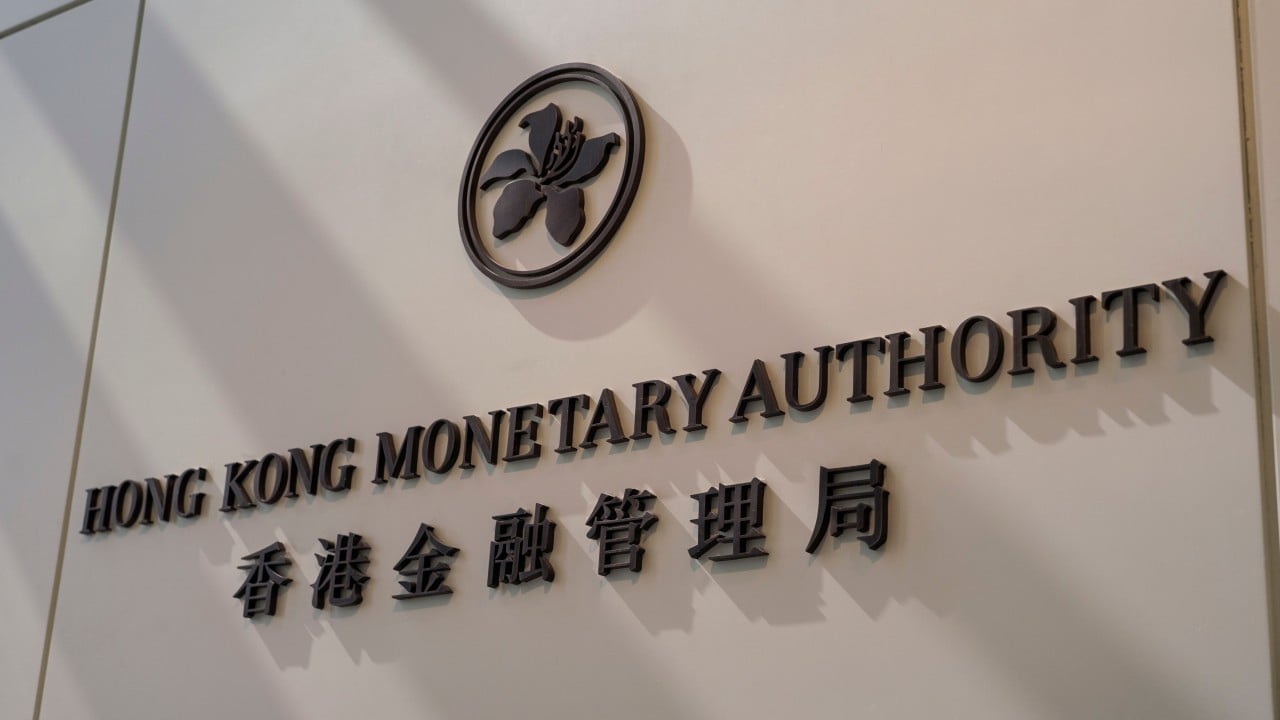
The Hong Kong Monetary Authority made its choice. They kept the base rate locked at four percent.
It was not a surprise. It could not be a surprise. The mechanism demands it. For decades, the peg has bound the local currency to the United States dollar, an economic umbilical cord that ties a bustling Asian metropolis to the monetary policy of a distant superpower. When the Federal Reserve hesitates, Hong Kong holds its breath.
Listen closely to the official statements and you will hear the dry vocabulary of central banking. Stability. Defense of the peg. Capital flows. But translate that language into the currency of human experience, and it sounds entirely different. It sounds like a landlord staring at a row of empty storefronts. It sounds like a young family crossing out their third choice for an apartment because the mortgage math no longer closes the gap.
Confidence is a fragile organism.
For months, the murmurs from Washington have grown ragged. The ghosts of inflation, supposedly banished back to the shadows, keep rattling their chains in the monthly consumer price reports. Every tick upward in grocery costs or service sector wages sends a shiver through the global boardrooms. The market slumps not because of a sudden lack of human ingenuity or a drought of raw materials, but because investors are staring at a terrifying question: Is the Federal Reserve actually losing control of the beast?
When the captain of the ship loses his footing, the passengers on every connected deck stumble.
Hong Kong does not set its own weather. That is the fundamental, unyielding reality of the linked exchange rate system established decades ago. By tethering the local dollar to the greenback, the city traded monetary independence for predictability in trade. For years, that bargain was a roaring success. It built skyscrapers, funded transit networks, and turned a rocky harbor into a global financial titan.
Yet every bargain demands a toll.
When the United States economy runs hot and the Fed jacks up rates to cool the fever, Hong Kong feels the chill instantly. And when the Fed stalls, caught between stubborn inflation prints and the political dread of a stalling job market, Hong Kong remains chained to the anchor.
Consider what happens on the ground.
In a quiet office in Sheung Wan, an import-export broker looks at shipping manifests that are half as thick as they were two years ago. High borrowing costs do not just exist on paper; they manifest as empty cargo bays and canceled expansion plans. Small and medium enterprises form the beating heart of this city. They do not have sprawling balance sheets or multinational hedging strategies. They rely on revolving credit lines. They rely on cash flow.
When the base rate sits at four percent while local property prices wobble and domestic consumption softens, the pressure mounts invisibly. It is the pressure of a vice tightening one millimeter every single day.
Why does the market slump in response to the Fed's hesitation? Because Wall Street hates ambiguity more than it hates bad news. A bad number can be priced in. A clear recession can be modeled. But the creeping suspicion that the central bank is guessing—that the tools no longer bite the way they used to—creates paralysis.
And that paralysis migrates eastward across the ocean with terrifying speed.
Money is cowardly. It flees uncertainty. As global investors reassess the trajectory of American inflation, capital shuffles around the globe like cards in a rigged deck. Some days it flows into safe havens; other days it evaporates into cash. The HKMA stands at the ramparts, holding the line, ready to deploy billions from its immense fiscal reserves to defend the peg whenever the market tests its resolve.
The defense works. It has always worked. The reserves are deep, the banking sector is capitalized to an almost absurd degree, and the institutional muscle memory is second to none.
The peg will hold. Everyone who understands the mechanics knows this.
Yet survival is not the same thing as breathing easy.
Back in the mid-levels apartment, the ledger finally closes. The math is brutal, but it is clear. The interest rate is a fixed wall, and the revenue is a fluctuating river. There is no drama in the room, no theatrical despair. Just the quiet exhaustion of a person realizing that forces entirely beyond their control—decisions made by people who have never walked these streets, reacting to data points half a world away—have decided the financial weather for tomorrow.
The storm outside the window continues to churn. The lights of the city blink against the dark. And somewhere in Washington, a printer hums, ready to churn out another report that will dictate the exact price of survival for a tea shop owner ten thousand miles away.