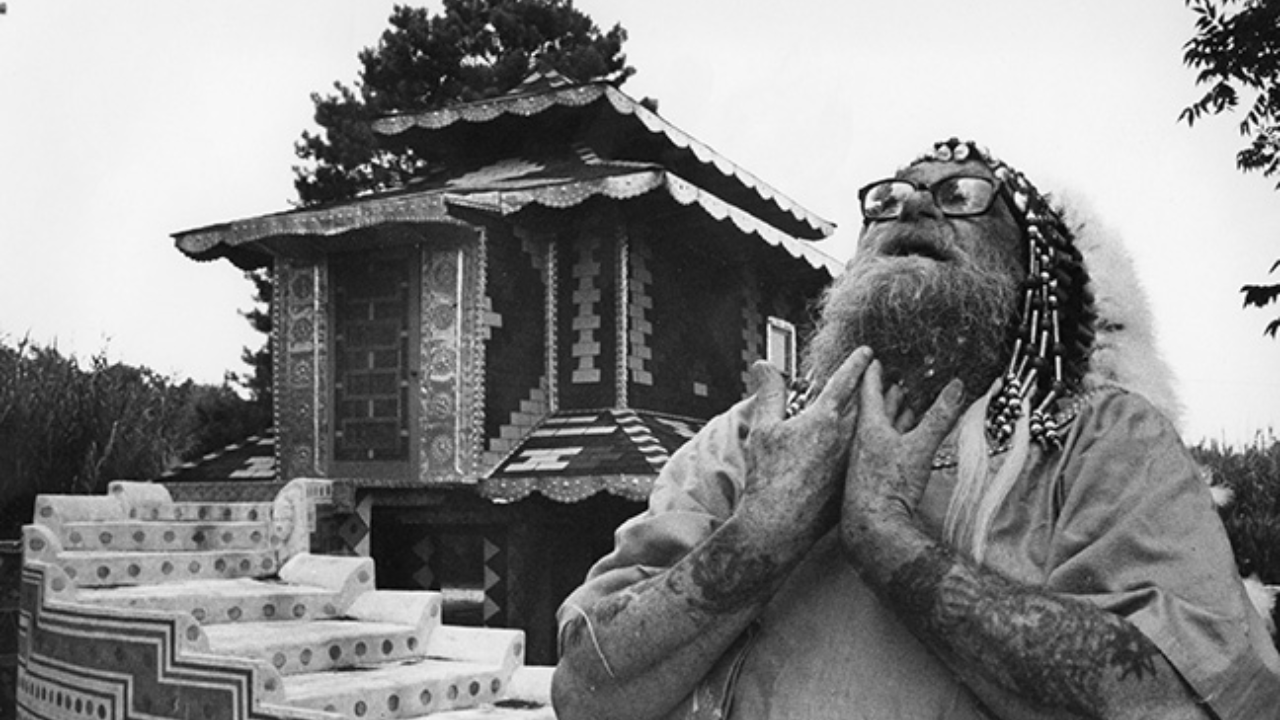
Visual biographies function as compressed archives, yet standard analytical approaches fail to evaluate how sequencing alters historical truth. Traditional retrospectives rely on chronological serialization, assuming that temporal proximity equals causal relevance. This structural flaw obscures the underlying mechanics of how individual images construct cultural memory. Deconstructing a photographic life history requires analyzing image selection bias, spatial arrangement, and the economic constraints of archival curation.
The Three Pillars of Visual Curation
Evaluating any curated photographic collection requires examining the primary criteria governing asset inclusion. Editors and biographers do not capture random slices of time; they operate within strict operational parameters that dictate the final narrative arc.
- The Archival Bottleneck: The ratio of captured frames to published frames typically exceeds one thousand to one. This compression ratio introduces severe survivorship bias, retaining only moments that align with a predetermined thematic thesis.
- The Stylistic Uniformity Constraint: Collections favor images that maintain visual continuity. Raw, uncomposed fragments that contradict the established aesthetic identity of the subject are systematically purged to prevent cognitive dissonance in the viewer.
- The Commercial Utility Factor: Images selected often reflect historical marketability or licensing availability rather than biographical weight. Archival holders prioritize assets with recognizable iconography over mundane documentation that might offer truer psychological insight.
These three pillars establish a closed loop. The resulting narrative is not an objective reflection of a subject's trajectory, but a highly edited output optimized for emotional resonance rather than factual comprehensiveness.
The Cost Function of Omission
Every published photograph displaces ten thousand unrecorded hours. To understand what a visual biography reveals, one must calculate the opportunity cost of its omissions. When a portfolio focuses exclusively on peak output years, it introduces a systemic distortion into the subject's developmental timeline.
The primary driver of this distortion is the institutional demand for high-contrast storytelling. Plateaus, administrative delays, and periods of creative dormancy yield visually flat assets. Because flat assets fail to capture consumer attention, curators replace them with dramatic outliers. This creates a false impression of continuous momentum.
Operating efficiencies within publishing houses further enforce this trend. Tight layout budgets restrict page counts, forcing editors to discard contextual continuity shots in favor of iconic centerpieces. The cost function dictates that breadth is sacrificed for depth of impact, turning a complex human trajectory into a string of isolated milestones.
Mapping the Production Mechanics
Moving from raw life events to finalized visual archives involves a distinct four-stage transformation pipeline.
- Raw Capture: The initial phase where images are generated without editorial intent. The subject interacts with their environment under natural conditions, producing uncurated observational data.
- Archival Storing: The sorting phase where negatives, digital files, and prints enter institutional or private custody. Loss occurs here through physical degradation, miscataloging, or deliberate destruction of politically or socially sensitive frames.
- Thematic Filtering: Biographers and executors apply ideological or commercial filters. Frames that challenge the canonical interpretation of the subject are discarded or restricted from public access.
- Final Sequencing: The layout phase where juxtaposition creates manufactured meaning. Placing a contemplative portrait next to a chaotic street scene constructs a narrative cause-and-effect relationship that never existed in real-time.
Recognizing this sequence neutralizes the emotional manipulation inherent in traditional photo books. The viewer moves from passive consumption of iconography to active interrogation of structural intent.
To optimize future biographical frameworks, curators must abandon linear hagiography. True documentation requires publishing the gaps, retaining the unpolished failures, and explicitly detailing the archival loss functions that shaped the final collection.
Steve McCurry: A Life in Pictures provides a clear look at how extensive archives are distilled into comprehensive visual retrospectives.