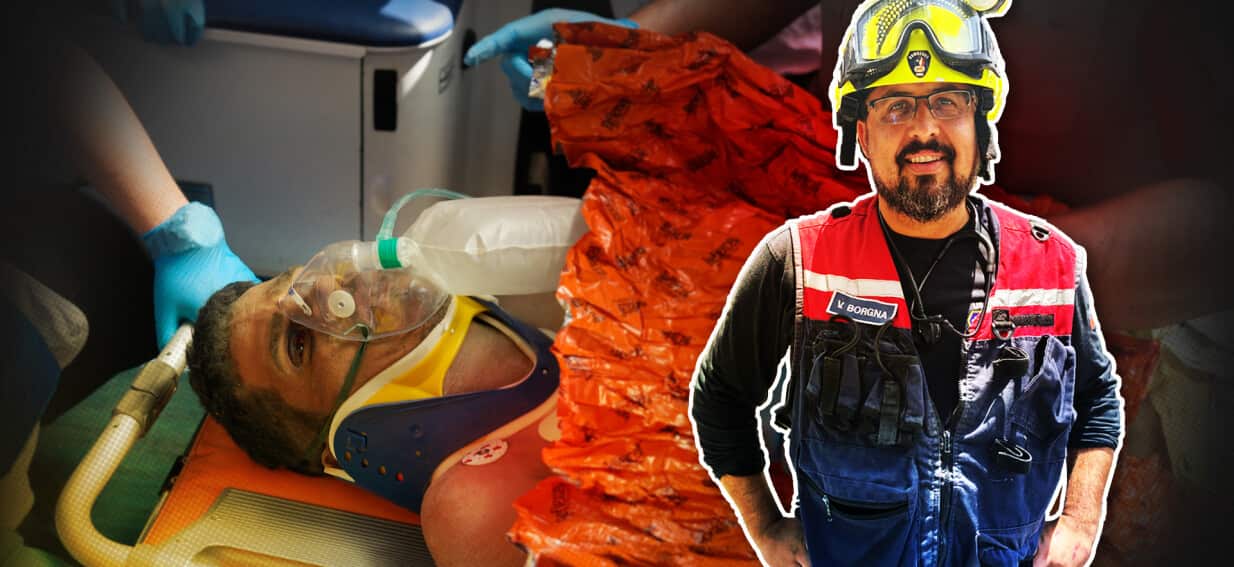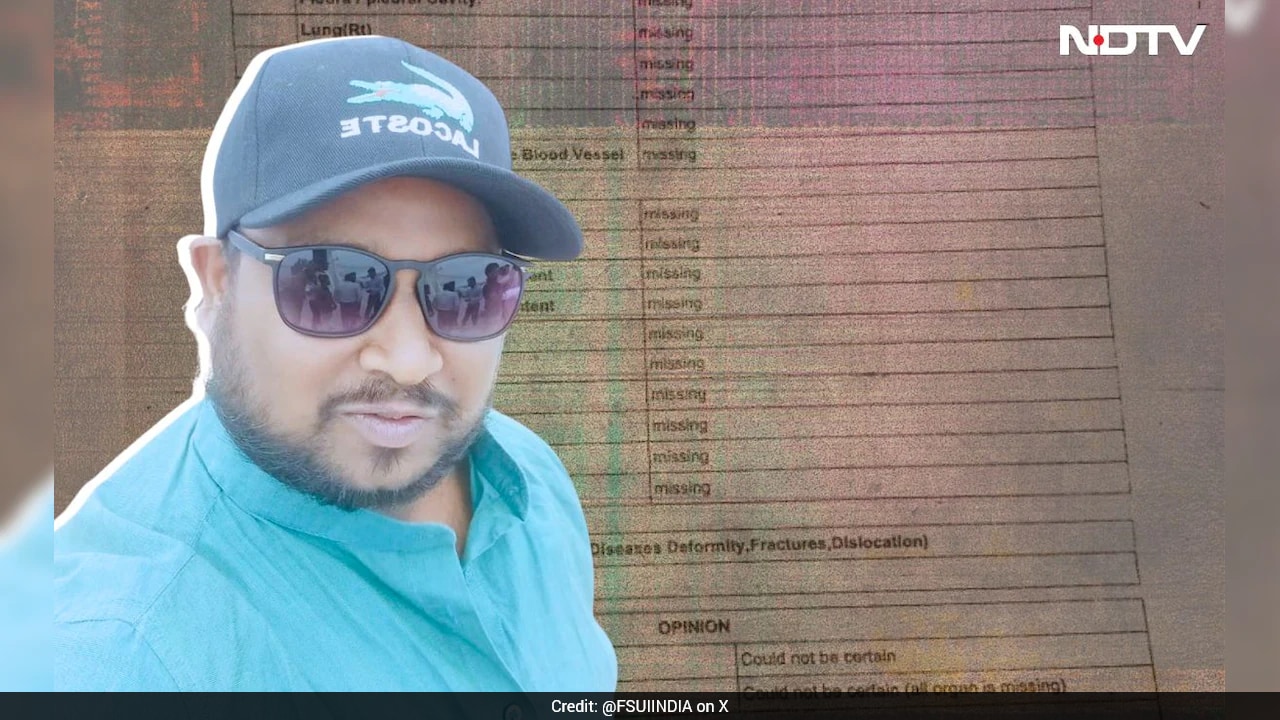
The repatriation of a deceased merchant mariner transitions from a standard logistical procedure to a major geopolitical dispute when bilateral institutional failures occur. The case of Rakesh Chauhan, a 33-year-old Indian seafarer from Uttar Pradesh who died on May 7, 2026, in Punto Fijo, Falcon State, Venezuela, highlights severe gaps in maritime labor protections, sovereign jurisdictional friction, and international forensic protocols. When an Indian re-autopsy revealed the total absence of all major internal organs—including the brain, heart, lungs, liver, kidneys, and trachea—the incident transformed from a local workplace accident into a complex diplomatic conflict between New Delhi and Caracas.
Resolving the structural breakdown in this incident requires examining three distinct operational layers: the protocol of forensic evisceration versus illegal organ harvesting, the gaps in the Maritime Labour Convention (MLC) regarding employer accountability, and the jurisdictional bottlenecks that delay state-level interventions.
The Mechanics of Forensic Evisceration vs. Organ Illicit Trade
Public and institutional confusion regarding missing organs in repatriated remains often stems from a failure to distinguish between the clinical mechanics of a comprehensive autopsy and the logistical requirements of transnational organ trafficking.
In standard forensic pathology, an autopsy requires the removal and sectioning of the visceral block. The Letulle, Ghon, or Virchow techniques dictate the systematic evisceration of organs to determine the cause of death.
[Standard Autopsy Evisceration] ──> [Visceral Block Analysis] ──> [Incineration / Formaldehyde Preservation]
                                                                        │
                                                                        └──> (If omitted) ──> Empty Cavity Embalming
A secondary, critical phase of post-mortem processing is chemical preservation for long-distance transport. To slow decomposition during extended transit times—in this instance, a 28-day deep-freeze storage period from May 7 to June 4—local mortuary technicians often remove visceral tissue completely if specialized cavity-drying powders or high-index arterial fluids are unavailable. This step prevents gas formation and tissue gas bacillus replication. When local medical examiners fail to return the analyzed organs to the abdominal cavity or incinerate them as biological waste without documenting the action, the body arrives at its destination as an empty shell.
Conversely, the hypothesis of illicit organ harvesting for transplantation requires strict physiological constraints that are entirely incompatible with a typical maritime fatality profile.
- The Viability Window: Organs must be harvested from a brain-dead donor whose cardiopulmonary function is artificially maintained. Ischemic times for transplantable tissue are narrow: a heart must be implanted within 4 to 6 hours, a liver within 12 hours, and kidneys within 24 to 36 hours.
- The Logistical Footprint: Cold ischemic preservation requires immediate perfusion with specialized preservation solutions (e.g., University of Wisconsin solution) and an unbroken, rapid cold chain directly to a matching recipient.
The removal of structural tissues that possess zero transplant value—such as the larynx, trachea, hyoid bone, and stomach—strongly indicates an aggressive local forensic evisceration or systematic cover-up rather than commercial organ trafficking. The complete extraction of these tissues directly prevents secondary pathologists from identifying signs of manual strangulation, mechanical asphyxiation, or chemical poisoning.
The Maritime Contractual Void and Regulatory Failures
The operational environment of flags of convenience and international manning agencies creates a highly fragmented chain of accountability that complicates investigations into shipboard deaths. In this case, the Forward Seamen’s Union of India (FSUI) identified three critical discrepancies in the administrative trail that point to systemic compliance failures by the hiring entity.
Vessel Mismatch and Employment Discrepancies
The merchant vessel specified in Chauhan's employment agreement did not match the hull registry of the vessel where he was actually deployed and injured. This mismatch allows ship owners to obscure asset ownership, evade port state control tracking, and muddy liability under governing protection and indemnity (P&I) club coverages.
Signature Forgery and Documentation Tampering
The transit receipt for the mortal remains bore a forged signature, substituting "Anjana Chauraisya" for the legal next of kin, Ranjana Chaurasiya. Forging repatriation manifests is an established tactic to rush remains through customs barriers before foreign consular offices can intervene or mandate an independent inspection.
Information Symmetries and Delayed Reporting
The hiring company initially reported a minor onboard fall on May 6, followed by a abrupt notification of a 5% survival probability within hours, and ultimately a total withholding of the local Venezuelan clinical and forensic charts. This managed flow of information minimizes immediate corporate liability and ensures the vessel can clear port before a formal maritime accident investigation can be launched.
Under Title 4 of the Maritime Labour Convention (MLC) 2006, shipowners are strictly liable for the costs of medical care and the repatriation of remains following an onboard death. However, the MLC lacks enforceable mandates requiring shipowners to secure and deliver certified copy entries of local forensic or police reports to the seafarer's home country. This regulatory gap allows private operators to offload legal liability onto the host country's domestic administrative system, which may be uncooperative or structurally compromised.
Jurisdictional Friction in Consular Interventions
The diplomatic gridlock between the Indian Ministry of External Affairs (MEA) and the Venezuelan Ministry of Popular Power for Foreign Relations highlights the limitations of consular power under the Vienna Convention on Consular Relations (1963). While Article 5 empowers a consular post to protect the interests of sending-state nationals, it provides no executive authority to override the sovereign criminal jurisdiction of the receiving state.
The Indian Embassy in Caracas is facing a severe bureaucratic bottleneck. Because the local death and subsequent post-mortem occurred within the territorial jurisdiction of Falcon State, the primary chain of custody for all physical evidence, toxicological samples, and original autopsy records remains under the exclusive control of the Venezuelan Cuerpo de Investigaciones Científicas, Penales y Criminalísticas (CICPC).
[Venezuelan Local Jurisdictional Control: CICPC]
       │ (Withholds primary evidence, toxicological samples, autopsy records)
       ▼
[Consular Bureaucratic Bottleneck]
       │ (Limits Indian Embassy to diplomatic notes and formal requests)
       ▼
[Foreign Ministry Level Escalation]
Consular officials cannot compel local municipal prosecutors to release records; they can only issue diplomatic notes (notes verbales) requesting transparency. This dynamic is further complicated when the host nation faces internal institutional decay, severe economic instability, or structural delays within its public registry and forensic networks. Consequently, the sending state is left with a highly reactive diplomatic approach: it must wait for local authorities to clear administrative backlogs while domestic political pressure builds from the mariner's home community.
Strategic Framework for Managing Distant Maritime Fatalities
To prevent future institutional breakdowns and ensure accountability in international maritime deaths, sending states must move away from reactive diplomatic inquiries and establish a standardized, legally binding protocol.
- Mandatory Tripartite Consular Holds: India and other major seafaring nations must negotiate bilateral agreements that require an automatic consular hold on the repatriation of any mariner's remains until the host country's primary autopsy report is translated, certified, and delivered to the relevant embassy.
- P&I Club Underwriting Contingencies: Port State Control authorities should bar vessels from entering domestic waters unless their P&I club charters include clauses that cut off indemnity coverage if the operator fails to provide verified, un-tampered employment and medical documentation within 48 hours of a shipboard casualty.
- Universal Secondary Forensic Logging: Standardize a domestic post-mortem protocol for all repatriated seafarers that automatically logs structural surgical anomalies, such as the 22-stitch ventral and 21-stitch occipital incisions found on Chauhan. This creates an unalterable forensic record to challenge incomplete or fraudulent foreign death certificates in international maritime tribunals.