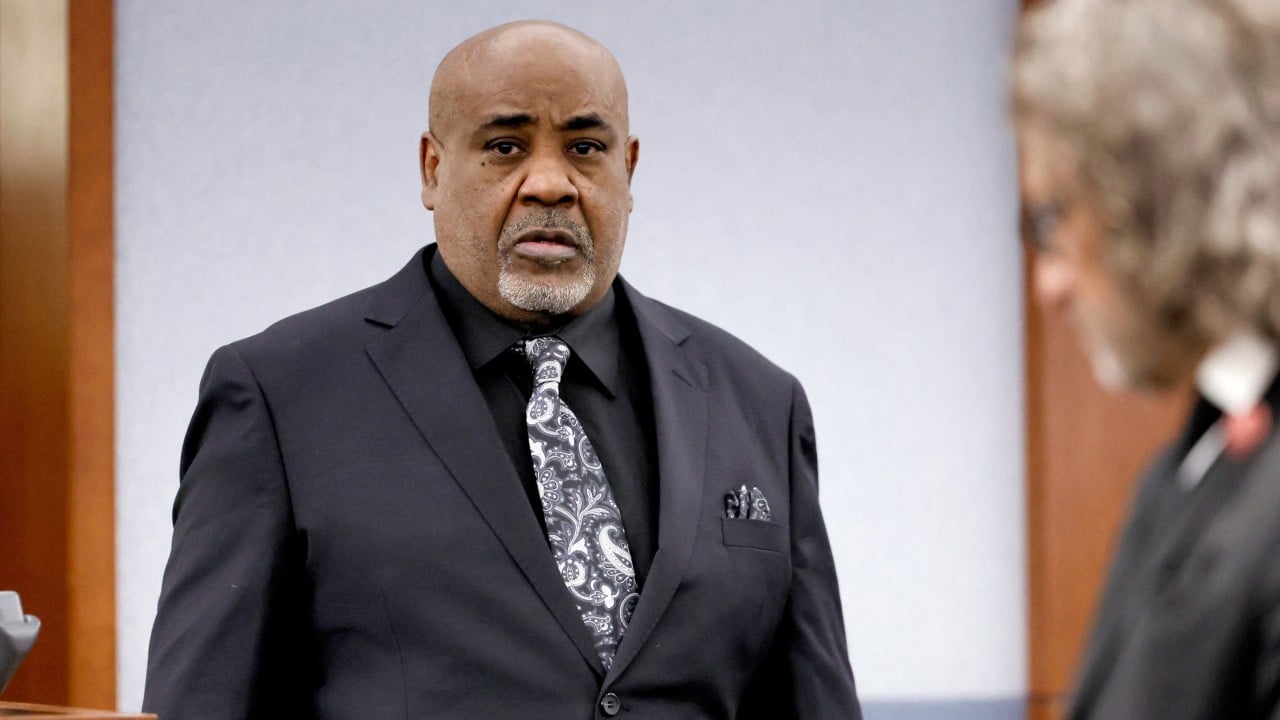
Nelson Holdo thought he could run the clock out on reality. Operating out of the affluent enclave of Newport Beach, this Orange County jeweler built a quiet, lucrative reputation built entirely on thin air and luxury steel. When a California judge handed down a five-year state prison sentence following an investigation led by the state Department of Justice, it closed the book on a $1.7 million Ponzi-style fraud scheme. Yet, the five-year sentence tells only a fraction of the story.
The mechanics of high-end luxury watch fraud rely less on sophisticated technological trickery and more on exploiting the psychological vulnerabilities of the wealthy. Over a multi-year period beginning around 2021, Holdo targeted collectors and buyers hunting for rare Rolex models and high-end jewelry valued between $50,000 and $100,000. In the secondary luxury market, where authorized dealer waitlists stretch for years, scarcity is the primary driver. Holdo weaponized that scarcity. He convinced thirty-two victims across Los Angeles and Orange counties to wire full upfront payments for timepieces that simply did not exist.
The Illusion of Access
In the grey market and independent jewelry trade, trusted relationships dictate inventory movement. Buyers expect to pay upfront for hard-to-source pieces because brokers frequently need liquid capital to secure watches from private collections or overseas dealers. Holdo played this part to perfection. He promised delivery windows of four to six weeks, citing specialized international networks that could unearth discontinued or allocation-restricted references.
Clients handed over wire transfers because the arrangement felt exclusive. The industry relies heavily on reputation, discretion, and handshake deals. Fraudsters thrive in this gray space because traditional financial institutions rarely question business-to-business or high-value personal wire transactions directed to accounts bearing corporate jeweler names.
When the initial delivery windows inevitably slammed shut, the script shifted. Victims encountered a masterclass in bureaucratic stalling. Weeks turned into months of manufactured excuses: customs delays, transit security issues, uncooperative overseas couriers, or sudden family emergencies. Holdo maintained a physical storefront and a calm demeanor, insulating himself from immediate suspicion. Physical presence acts as a powerful trust heuristic. People believe that a brick-and-mortar address in an expensive coastal zip code anchors a business against sudden disappearance.
The Ponzi Mechanics of Luxury Retail
Fraud of this magnitude rarely begins as a grand criminal enterprise. It usually starts as a cash-flow emergency. A legitimate jeweler experiencing business losses or bad bets uses a client's deposit to plug an immediate financial hole, fully intending to fulfill the order once the next influx of capital arrives.
When that replacement capital fails to materialize, the cycle accelerates. Holdo used incoming deposits from new victims to pay off earlier clients or cover operational overhead, operating a textbook Ponzi scheme disguised as a boutique jewelry operation.
As pressure mounted and demands for refunds poured in, Holdo adopted a strategy of hollow appeasement. He agreed to issue refunds, stringing desperate clients along with fraudulent checks and empty promises while pocketing the remaining liquidity. By the time prosecutors from the California Department of Justice's Special Prosecutions Section stepped in alongside local police, thirty-two separate complainants had realized their six-figure investments had vanished into operational deficits and personal expenses.
Systemic Vulnerabilities in the Secondary Market
The Holdo case exposes deeper structural vulnerabilities within the secondary luxury watch market. Demand for stainless steel sports models surged dramatically over the past decade, turning watches into alternative asset classes. This financialization attracted opportunistic players who lack the heritage, capital reserves, or ethical grounding of traditional generational jewelers.
Regulatory oversight in the secondhand luxury sector remains notoriously lax. Unlike traditional securities brokerages, independent jewelry stores operate with minimal external auditing of their inventory-to-liability ratios. A jeweler can take millions of dollars in forward-purchase liabilities without maintaining an escrow account or posting a surety bond to protect client deposits.
Buyers often bypass traditional escrow services to save on transaction fees or to secure allocations faster in competitive environments. This informal culture makes tracking illicit fund movements difficult until the enterprise collapses under its own weight.
The Cost of Convenience
A five-year sentence for white-collar theft rarely satisfies victims who watched their life savings or luxury investments evaporate. Holdo pleaded guilty to felony grand theft, writing fraudulent checks, and a white-collar crime enhancement in exchange for the dismissal of roughly three dozen other charges. While the plea secured a conviction, restitution remains an uphill battle. Recovered assets in these cases rarely cover the total principal losses, leaving buyers to absorb the financial damage.
The fallout extends beyond the immediate courtroom battle. Independent dealers who operate with absolute integrity face rising skepticism from collectors who have grown wary of wire-first purchasing models. Transparency, secure third-party escrow services, and verified physical inventory inspection are slowly reshaping how sophisticated buyers interact with independent brokers.
Trust remains the most valuable currency in the luxury trade, and once debased, it takes far longer than five years to rebuild.