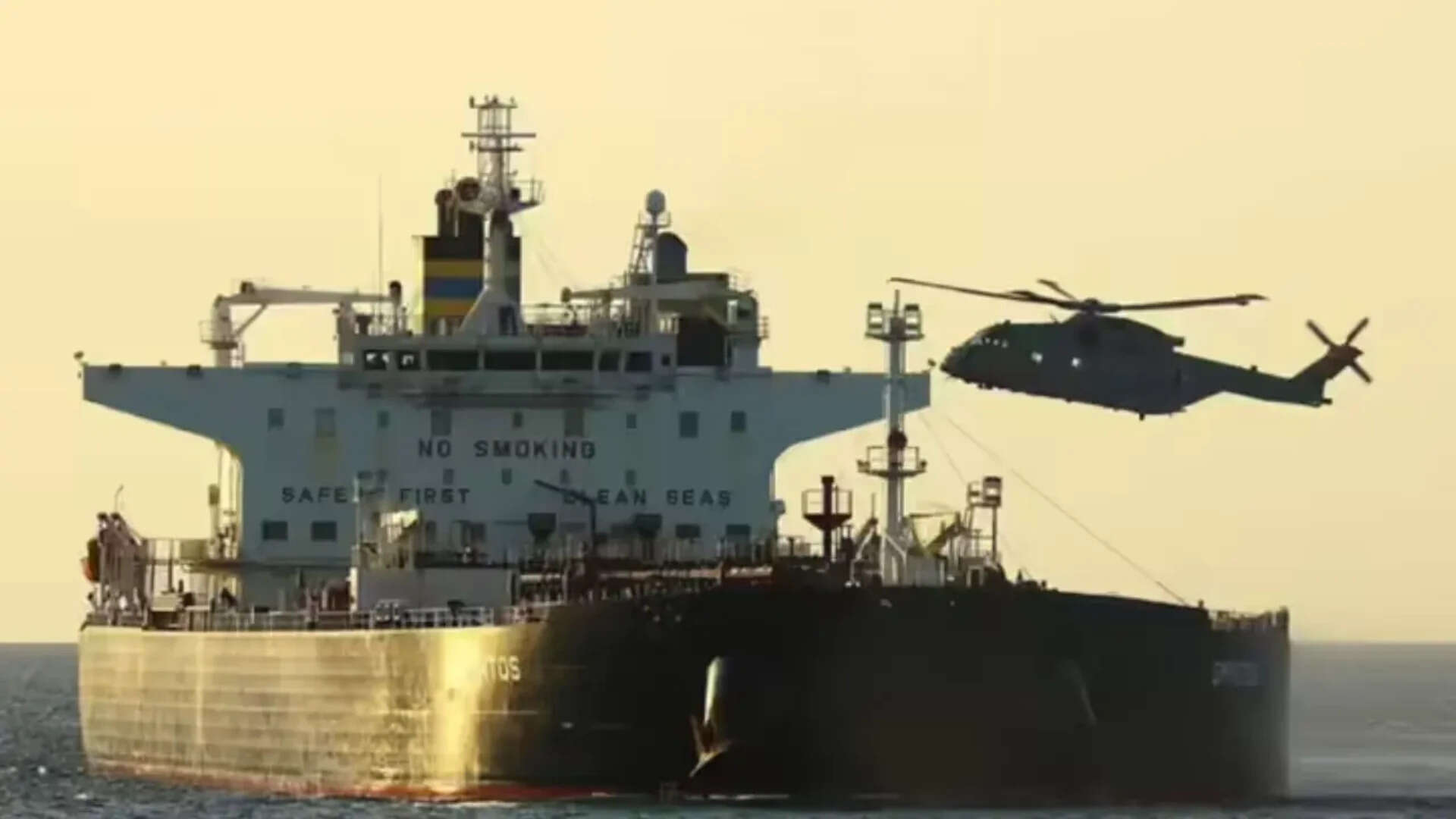
The discharge of small-arms warning shots by the Russian Project 11356R frigate Admiral Grigorovich toward the British-flagged pleasure yacht Bright Future represents a breakdown in tactical communications within one of the world's densest maritime choke points. The incident, occurring 20 nautical miles south of the Isle of Wight, cannot be understood through the lens of a simple civilian-military altercation. It demands an evaluation of asymmetric maritime risk, operational security protocols under high-tension gray-zone conditions, and the failure of standard electronic and acoustic collision-avoidance mechanisms.
When a 4,000-ton surface combatant interacts with a 12-meter sailing vessel in international waters, the encounter is governed by the International Regulations for Preventing Collisions at Sea (COLREGs). Discrepancies between the accounts of the British Ministry of Defence (MoD), the Russian Ministry of Defence, and the yacht's crew expose a dangerous misalignment in tactical situational awareness and threshold definitions for the escalation of force.
The Asymmetric Communication Failure
The friction point between the Admiral Grigorovich and the Bright Future highlights a critical breakdown in the standard maritime communication matrix. Safe transit in international shipping lanes relies on layered redundancy: digital tracking, radio voice communication, acoustic signals, and visual markers. The failure or omission of these layers creates immediate tactical vulnerability.
+-----------------------------------------------------------------+
|                    LAYERED MARITIME TELEMETRY                   |
+-----------------------------------------------------------------+
| 1. COGNITIVE LAYER : AIS Tracking (Active Broadcast)            |
| 2. AUDITORY LAYER  : VHF Radio / Acoustic Horn Blasts           |
| 3. VISUAL LAYER    : Pyrotechnic Flares / Direct Line-of-Sight  |
| 4. KINETIC LAYER   : Small-Arms Warning Fire (Escalation Limit) |
+-----------------------------------------------------------------+
The AIS Blackout
The crew of the Bright Future reported that the Admiral Grigorovich was missing from the Automatic Identification System (AIS). AIS is a automated tracking system using VHF transponders to broadcast a vessel's identity, position, speed, and heading to surrounding ships.
Naval vessels frequently deactivate AIS during operational transits to maintain operational security and obscure their precise electronic signatures from automated open-source tracking networks. This creates a data asymmetry. While the civilian yacht actively broadcasted its position, the warship remained a radar-only target, shifting the entire burden of collision avoidance onto active radar monitoring and physical lookouts.
The Acoustic and Kinematic Timeline
The escalation from passive tracking to kinetic warning fire occurred over a compressed timeline. The structural progression of the encounter reveals how compressed decision windows force rapid escalation:
- Phase 1: Stationary Detection. The yacht identified the frigate visually at a distance of several miles. The warship appeared stationary or drifting, a state later corroborated by Western defense sources suggesting potential propulsion anomalies or mechanical maintenance.
- Phase 2: First Acoustic Warning. At a separation distance of approximately 450 meters (500 yards), the frigate sounded five short blasts on its horn. Under COLREGs Rule 34(d), five short and rapid blasts signal doubt that sufficient action is being taken to avoid a collision. The yacht responded by altering course two degrees to port to signal intent.
- Phase 3: Second Acoustic Warning and Kinetic Escalation. Within a minute of the initial turn, the frigate issued a second sequence of five short blasts, followed immediately by four to five rounds of small-arms fire directed into the air.
This sequence demonstrates an compressed escalation ladder. The Russian command chose to bypass extended bridge-to-bridge VHF radio communications on international maritime hailing frequencies (Channel 16), moving straight from acoustic signaling to live ammunition.
The Psychology of the Twitchy Captain
The operational environment of the English Channel heavily influences the decision-making matrix of a Russian naval commander. The Admiral Grigorovich has spent months operating near the British coast, serving as an armed escort for merchant vessels and tankers identified as part of Russia's crude oil supply chain. This mission takes place in a highly contested environment.
Just 48 hours prior to this encounter, Royal Marines boarded and seized the Russia-linked shadow-fleet tanker Smyrtos near the Isle of Wight for sanctions violations. While the MoD assessed the frigate's subsequent warning shots as an isolated event driven by immediate navigational safety rather than direct state-ordered retaliation, the geopolitical context dictates the warship's defensive posture.
A military commander operating an isolated asset inside a strategic choke point faces a permanent asymmetric threat profile. Small, civilian-flagged vessels can theoretically be used for intelligence collection, asymmetric waterborne improvised explosive device (WBIED) attacks, or electronic sniffing. When a civilian yacht maintains a closing vector toward a drifting warship—narrowing the CPA (Closest Point of Approach) to between 150 and 450 meters—the warship’s command treats the incoming vessel as an unidentified track displaying hostile intent or severe negligence.
The decision to fire small arms rather than main battery munitions confirms a localized, non-state-level escalatory intent. It was a localized enforcement of a dynamic force-protection bubble, designed to force an immediate 90-degree course deviation by the civilian vessel, which was achieved once the yacht engaged its auxiliary diesel engine to clear the area.
Structural Imperatives for Civil Maritime Transits
This incident exposes the vulnerabilities of standard blue-water cruising protocols when intersecting with active military operations. Civilian mariners navigating high-density littoral zones must adapt their operational frameworks to account for military asset anxiety.
Proactive CPA Management
The primary error in civilian navigation during this encounter was the reliance on a marginal visual clearance. In clear visibility, a course change of two degrees is mathematically insufficient to signal clear intent to a stationary radar observer.
Civilian Baseline:  [Maintain Vector] -> [Minor 2-Degree Correction] -> [CPA < 500m] -> Escalate
Defensive Strategy: [Identify Combatant] -> [Radical 45-Degree Turn] -> [CPA > 2000m] -> De-escalate
When a military hull is identified, the civilian vessel must execute early, substantial, and obvious course alterations—minimum 30 to 45 degrees—to alter the projected radar track unambiguously.
Continuous Active Hailing
Civilian vessels cannot assume that military bridge watches are actively monitoring or willing to initiate voice contact. The moment a military asset is spotted with a closing CPA track, the civilian vessel should initiate active VHF hailing on Channel 16, stating their identity, position, and specific navigational intentions. Waiting for the warship to initiate contact creates a dangerous information vacuum.
Ultimately, the confrontation between the Bright Future and the Admiral Grigorovich demonstrates that in modern maritime environments, the line between routine navigation and international incident is razor thin. As gray-zone operations expand in western European waterways, the premium on hyper-clear navigational intent and defensive seamanship becomes absolute. Civilian mariners must treat every unflagged, non-AIS military silhouette as an active hazard zone, expanding their safety margins far beyond standard legal minimums to prevent catastrophic miscalculations.


