State-level denials regarding military assistance obscure the structural reality of modern industrial warfare, where the primary vector of support is no longer finished ordnance, but unflagging inputs of dual-use raw materials. Internal shipping documentation reveals a direct material bridge between Chinese state-owned manufacturing and the sanctioned core of the Kremlin defense apparatus. Examining this architecture requires moving past diplomatic obfuscation to analyze the mechanics of customs classification, material yield coefficients, and the friction points of international trade enforcement.
The mechanism rests on the transshipment of polyacrylonitrile tow, commonly designated as PAN precursor. PAN serves as the indispensable chemical base for producing high-grade carbon-fiber, an asset prized for its high strength-to-weight ratio. Within the military-industrial complex, this fiber forms the structural skeleton and fuel tank reinforcements of long-range explosive drones.
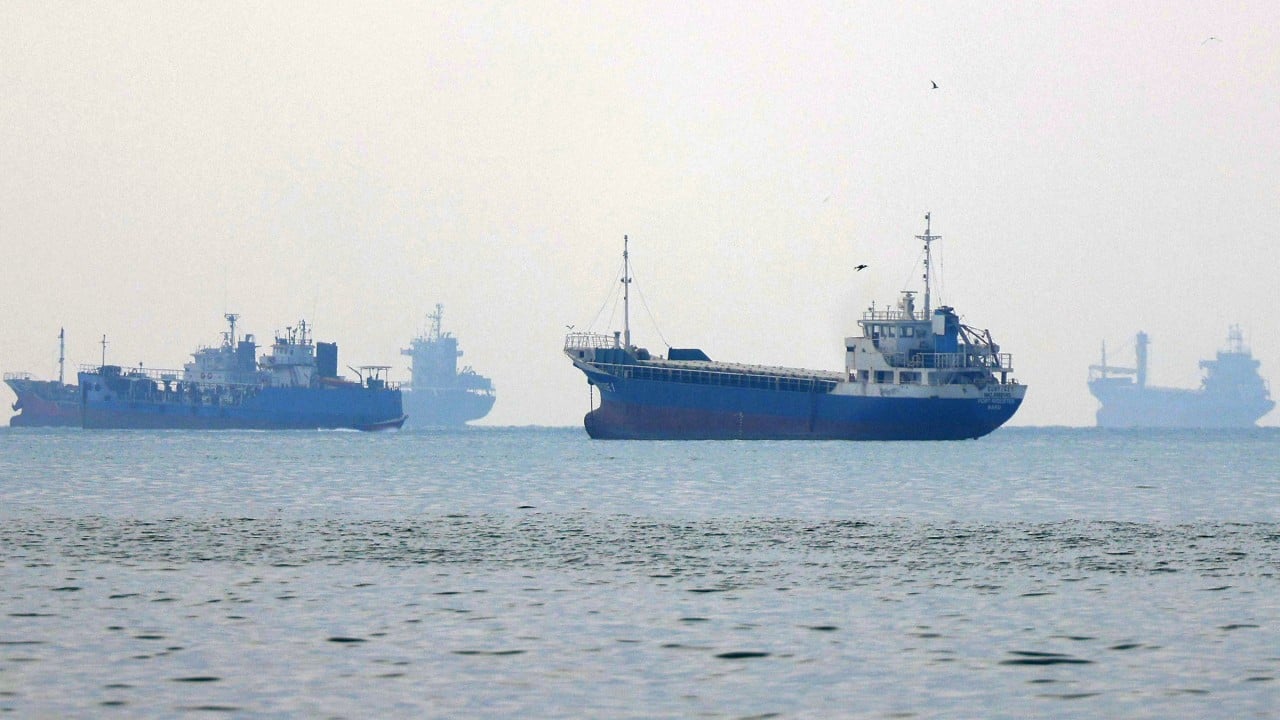
Customs classification acts as the first line of operational obfuscation. Documentation indicates that consignments originating from state-controlled enterprises, such as the Jilin Chemical Fibre Group, enter transit channels under tariff codes reserved for civilian synthetic fibers like standard nylon or polyester. This misclassification exploits structural vulnerabilities in global export control regimes. Standard customs bureaucracies lack the chemical testing capacity at ports of origin to verify molecular weights or precursor specifications of bulk fiber shipments. By utilizing civil-grade Harmonized System codes, state-backed suppliers bypass automated flag systems embedded in maritime logistics software.
The quantitative relationship between raw material input and finished weapons production exposes the scale of this industrial pipeline. A single discrete transfer of forty-six tons of PAN precursor delivered to the Alabuga-Volokno facility in Tatarstan—a subsidiary of the sanctioned state nuclear corporation Rosatom—provides sufficient high-grade material to fabricate structural frameworks for approximately thirteen hundred long-range strike drones. This calculation relies on standard material waste coefficients inherent in wet-spinning and carbonization processes. The conversion rate demonstrates that marginal increases in raw chemical throughput translate directly into theater-level operational capacity, sustaining high-frequency bombardment campaigns against critical infrastructure.
Enforcement agencies face a persistent structural bottleneck when attempting to penalize these supply chains. Western administrative bodies operate on entity-based blacklists. While downstream entities such as Alabuga-Volokno and its parent management are heavily restricted, upstream suppliers frequently operate outside immediate jurisdiction until definitive paper trails emerge. This creates a regulatory lag. By the time trade manifests are intercepted, decrypted, and verified by intelligence services, multiple shipping cycles have already cleared customs, embedding the raw inputs deep into active manufacturing queues.
State responsibility claims from Beijing rely on strict semantic definitions, separating lethal finished goods from non-lethal industrial inputs. State-owned commercial entities function with structural integration into national planning, rendering assertions of complete corporate autonomy implausible within command-leaning industrial economies. The institutional oversight required to move forty-six tons of specialized chemical precursors across international borders precludes accidental or rogue commercial enterprise.
To disrupt this supply vector, regulatory architectures must shift from targeting finished assembly points to implementing mandatory molecular tracking for precursor chemicals. Trade enforcement authorities should require end-use verification certificates for all polyacrylonitrile shipments exceeding industrial thresholds, tying customs clearance directly to verifiable facility audits rather than self-reported classification codes. Without this operational pivot, sanctions will remain reactive artifacts, trailing far behind the dynamic adaptability of state-backed industrial supply networks.
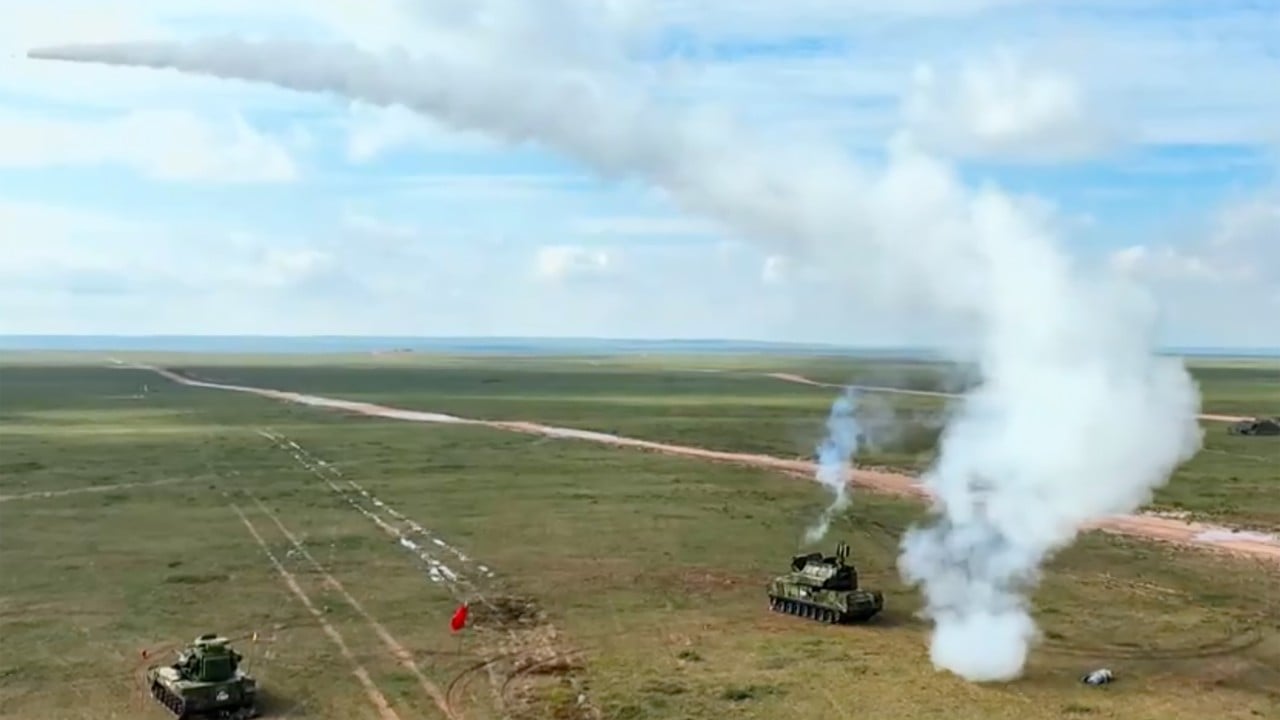
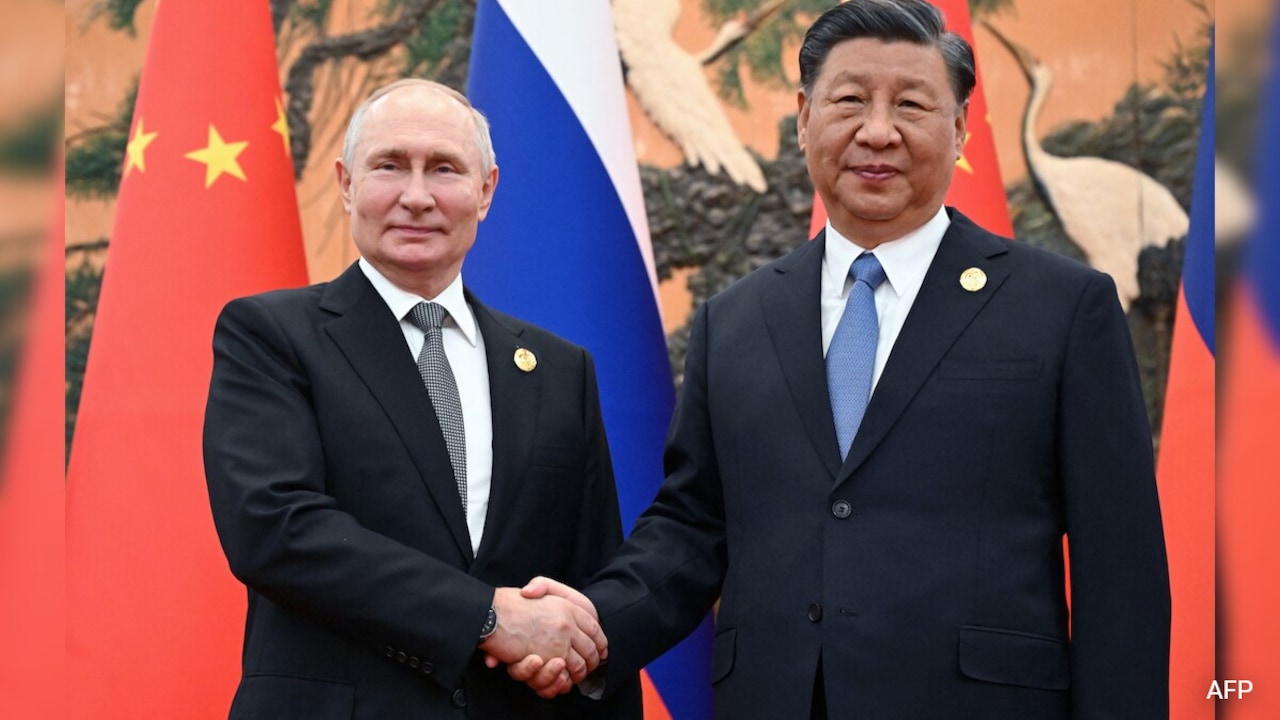
China-Russia Drone 'Link' Exposed: 1,300 Kamikaze Drones 'Supplied From Secret Pipelines' | WATCH
This video provides visual context and deepens the investigation regarding the secret shipping pipelines and the specific logistical documents detailing the transfer of drone materials from Chinese state firms to Russian facilities.