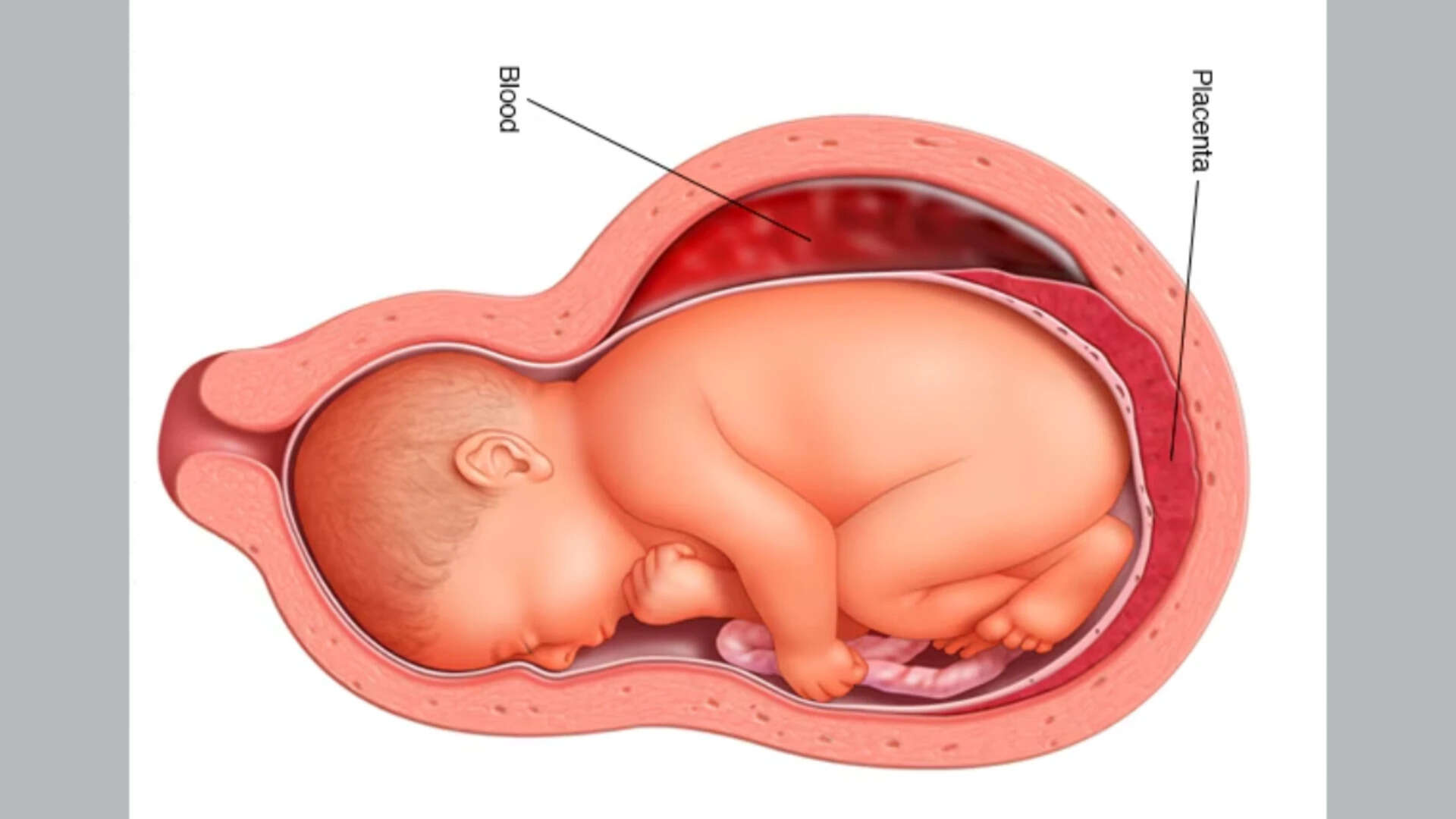
The global illicit trade in human organs relies on a predictable economic asymmetry: the desperate demand of wealthy buyers intersecting with the profound vulnerability of impoverished donors. However, a newly dismantled transnational smuggling corridor operating between Pakistan and Southeast Asia reveals a highly sophisticated variant of this trade—bio-waste arbitrage. By weaponizing systematic gaps in hospital waste management, an organized syndicate successfully diverted, processed, and exported hundreds of kilograms of human placentas monthly.
This operation did not rely on violent abductions or clandestine surgeries. Instead, it converted highly regulated, infectious biomedical waste into high-margin luxury cosmetics. Deconstructing this network requires analyzing its underlying supply chain mechanics, the economic transformation of the raw material, and the institutional vulnerabilities that enabled its multi-year survival.
The Cost Function and Margin Multipliers
The economic viability of this syndicate rested on an extraordinary margin multiplier driven by asymmetrical market valuations between South Asia and premium cosmetic markets in East and Southeast Asia. The syndicate’s financial structure functioned on a three-stage value-added architecture.
Stage 1: Sourcing and Capital Expenditure
Operating across public and private hospitals in Islamabad, Rawalpindi, Lahore, and Peshawar, the network utilized low-level facility staff to intercept postpartum placentas before they entered authorized bio-waste disposal streams. The acquisition cost was fixed at approximately 800 Pakistani Rupees (PKR) per unit. Because the material was classified as clinical waste, the syndicate faced zero conventional manufacturing input costs; the raw material was effectively stolen or purchased via micro-bribes.
Stage 2: Processing and Volumetric Reduction
Raw human placentas consist primarily of water, maternal blood, and cellular tissue. Transporting raw tissue internationally introduces extreme logistical friction, including the need for continuous cold-chain logistics and an elevated risk of biological decay. To mitigate these risks, the syndicate established a specialized processing plant concealed within a residential property in Islamabad's F-7 sector.
The facility utilized industrial dehydration machinery to strip moisture from the tissue, transforming it into a stable, easily transportable powder or dried sheets. This process achieved a massive volumetric and weight reduction, consolidating the output of multiple hospitals into highly concentrated batches. The finished product was packaged under the deceptive commercial label "She Placenta" to bypass standard customs protocols.
Stage 3: The Retail Premium
Once smuggled into final destination markets like Vietnam, the processed material was integrated into the supply chains of alternative wellness and premium cosmetic manufacturers. The primary end-product took the form of anti-aging injections and stem-cell therapies. While a single raw placenta was procured for less than $3 USD (in equivalent PKR), the final processed injections retailed for as much as 700,000 PKR (approximately $2,500 USD) per dose. This represents a value-generation factor exceeding 80,000% from source to retail.
Structural Vulnerabilities in the Biomedical Supply Chain
The syndicate could not have sustained a monthly throughput of 200 kilograms without severe operational failure points within the regional healthcare infrastructure. This systemic breakdown occurred across three distinct defensive layers.
[Hospital Labor Force] ---> Intercepts Waste via Micro-Bribes
           │
           ▼
[Biomedical Waste Stream] -> Failure of Chain-of-Custody Tracking
           │
           ▼
[Customs & Export Port] ---> Exploitation of Mislabeled Commercial Cargo
The Chain-of-Custody Failure
In standard medical frameworks, the placenta is categorized as highly infectious biomedical waste. Legally, its disposal requires a strict chain of custody: hospitals must secure maternal consent for any non-standard disposal, log the biological weight, and transfer the material to government-approved waste management firms for high-temperature incineration. The syndicate bypassed this by co-opting the lowest tiers of the hospital labor force. Because waste logging protocols in public wards are frequently paper-based or poorly audited, staff could falsify disposal logs, reporting biological material as incinerated while diverting it to syndicate couriers.
Regulatory Blind Spots in Organ Legality
The legal framework governing this sector—the Human Organ and Tissue Transplantation Act—is heavily optimized to detect and prevent the illegal sale of kidneys, livers, and corneas. These procedures require live donors, matching blood types, and complex surgical theatres. The law did not sufficiently anticipate the industrial-scale harvesting of discarded gestational tissue. Because the extraction occurs post-birth without injuring a living donor, the trade existed in a regulatory blind spot where hospital administrative staff viewed it as a low-risk, high-reward infraction rather than a severe violation of human tissue trafficking laws.
Export Vulnerability and Mislabeling Mechanics
The final operational hurdle for the syndicate was clearing international customs at major transport hubs, including Islamabad International Airport. A 100-kilogram consignment of raw human tissue would immediately trigger biological safety alarms. The syndicate neutralized this threat through a dual strategy of mechanical transformation and customs fraud. By drying and powdering the tissue, they removed the immediate olfactory and visual cues of human remains. They then misdeclared the cargo as animal products—specifically sheep placenta—which faces significantly lower regulatory scrutiny and is widely traded legally within the international cosmetics industry.
Biosecurity Risks and Epidemic Potential
Beyond the clear legal and ethical violations, the operations of this syndicate introduced profound systemic biosecurity risks. The illegal processing facility lacked the sterile infrastructure mandatory for handling human biologics, creating a dangerous vector for disease transmission.
Human placentas are deeply vascular organs that carry the precise viral and bacterial profile of the source patient. In an unregulated, unmonitored processing facility, material from dozens of different donors is combined. This environment creates an ideal acceleration vector for blood-borne pathogens, including Hepatitis B, Hepatitis C, and HIV.
Furthermore, the low-temperature dehydration methods typically used by illicit operations to preserve tissue weight do not achieve the sterilization temperatures required to destroy heat-resistant prions or bacterial spores. When these unsterilized derivatives are subsequently processed into anti-aging serums and injected directly into consumers, the traditional protective barriers of the human digestive tract are entirely bypassed, introducing contaminated biological structures directly into the recipient's bloodstream.
Defeating the Bio-Waste Leakage Vector
To permanently close the structural loopholes exploited by networks of this nature, administrative and regulatory frameworks must shift from an enforcement-led reactive model to an automated, auditable compliance system.
Hospitals must eliminate manual, paper-based logging for biological waste. The deployment of weight-verified, tamper-evident biometric disposal bins at the ward level is critical. When a placenta is removed, it must be weighed and sealed immediately in a container featuring a serialized RFID tag. This tag must be digitally reconciled against the waste management company’s receipt at the incineration site. Any mass discrepancy between the ward log and the incinerator manifest must trigger an automated compliance lock, isolating the shift personnel for immediate audit.
Simultaneously, customs authorities must upgrade their screening protocols for organic exports. Relying on paper declarations for dried animal extracts creates an open invitation for fraud. Port authorities should implement routine, rapid protein-testing protocols or PCR-based screening for bulk organic shipments destined for manufacturing hubs in Southeast Asia. This ensures that any biological material declared as livestock can be verified as non-human within minutes, completely dismantling the mislabeling strategy that serves as the lifeblood of transnational bio-arbitrage syndicates.
The Samaa TV News Report offers an investigative broadcast documenting the law enforcement raids on the illegal processing facilities and detailing the initial arrests made by the Federal Investigation Agency.