The literary world trusts an unwritten contract. You sit alone with a blank page, sweat over sentence structures, and pour human experience into ink or pixels. But what happens when that trust shatters overnight?
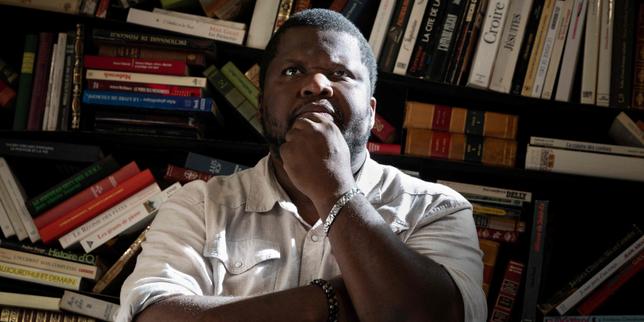
That is the reality writers and publishers are currently forced to confront. The recent controversy surrounding author Thélyson Orélien and his novel C'était ça ou mourir exposed raw nerves across the publishing industry. When allegations surfaced that artificial intelligence played a role in the book's creation, the fallout was swift. Les Éditions du Boréal, his Canadian publisher, immediately pulled the brakes on his promotional tour, dropped further print runs, and ultimately cut ties entirely. Meanwhile, the prestigious Académie Goncourt quietly dropped the book from its selection.
This isn't just a isolated scandal about one author. It's a seismic warning shot for the entire creative community.
The Breaking Point of Literary Trust
Readers don't just buy paper and glue. They buy a connection to another human mind. When you open a novel, you expect lived emotion, genuine struggle, and authentic voice.
When anonymous sleuths on social media platforms—such as the account Balance ton Claude—began dissecting texts and accusing authors of leaning too heavily on machine generation, the industry panicked. Publishers found themselves completely unequipped to handle the nuance. Do you test manuscripts with automated detectors that often throw false positives? Do you rely on confession? Or do you issue blanket bans the moment an online mob smells smoke?
Boréal found itself caught in this exact trap. Faced with intense public scrutiny and a fractured relationship of trust, they chose containment. Yet, dropping an author doesn't solve the structural crisis. It only highlights how fragile the current publishing model is in the face of rapidly evolving generative tools.
Why the Rules of Writing Just Changed Forever
We've entered an era where anyone can prompt a language model to draft a 300-page manuscript in minutes. The barrier to entry for producing text has dropped to zero. But the value of literature was never about the physical accumulation of words. It was about authenticity.
When creators cut corners, they risk losing everything. But the blame doesn't rest solely on individual writers chasing output in a hyper-competitive market. Traditional publishing houses have spent decades demanding faster turnaround times, heavier workloads, and constant promotional hustle from authors. When you pressure creative minds to produce at industrial speeds, some will inevitably reach for shortcuts.
Other major houses are already reacting. Some French publishers have started exploring detection software to screen incoming submissions. Authors now face an uncomfortable reality. Every sentence they write can and will be scrutinized not just by human editors, but by paranoid readers looking for algorithmic fingerprints.
What Happens When the Smoke Clears
The fallout from the Orélien case leaves deep scars. It forces a harsh reckoning about transparency, authorship, and the ethics of creation.
If you write for a living, you need to protect your process. Keep your drafts, track your revisions, and understand that skepticism is the new baseline. Readers are paying attention. Publishers are terrified of backlash.
The machinery of literature stopped running on pure inspiration a long time ago. Now, it's running on proof. And if you can't prove you actually wrote your own story, you might find your career suspended before you even reach the final chapter.