Flamingos became the unlikely mascot of a street uprising in Tirana. That alone tells you how much Albania's political mood shifted in 2026.
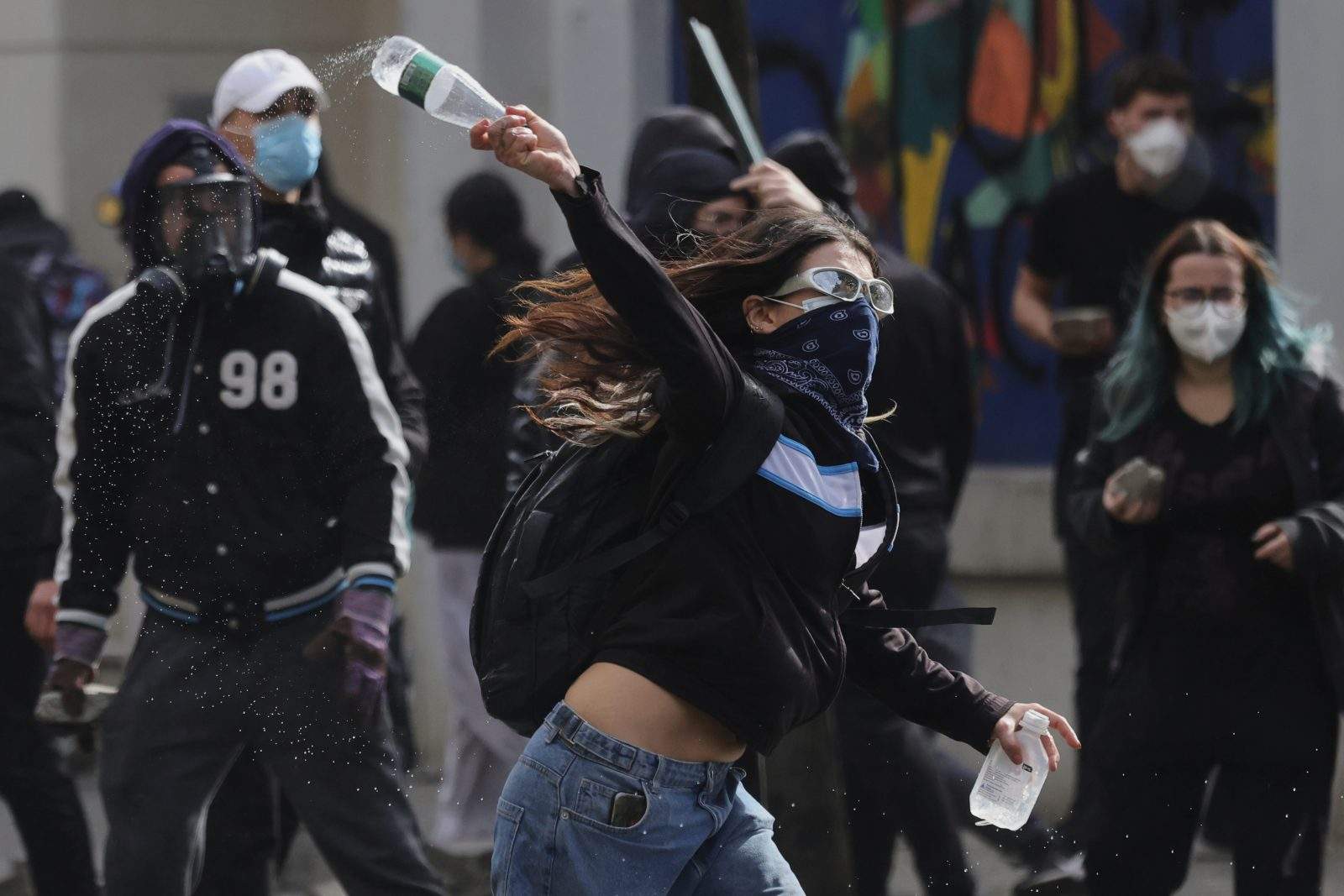
What started in mid-May as localized anger over bulldozers, fencing, and coastal tourism plans linked to Jared Kushner and Ivanka Trump quickly snowballed into sustained anti-government protests across Albania. Thousands of people marched in Tirana night after night. Demonstrators carried inflatable flamingos and cutouts—a nod to the greater flamingos living in the protected Vjosa–Narta wetland ecosystem—turning a coastal real estate fight into a broader reckoning over corruption, public land, and Prime Minister Edi Rama's hold on power.
Honestly, if you look closely at what happened, the resort plans acted like a spark dropped onto dry tinder. Albanians were already frustrated by rising housing costs, concentrated wealth, and backroom-style deals that felt closed off to everyday citizens. When heavy machinery showed up near protected coastal areas without clear public consultation, people saw a much bigger pattern.
How Albania Protests Tied Coastline Plans to Corruption
To understand why these Albania protests didn't fade after a single weekend, you have to separate the physical site from the political symbol. Outwardly, the dispute centered on luxury tourism concepts tied to Kushner and Ivanka Trump involving areas like Sazan Island and the Zvërnec / Vjosa–Narta stretch along Albania's Adriatic coast. Investors framed the vision around high-end hospitality and attracting major international capital into Albania's tourism economy.
Critics and protesters saw something very different. For many locals, Sazan Island isn't just raw real estate; it's a wild, uninhabited coastal landmark tied to national memory and free public access. Nearby, the Vjosa–Narta lagoon supports roughly 250 bird species and sits inside a nationally protected landscape. When residents reported seeing roads cleared, dunes disturbed, and land fenced off, anger surged.
"This government no longer represents us. It has chosen to represent oligarch investors like Ivanka Trump and Jared Kushner." — Protester quoted by The Guardian
That quote captures the real shift. Early demonstrations focused on environmental protection and local property or access concerns. Within weeks, crowds outside the prime minister's office in Tirana were chanting against political favoritism, "dirty money," and a ruling class treating public or contested land like private inventory. Even when temporary pauses or site disputes occurred around Zvërnec, demonstrators kept showing up because their grievance had widened into a demand for government accountability.
Why the Backlash Hit So Hard at Home
Most outsiders reading headlines about a billionaire-linked resort proposal assume the pushback is purely about foreign investors. That misses half the story.
In Albania, housing affordability has been squeezed hard over the past decade. Young professionals and working families watch property prices climb while feeling locked out of economic mobility. When a high-profile foreign development promises massive luxury footprints along prized coastline, locals worry the shoreline will become gated off for wealthy outsiders rather than accessible to the people who live there.
There's also a credibility problem. Prime Minister Edi Rama, in office since 2013, has pushed an aggressive development and international branding agenda. Supporters argue big foreign investments signal confidence in Albania and bring money into the country. Opponents argue that fast-tracked permits, opaque planning, and clashes between protesters, security guards, or police erode trust in state institutions.
Kushner has publicly pushed back against claims of preferential treatment while outlining multi-billion-euro investment ambitions and addressing environmental questions around Zvërnec. Meanwhile, Albanian authorities have stated that certain preparatory works had permits and environmental filings, even as environmentalists and legal advocates challenged how protected status and rules were handled. That clash of narratives—official paperwork vs. grassroots distrust—is why the issue stayed volatile.
Ecology, EU Ambitions, and Legal Friction
Environmentalists didn't just argue that a resort looks out of place next to a lagoon. They argued the stakes reach into Albania's European future.
Legal advocates and conservation groups pointed out that areas tied to the Vjosa–Narta ecosystem carry serious ecological value and overlap with conservation standards aligned with the European Union's Natura 2000 framework. Albania isn't an EU member yet, and accession depends heavily on rule of law, transparent governance, and environmental compliance. When critics warn that rushing sensitive coastal projects could collide with domestic or European environmental rules, they aren't just talking about birds and dunes. They're pointing to potential legal bottlenecks and diplomatic friction in Brussels.
Let's be real, though. Balancing tourism growth with conservation is tough in almost every Mediterranean country. Small economies want foreign capital, jobs, and infrastructure. The mistake governments repeatedly make is treating public transparency and environmental review as speed bumps rather than guardrails. Once locals suspect rules are being bent for connected projects, every bulldozer looks like proof of corruption.
What People Get Wrong About This Movement
A few misconceptions pop up whenever international news covers protests like these:
- It's not just anti-American or anti-Trump. While Kushner and Ivanka Trump drew global attention because of their U.S. political profile, the core anger inside Albania was aimed squarely at domestic governance, perceived corruption, and how the government manages public resources.
- It didn't start as a polished opposition party rally. Many early participants were residents, environmental activists, and everyday citizens frustrated by lack of information and sudden site work, later joined by wider Tirana crowds, diaspora supporters, and student-led momentum.
- Tourism itself isn't the villain. Most Albanians want a healthy tourism sector. What they pushed back against was secretive execution, ecological risk in sensitive habitats, and privatization that feels like it excludes locals.
Practical Ways to Track What Happens Next
If you're following this story—whether as an investor, researcher, traveler, or engaged observer—don't rely on single-day protest counts alone. Watch concrete markers instead:
- Check court filings and environmental rulings. Legal challenges over protected zones and permitting rules carry real weight because courts can halt or reshape projects regardless of political speeches.
- Watch EU and international scrutiny. Signals from European institutions regarding rule of law, transparency, and environmental standards often pressure governments more than domestic opposition alone.
- Follow local reporting and site updates. Independent Albanian outlets, municipal decisions, and verified construction pauses or restarts show what is actually happening on the ground versus what gets announced in interviews.
- Separate rhetoric from binding contracts. Look for disclosed land titles, environmental impact assessments, and formal approvals rather than broad investment figures floated in media appearances.
The coastal debate in Albania shows how quickly a single real estate dispute can turn into a referendum on trust. Until transparency and environmental safeguards catch up with big-ticket development plans, the street protests won't just be about concrete and sand—they'll be about who gets a say in Albania's future.
Protests continue against Albania's government over a Kushner-linked resort project provides helpful on-the-ground reporting on the coastal dispute and how opposition to the planned development escalated into wider anti-government demonstrations.