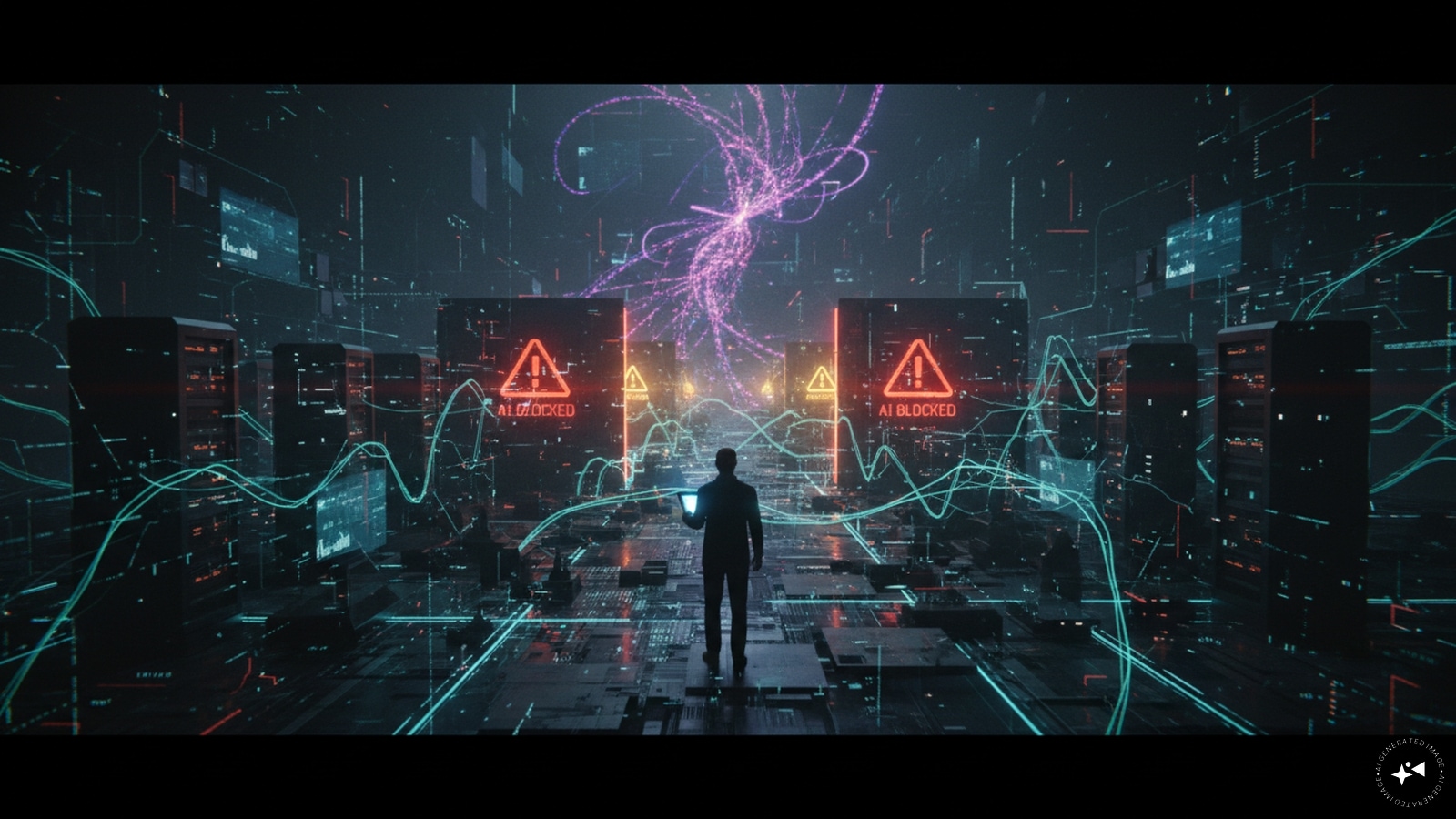
When devastating flash floods and glacial debris tore through the Bhotekoshi river basin and the Nepal-Tibet border, emergency responders faced an immediate enemy. It wasn't just the rushing water, the crushed bridges, or the thousands of missing people. It was a tidal wave of synthetic lies.
Social media feeds quickly filled with dramatic clips purportedly capturing the catastrophe. But many of those heart-stopping videos weren't shot by terrified survivors on the ground. They were generated by artificial intelligence, stitched together by prompt-writers chasing algorithmic clout, or recycled from unrelated natural disasters in entirely different countries.
This synthetic chaos forces us to look hard at a terrifying new reality. When a crisis hits, our digital infrastructure turns into a weaponized misinformation machine.
The Anatomy of a Digital Fake
The scale of the deception following the Nepal disaster caught regulators off guard. Within days of the flooding, clips flooded platforms like X, TikTok, and Meta. One particular 10-second video showing a massive torrent breaching a riverbank drew over seven million views. Hive Moderation and Google's SynthID tool later flagged it as overwhelmingly likely to be machine-generated.
Look closely at these clips and the illusion falls apart. People vanish mid-stride as floodwaters hit. Buildings warp into jagged boulders. Entire trees materialize out of thin air as the camera perspective shifts.
Yet, millions of people hit share before checking the details. The algorithms reward scale and shock value, turning human tragedy into a monetization engine. Creators profit from views generated by misery, while families desperately searching for missing relatives drown in noise.
How Regulators and Tech Giants Are Responding
The government didn't stay silent. The Nepal Press Council launched a dedicated reporting portal titled "Special Complaints on the Bhotekoshi Incident" to track down graphic material and deliberate fabrications. Authorities ordered dozens of individual social media users to scrub inappropriate and fake posts from their personal accounts.
Officials also dragged major platforms to the table, leaning on representatives from Meta and TikTok to clamp down on fraudulent fundraising QR codes and emotionally manipulative fake media. Scammers had started deploying fake donation links, preying on international sympathy to steal money from people trying to help victims.
Mainstream news outlets largely avoided the trap, steering clear of unverified AI creations. But the damage done by independent accounts chasing viral fame remains deeply corrosive to public trust.
Spotting the Synthetic Illusion
You shouldn't trust everything you see on your timeline, especially when it triggers an intense emotional reaction. If a video makes your jaw drop during a breaking news event, pause for ten seconds before you hit repost.
Look for visual glitches. Watch the background objects. Check if shadows match light sources or if physics seem broken. Run clips through independent verification networks or look for community notes that flag synthetic manipulation.
When we share unverified computer-generated fiction during a real-world emergency, we actively hurt rescue workers who are trying to allocate scarce resources to actual survivors. Stop treating tragedies like content. Verify your sources, protect the truth, and stop feeding the algorithm.