You can’t make this stuff up. Afroman, the guy who gave us the ultimate slacker anthem "Because I Got High," just pulled off one of the most brilliant legal counters in modern history. After years of back-and-forth drama with the Adams County Sheriff’s Office in Ohio, a jury finally decided that the rapper was well within his rights to mock the officers who kicked in his door.
On Wednesday, March 18, 2026, the jury returned a verdict that basically told the police: if you don’t want to be the star of a viral diss track, maybe don't conduct a fruitless raid on a celebrity’s house.
The raid that launched a thousand memes
This whole saga started back in August 2022. Imagine sitting at home—or in Afroman’s case, being away while your wife and kids are there—and having half a dozen rifle-wielding deputies bust down your front door. The warrant cited "narcotics and kidnapping." It sounded like the plot of a gritty crime thriller, but the reality was much more absurd.
The police found zero drugs. They found zero kidnapping victims. What they did find was a lemon pound cake sitting on the kitchen counter.
Afroman, whose legal name is Joseph Foreman, didn't just get mad. He got creative. He took the footage from his own home security cameras and his wife’s phone and turned it into a series of music videos. The standout hit, "Lemon Pound Cake," featured a deputy staring longingly at the dessert while holding a service weapon. It was peak internet comedy, but the cops weren't laughing.
When the hunters became the plaintiffs
In 2023, seven members of the Adams County Sheriff’s Office sued Afroman for $4 million. Their argument? They claimed the rapper used their likenesses without permission and caused them "humiliation, ridicule, and mental distress." One deputy even testified that her child was teased at school because of the videos.
They weren't just mad about the songs; they were mad about the merch. Afroman started selling T-shirts with the officers' faces on them. He was literally funding his house repairs—fixing the door and gate they broke—with the proceeds from their own recorded images.
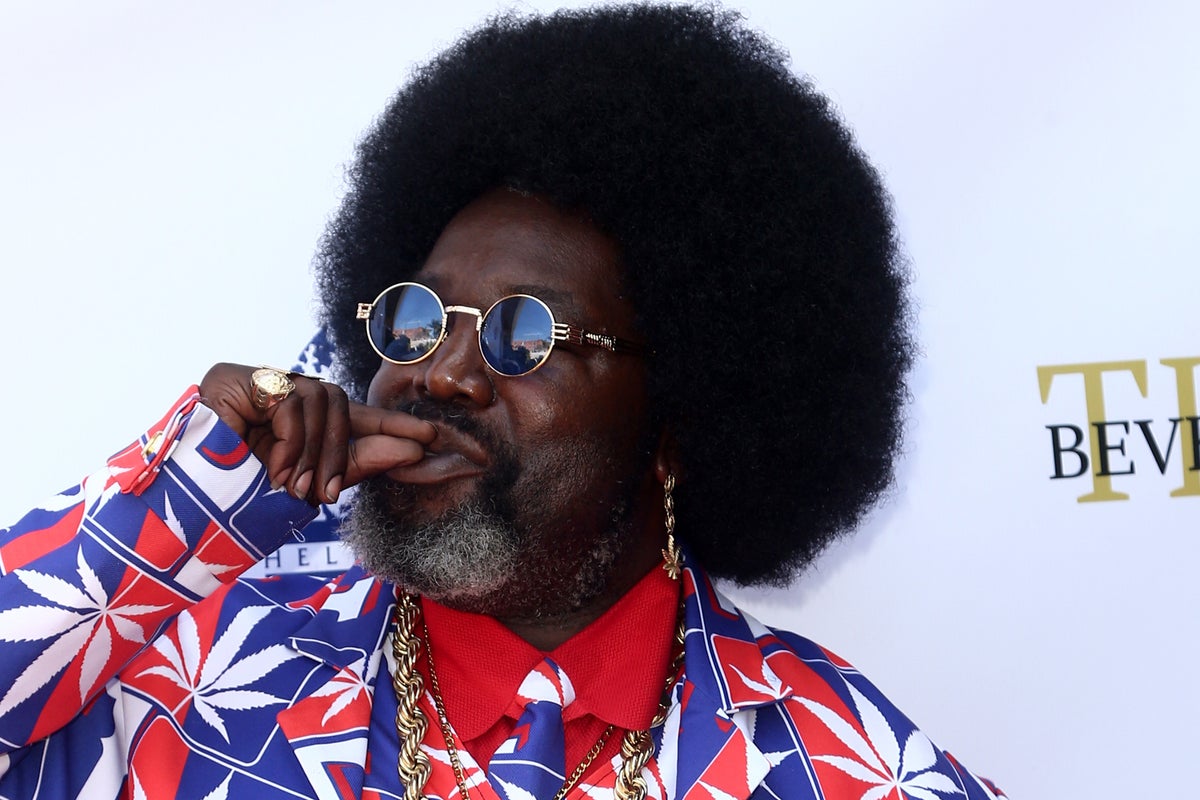
The trial lasted three days in a southern Ohio courtroom. Afroman showed up in a red, white, and blue American flag suit, looking every bit the patriotic rebel. His defense was simple: the First Amendment exists.
Why the jury sided with the rapper
The case really came down to whether a public official can claim an invasion of privacy while performing their official duties in someone else’s home. Honestly, it’s a terrifying thought if the answer had been "yes."
Afroman’s lawyer, David Osborne, hit the nail on the head during closing arguments. He pointed out that no reasonable person expects a police officer to be immune from criticism. If you’re a public servant, you’re subject to public scrutiny. That’s the deal.
The jury agreed. They found Afroman not liable on all 13 claims. When the verdict was read, the rapper was visibly emotional, later shouting "Freedom of speech!" to cameras outside the courthouse. He’s right to celebrate. If he had lost, it would’ve set a dangerous precedent where any government official could sue you for filming them doing their job poorly.
The missing 400 dollars and the "crooked" label
One of the spicy parts of this trial involved Afroman calling the deputies "crooked." He alleged that after the raid, $400 of his cash was missing. The police claimed it was a "miscount," but Afroman didn't buy it. He put those allegations right into his lyrics.
The deputies tried to argue this was defamation. But in the world of parody and social commentary, you have a lot of wiggle room. You’re allowed to express an opinion based on your experience. If $400 disappears from your dresser after a raid where they found nothing, calling them "crooked" is a pretty standard reaction.
What this means for your rights
This isn't just about a rapper and some pound cake. It’s about the power dynamic between citizens and the state.
- Your cameras are your best witnesses. Without that high-def security footage, Afroman would’ve just been another guy complaining about a raid. The footage turned it into a national conversation.
- Public officials aren't celebrities. They don't have "right of publicity" protections when they’re executing a warrant. They’re working for us.
- Parody is a shield. Turning trauma into art isn't just a coping mechanism; it’s a protected form of speech.
Afroman didn't just win a lawsuit; he proved that you can fight back against heavy-handed policing using nothing but the truth and a catchy beat. He used the very tools they used to intimidate him—their presence, their weapons, their badges—and flipped the script.
If you ever find yourself in a situation where you feel your rights are being stepped on, document everything. Use your phone. Use your security system. And if you’re talented enough to write a hit song about it, even better.
Check your own home security settings today. Make sure your cloud backups are active and your "privacy" zones aren't accidentally blocking the areas where a front door breach would happen. You never know when you might need that footage for more than just catching a porch pirate.
.jpg?width=1200&auto=webp&trim=0%2C0%2C0%2C0)