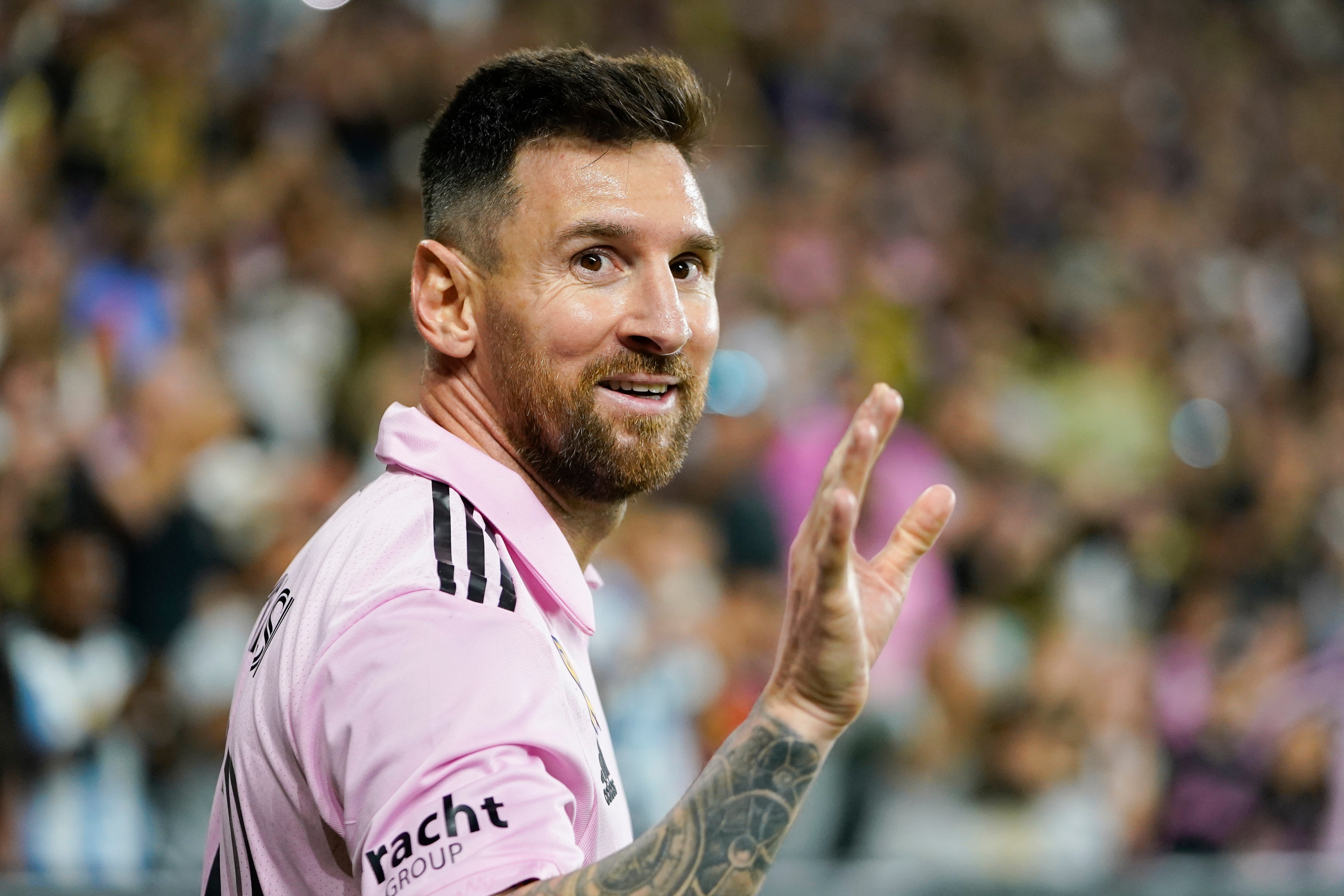
The headlines are officially locked in. Achraf Hakimi is going to trial.
On June 19, 2026, the Versailles Court of Appeal made it clear that the 27-year-old Morocco captain and Paris Saint-Germain star will face a French judge over rape allegations dating back to 2023. This is not just another piece of standard football gossip. It is a seismic shift in how the legal system deals with elite athletes. The decision dropped at a chaotic moment, right while Hakimi was in the middle of preparing for Morocco's second group match against Scotland at the 2026 World Cup.
You might think you know everything about this case because it has dragged on for over three years. You don't. The real story here is about how the French legal framework operates under massive public scrutiny, how a high-profile athlete attempts to use the court of public opinion, and what this means for accountability in men's football.
The Core Accusation That Refuses to Disappear
Let's look at the actual facts of how we got here. In February 2023, a 24-year-old woman went to a police station in the Val-de-Marne area, just southeast of Paris. She didn't file a formal complaint initially, but the prosecutor's office stepped in anyway due to the severity of the claim. She stated she met Hakimi on Instagram in January of that year. A few weeks later, she took a taxi to his home in Boulogne-Billancourt, outside Paris—a ride allegedly ordered and paid for by Hakimi himself.
Once there, the accuser alleges that Hakimi crossed legal lines. She claimed he kissed her, touched her without consent, and ultimately raped her. According to her statement to the police, she managed to free herself by pushing him away and texting a friend to come pick her up.
By March 2023, French authorities formally charged Hakimi with rape and placed him under judicial supervision. He was allowed to leave the country, continue playing for PSG, and captain his national team. But behind the scenes, the legal machinery kept turning. In February 2026, a public prosecutor recommended that the case go to a full trial. Hakimi's legal team immediately filed an appeal to get the case thrown out. That appeal was just firmly rejected.
The Strategy Behind Hakimi's Defense
Hakimi isn't staying silent anymore, and his defense strategy is incredibly aggressive. Right after the Versailles court delivered its ruling, the right-back took to social media to blast the decision. He went directly after the system, claiming that a judge told him he was only being targeted because of his status. "The justice system looked me in the eye and said, 'If you weren't famous, there would never have been a case,'" he wrote.
His lead attorney, Fanny Colin, has spent months trying to dismantle the accuser's credibility. The defense argues that the entire prosecution rests on a single person's word. They claim the accuser actively obstructed the investigation by refusing to undergo standard medical examinations, declining DNA testing, and refusing to hand over the names of key witnesses who could corroborate her timeline.
It's a classic legal playbook: lean hard into the narrative that a global sports celebrity is the victim of a setup. Hakimi has maintained his innocence from day one. He says he actually wants the trial to happen now because it's his only chance to clear his name permanently.
The Accuser's Perspective and the Football Problem
On the flip side, the lawyer representing the accuser, Rachel-Flore Pardo, paints a completely different picture. For her client, this decision ends more than three years of agonizing legal limbo. Pardo released a statement noting that the ruling brings "a sense of relief and hope."
But she didn't stop there. She pointedly framed this case as part of a much larger crisis within professional sports. Pardo stated she hopes the trial will help "further weaken the fortress of denial and impunity surrounding sexual violence, including within the world of men's football."
She's pointing at a very real culture. For decades, major clubs and national federations have treated serious off-field allegations as public relations problems to be managed rather than criminal matters to be investigated. Hakimi has continued to play at the highest level—winning trophies with PSG and leading Morocco on the pitch—while this cloud hung over his head. The fact that he is currently starting matches at the 2026 World Cup while facing an active rape indictment shows exactly how the sport handles these situations. The games keep happening. The money keeps flowing.
How the French Judicial System Forces a Trial
People often misunderstand how French criminal law functions compared to the US or UK systems. In France, an investigative judge spends months, sometimes years, independently gathering evidence, interviewing witnesses, and examining digital records. They don't just rely on what the police hand them.
When the Versailles appeals court rejected Hakimi's bid to dismiss the case, they weren't declaring him guilty. They were validating the work of the investigative judge. The court ruled that the threshold of "sufficient evidence" had been met to warrant a full, formal trial in front of a criminal court.
In France, a rape trial of this nature is heard by a specialized court, often without a traditional jury, relying instead on a panel of professional judges. This cuts through the emotional theatricality often seen in American courtrooms. The focus will be entirely on the digital footprints, the timeline of the taxi ride, the Instagram messages leading up to the night, and the statements given during the initial interviews.
What Happens on the Pitch and the Next Legal Steps
So, where does this leave Hakimi right now? Legally, no official date has been set for the trial. It will take time for the French courts to schedule the proceedings, meaning Hakimi will likely finish his current international duties before stepping into a courtroom.
If you're looking for immediate action, watch how Paris Saint-Germain and the Moroccan football federation handle his availability moving forward. Up to this point, both organizations have offered unwavering support, choosing to lean heavily on the presumption of innocence. But a confirmed trial changes the corporate calculus. Sponsors get nervous. Media obligations become incredibly awkward.
The next step is for the judicial court to finalize the trial calendar. Hakimi will have to return to France to face the panel of judges. If convicted, he faces a significant prison sentence under French law, which treats sexual violence with extreme severity. If acquitted, he will have the legal vindication he claims he wants. Either way, the era of football stars completely avoiding accountability through wealth and fame is hitting a massive wall in Paris.
If you are following this case, stop looking at the social media statements or the club press releases. Focus entirely on the upcoming schedule of the Versailles criminal court. The real answers won't be found in a post on Instagram; they're going to come from the official trial transcripts.