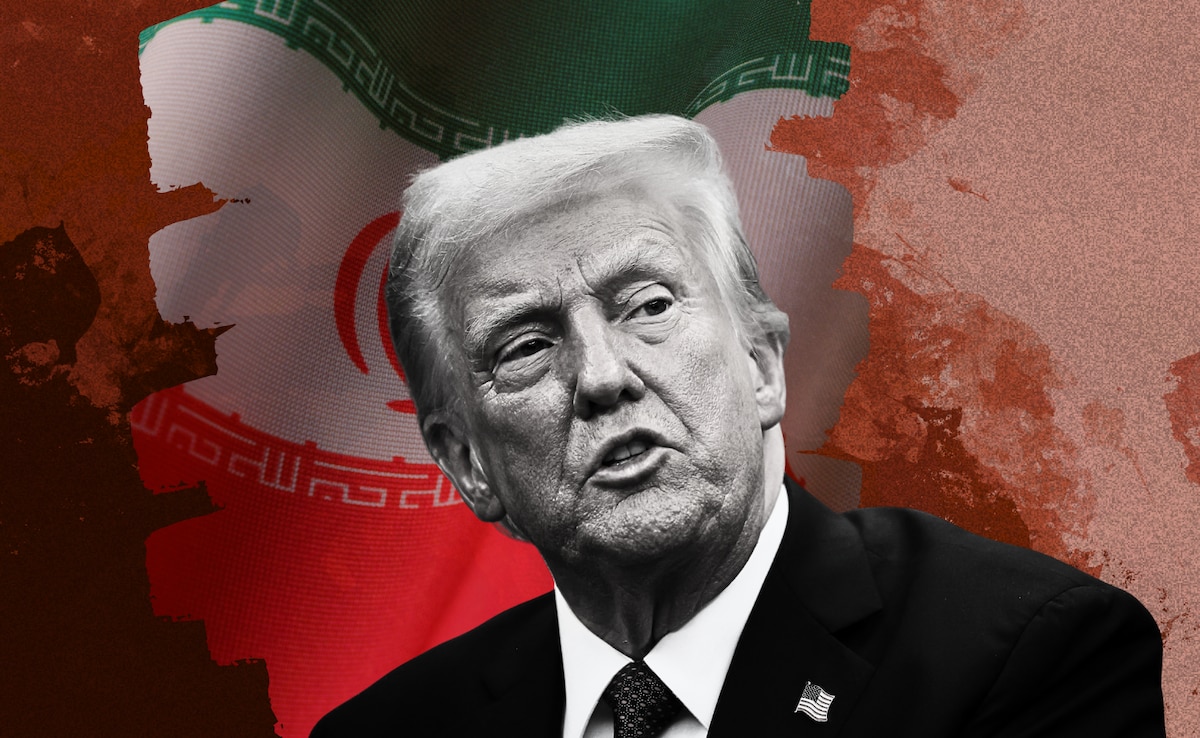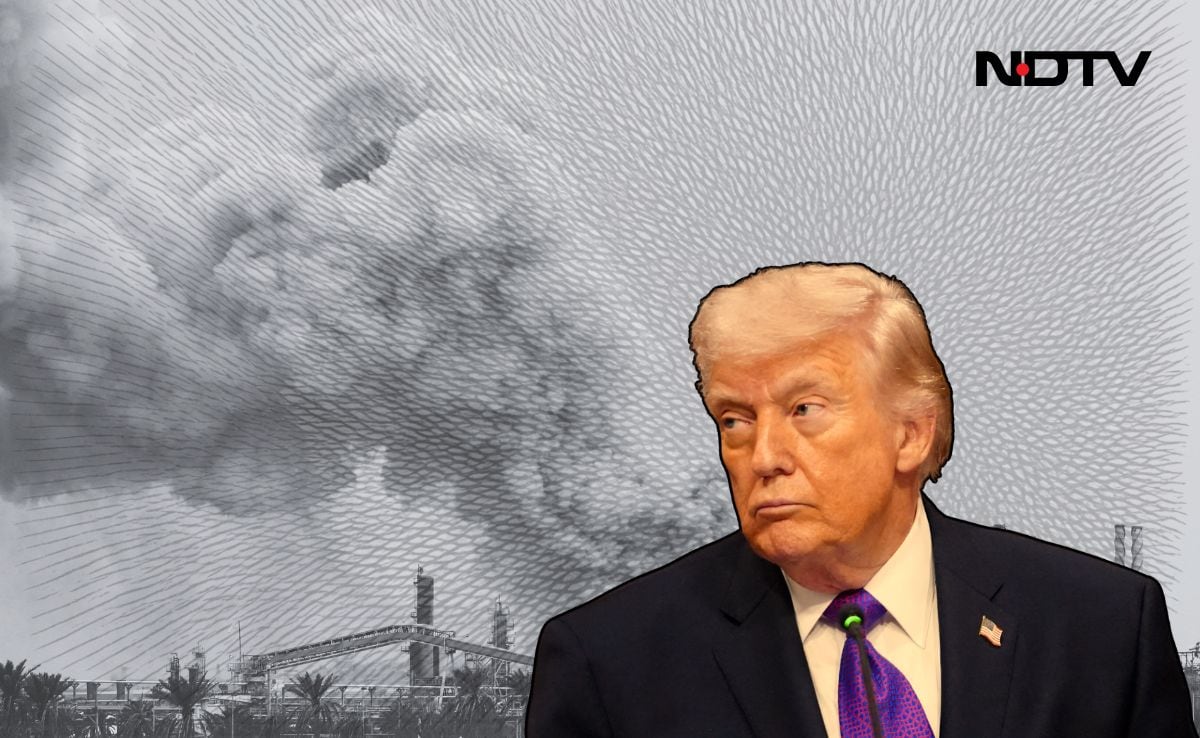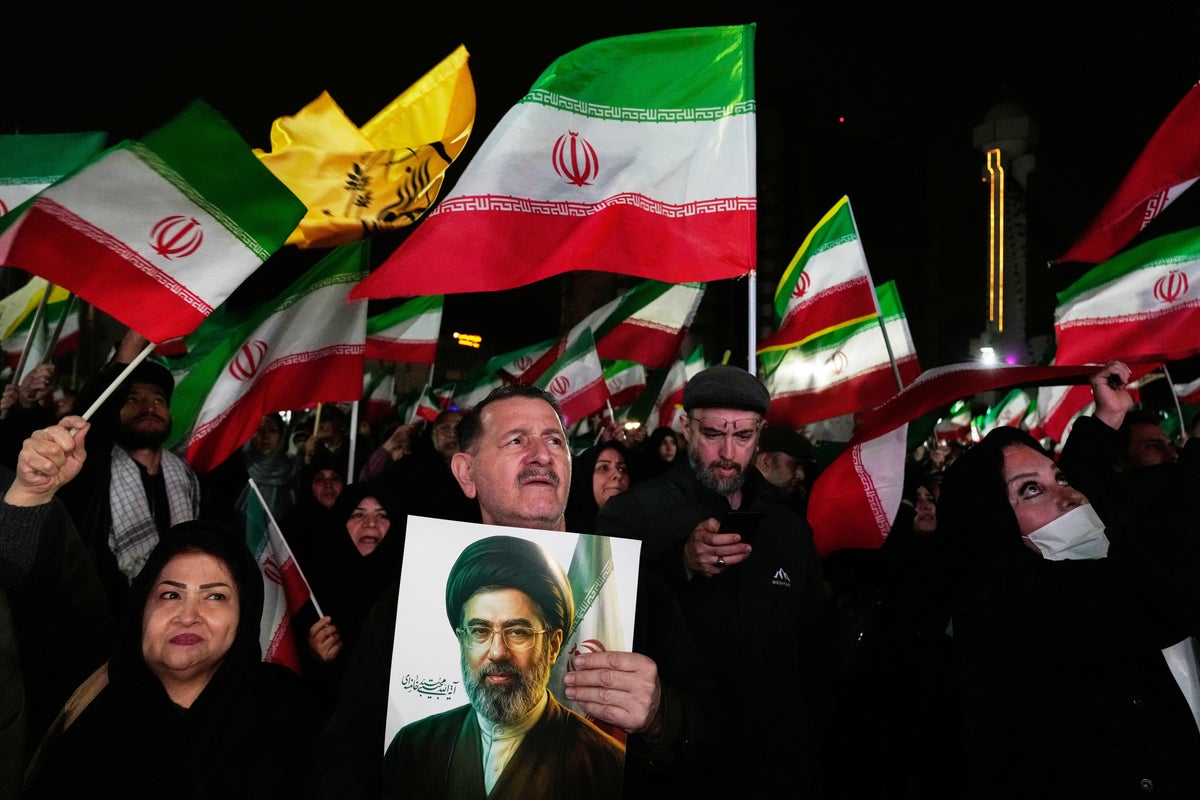
The smoke rising over Abu Dhabi’s industrial zones this week serves as a grim correction to the diplomatic optimism currently radiating from Western capitals. While officials in Washington and Tehran exchange choreographed signals about a potential "thaw," the reality on the ground is measured in shrapnel and body count. Two workers are dead. This is not an isolated tragedy or a random act of terror. It is a calculated message delivered through a drone's lens, proving that the shadow war between the United States and Iran has entered a phase where civilian infrastructure in "safe" neutral zones is now a primary chessboard.
The narrative of regional cooling is a lie.
For months, the global market has been fed a steady diet of reports suggesting that back-channel negotiations are working. We are told that the "maximum pressure" of the past has been swapped for a "maximum patience" that will eventually lead to a renewed nuclear framework. But while the diplomats sip mineral water in Geneva, the kinetic reality is shifting toward high-precision strikes against the soft underbelly of the global energy supply. The deaths in Abu Dhabi highlight a terrifying shift in strategy. Tehran is no longer just targeting oil tankers in the Strait of Hormuz; it is demonstrating that it can reach into the heart of the United Arab Emirates to disrupt the very sense of security that makes the Gulf a global business hub.
The Proxies Are No Longer Just Proxies
To understand why these two deaths matter more than a standard border skirmish, we have to look at the evolution of the Houthi-Tehran pipeline. For years, analysts dismissed Houthi strikes as localized Yemeni grievances spilling over. That era is over. The sophistication of the hardware used in this latest Abu Dhabi incident—long-range loitering munitions with GPS-guided precision—tells a different story.
These are not "garage-built" rockets. These are industrial-grade weapons systems.
When a drone travels hundreds of miles to hit a specific fuel depot in the UAE, it is a demonstration of a shared technical ecosystem. Iran provides the blueprints and the specialized components; the Houthis provide the plausible deniability. This allows Tehran to turn the heat up on US allies whenever they feel the pressure of sanctions, all while keeping their own hands technically clean at the negotiating table. It is a brilliant, if sociopathic, form of leverage.
The UAE finds itself in an impossible position. They have spent the last decade rebranding as the "Singapore of the Middle East," a place where capital is safe and the chaos of the surrounding region cannot touch you. Every explosion in an Abu Dhabi industrial park erodes that brand. The goal of these strikes isn't to start a full-scale war—which Iran knows it would lose—but to make the cost of being a US ally in the Gulf too high to bear.
Why the US Strategy of Quietism is Backfiring
The current administration in Washington is betting everything on the idea that if they don't overreact to these "minor" provocations, Iran will eventually come to its senses. This is a fundamental misreading of the Persian Gulf power dynamic. In this part of the world, silence is not seen as restraint. It is seen as a green light.
By failing to provide a credible kinetic response to the targeting of civilian infrastructure in Abu Dhabi, the US has signaled that its security umbrella is leaking. If you are a business leader in Dubai or a logistics manager in Abu Dhabi, you are now looking at your insurance premiums and wondering if the "peace talks" are worth the risk of a drone coming through your warehouse roof.
We are seeing a total disconnect between the State Department’s press releases and the reality of the regional arms race. While we talk about de-escalation, the UAE and Saudi Arabia are quietly shopping for Chinese and South Korean missile defense systems because they no longer trust the American Patriot batteries to catch everything. They see the writing on the wall. The US is focused on Eastern Europe and the Pacific, leaving a power vacuum in the Gulf that Iran is more than happy to fill with explosives.
The Economic Ghost in the Machine
It is easy to get bogged down in the geopolitics, but the "how" of this escalation is deeply rooted in the global supply chain. The components found in the wreckage of these drones are often dual-use technologies—chips and sensors bought through shell companies in Turkey, Malaysia, or even the US itself.
The investigative trail leads back to a global black market that the West has proven unable or unwilling to shut down. We have spent decades perfecting financial sanctions, yet we cannot stop a shipment of high-end actuators from reaching a Houthi assembly plant. This is the structural failure at the heart of the current crisis. We are fighting a 21st-century technological war with 20th-century bureaucratic tools.
The death of two workers in Abu Dhabi isn't just a tragedy for their families. It is a data point showing that the Iranian "buffer zone" has expanded. They have proven they can bypass the most expensive air defense systems in the world to hit a target of their choosing.
The Myth of the Rational Actor
A recurring mistake in Western analysis is the assumption that Iran wants the same thing we do: stability and economic growth. This is a projection of our own values. The leadership in Tehran views regional instability as their greatest asset. It is their "deterrence." As long as they can threaten the stability of the global oil market and the safety of Gulf cities, they remain relevant. They don't need a booming economy if they can keep their neighbors in a state of permanent anxiety.
This brings us to the "peace talk" claims. Every time a rumor of a breakthrough in Vienna or Doha hits the wires, we see a spike in proxy activity. It is a classic "talk-talk, fight-fight" strategy. They use the negotiations to stall for time and the attacks to improve their bargaining position. By killing workers in Abu Dhabi, they are telling the US: "Give us what we want, or we will turn your most successful Arab partner into a war zone."
The Security Paradox of the Abraham Accords
The UAE’s decision to normalize relations with Israel was supposed to be a masterstroke of security. The idea was to create a united front against Iranian hegemony. However, it has also painted a giant target on the Emirates' back. Iran views the presence of Israeli security technology and intelligence assets in the Gulf as an existential threat.
The Abu Dhabi strike was a direct response to this shift in the regional architecture. It was a way of saying that no amount of Israeli tech or American hardware can truly protect the UAE if Iran decides to pull the trigger. It puts the Emirati leadership in a bind. Do they double down on the alliance, or do they try to hedge their bets by making their own separate peace with Tehran? We are already seeing signs of the latter, with high-level Emirati delegations visiting Iran even as the drones are being fueled.
The Failure of Regional Deterrence
If you want to know how we got here, look at the lack of consequences. When the Abqaiq-Khurais attack hit Saudi oil facilities in 2019, the world gasped, but the response was tepid. That was the moment the rules of the game changed. Iran learned that they could hit the world’s most vital energy infrastructure and the US would not retaliate directly.
The Abu Dhabi deaths are the logical conclusion of that era of inaction.
Deterrence is not a static thing. It is a muscle that atrophies if not used. By allowing these "minor" strikes to go unpunished, we have invited more of them. The drones are getting smaller, harder to detect, and more accurate. Today it was a fuel depot and two workers. Tomorrow it could be a desalination plant or an airport terminal.
A New Reality for Global Energy
For the energy sector, this isn't just about the price of a barrel of Brent crude. It’s about the fundamental safety of the "midstream"—the pipes, tanks, and ports that move the world’s lifeblood. The Abu Dhabi incident proves that the geography of risk has shifted. You can no longer assume that a facility is safe just because it is 500 miles from the nearest active front line.
The entire Gulf is now the front line.
Companies operating in the region need to stop viewing these events as "political noise" and start treating them as a permanent operational hazard. The "US-Iran war" isn't a future possibility; it is a current, low-intensity conflict that is being fought on the shop floors and loading docks of UAE industrial zones.
We have reached a point where the diplomatic process is actually fueling the violence. The closer we get to a potential deal, the more aggressive the proxies become to ensure they aren't sold out in the final agreement. It is a perverse incentive structure that rewards escalation.
The two men who died in Abu Dhabi were not soldiers. they were likely just trying to earn a living in what they thought was one of the safest cities on earth. Their deaths should be a wake-up call to anyone still clinging to the idea that the Middle East is on a "path to peace." The reality is far more dangerous. We are witnessing the normalization of precision strikes against civilian targets as a standard tool of regional diplomacy.
The "peace" being discussed in comfortable hotel rooms is a phantom. The war is what is happening in the streets of Abu Dhabi. Until the cost of launching these strikes becomes higher than the benefit of the leverage they provide, the drones will keep flying.
Check the flight paths of the next wave of loitering munitions before you buy into the next round of "breakthrough" headlines from the peace talks.