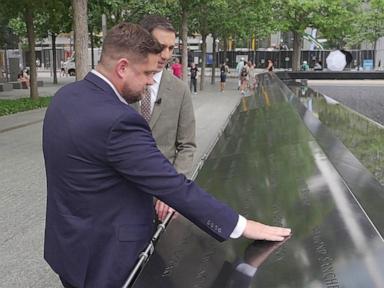
Two decades of legal battles can wear down even the most resolute people. Yet families of the 2,977 victims killed on September 11, 2001, refuse to back down. They are still hunting for the whole truth. Newly declassified federal records and documents unearthed through relentless civil litigation are shining a harsh light on old assumptions. These files are fueling a fierce push to prove that elements within the Saudi government gave crucial logistical support to the hijackers.
If you followed the official narrative back in 2004, the takeaway was clear. The 9/11 Commission Report stated there was no evidence that the Saudi government as an institution or senior officials individually funded al-Qaeda. That summary closed the book for many. But it never sat right with the people who lost spouses, parents, and children. They suspected the government withheld vital pieces of the puzzle. They were right. Slowly, document by heavily redacted document, the walls are cracking. Read more on a similar topic: this related article.
The core of the current legal battle centers around figures like Omar al-Bayoumi. Back when the initial investigations took place, Bayoumi was painted as a mere random acquaintance. He was described as a helpful graduate student who happened to cross paths with the first two hijackers, Nawaf al-Hazmi and Khalid al-Mihdhar, when they landed in Southern California. He helped them find an apartment, set up bank accounts, and get settled. A friendly neighbor doing a good deed, or so the story went.
The Federal Bureau of Investigation has since changed its tune. Declassified files from Operation Encore—the bureau's long-secret reinvestigation—reveal that Bayoumi was actually a cooptee of the Saudi General Intelligence Presidency. He received a monthly stipend through the Saudi embassy. Investigators found that his communications spiked around the time the hijackers arrived. For the families, this isn't ancient history. It's validation of what they argued in federal court for years: that a support network operated under diplomatic cover. Additional reporting by USA Today explores similar perspectives on this issue.
Getting these records into the light wasn't easy. The U.S. government stonewalled for decades, citing national security concerns and foreign relations. Successive administrations kept archives locked tight. Victims' organizations like 9/11 Families United had to fight tooth and nail, utilizing Freedom of Information Act lawsuits and even unearthing files through British courts that seized materials from Bayoumi right after the attacks.
The Saudi government maintains its innocence. Representatives in Washington have repeatedly called allegations of complicity categorically false, pointing back to the original 9/11 Commission findings. They argue that the declassified files show smoke, not fire, and do not prove direct institutional direction of the plot.
Yet the pieces keep adding up. Beyond Bayoumi, attention remains fixed on Fahad al-Thumairy, a former Saudi consulate official and radical cleric in Los Angeles who interacted with the early arrivals. Communications records show ties between these actors and extremist networks that integrated the hijackers into local communities before they moved on to flight schools.
This fight matters because accountability is about more than financial payouts in a New York courtroom. It is about institutional honesty. When foreign states play double games—fostering strategic alliances while letting extremists operate within networks abroad—ordinary citizens pay the ultimate price.
The legal proceedings crawl forward at a glacial pace. Redactions still black out entire paragraphs of crucial FBI memos. Bureaucrats still drag their feet on full transparency. But the narrative of absolute innocence has shattered permanently. The documents are out there now, and the full picture is coming into view whether governments like it or not.
Keep pushing for the total declassification of remaining federal files through public advocacy groups. Support the ongoing litigation efforts led by survivors to ensure state sponsors of terror find no safe harbor in diplomatic immunity.