When a rifle jams outside a house of worship during morning prayers, luck isn't a strategy—and 105 US lawmakers aren't treating what happened in Aurora, Illinois, as a mere local weapons case. Led by Rep. Raja Krishnamoorthi, whose own family was inside the Sri Venkateswara Swami (Balaji) Hindu Temple on October 11, 2026, a coalition of members of Congress sent a sharp letter to FBI Director Kash Patel urging a federal hate crime probe into the alleged temple mass shooting plot.
The headline alone tells you why Washington is paying attention. A mechanical failure stopped what prosecutors describe as a premeditated attack at a sacred space. When a threat comes that close to turning deadly, lawmakers ask a harder question than just whether state prosecutors can secure a conviction on weapons or terror charges. They want to know whether federal civil rights and hate crime authorities are looking closely enough at anti-Hindu, anti-Indian, and broader anti-South Asian bias.
What Happened Outside the Aurora Temple
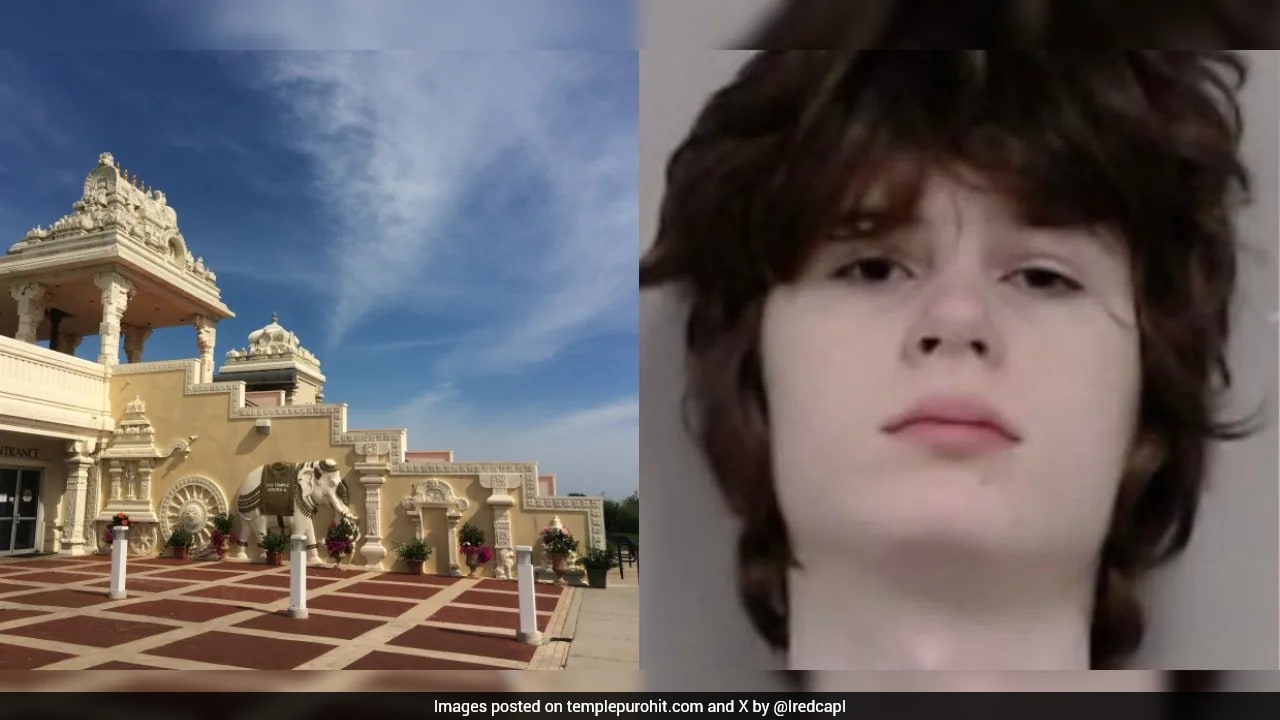
Prosecutors allege that 19-year-old Alexandros Paporakis of Palatine arrived at the Sri Venkateswara Swami (Balaji) Hindu Temple in Aurora on October 11 carrying a rifle and body armor. According to investigators, he attempted to fire at a man outside the temple, the rifle jammed, and he left before anyone was shot. Krishnamoorthi stated that he and his family were worshipping at the temple when the incident unfolded.
Paporakis was arrested and ordered detained by a judge on state felony charges, including making a terrorist threat and unlawful weapons possession. Those charges are allegations, and court proceedings continue in the state system. Yet from the vantage point of someone who has followed hate crime prosecutions and house-of-worship security for years, state charges rarely capture the full picture when ideological animus is suspected.
State prosecutors focus on what's fastest and most straightforward to prove in local court. A weapons charge or terroristic threat count can move quickly without wading into complex federal civil rights standards or cross-jurisdictional intelligence. That practical shortcut makes sense for immediate public safety. Still, it can leave lingering questions for a shaken congregation if bias isn't formally investigated at the federal level.
Why 105 Lawmakers Pushed for Federal Action
In their October 20, 2026 letter to FBI Director Kash Patel, Krishnamoorthi and 104 other lawmakers pressed for a thorough federal look at potential racial, ethnic, and religious bias tied to the Aurora incident. They requested a written response by October 29, to the extent consistent with the ongoing investigation, and asked the bureau to pursue all applicable offenses while explaining how it plans to protect affected communities.
Signers included prominent House and Senate figures such as Rep. Pramila Jayapal, Rep. Ami Bera, Rep. Suhas Subramanyam, Sen. Dick Durbin, Sen. Tammy Duckworth, Sen. Andy Kim, and Sen. Chris Van Hollen. Seeing more than a hundred members of Congress sign onto a single letter signals frustration that local enforcement alone isn't enough when threats target religious or ethnic minorities.
- Bias assessment: Lawmakers asked whether investigators are evaluating anti-Indian, anti-Hindu, and broader anti-South Asian animus behind the plot.
- Bureau capacity: They questioned whether the FBI has sufficient personnel, language skills, and analytical resources to track threats against South Asian communities.
- Online ecosystems: The letter pointed to online hostility and asked what steps are being taken regarding potential facilitation and community protection.
- Government messaging: Lawmakers also raised alarm over rhetoric and social media posts from federal agencies, arguing some communications risk reinforcing stereotypes rather than calming tensions.
The Data Behind the Alarm
Lawmakers didn't write that letter in a vacuum. Their push reflects mounting data showing a sharp spike in anti-South Asian hostility online and real-world anxiety among Indian Americans and Hindu worshippers.
According to a September 2026 report cited in the congressional letter, researchers recorded more than 542,000 hateful posts targeting South Asians on X between January 2025 and June 2026, with monthly volume climbing roughly 240% from January 2024 through June 2026. Survey data adds a human layer to those numbers. A Carnegie Endowment survey highlighted in coverage of the letter found that 48% of Indian American respondents had encountered racist posts aimed at their community very or somewhat often since the start of 2025, and one in four reported being called a slur.
Honestly, online outrage numbers sometimes get brushed off as "just the internet." Anyone who tracks extremist behavior knows better. Threats often brew in comment sections, meme threads, and fringe channels long before someone drives to a parking lot with body armor. That doesn't mean every hateful post leads to violence, and researchers caution against treating correlation as certainty. It does mean ignoring a 240% surge in monthly volume is reckless.
State Charges vs. Federal Hate Crime Probes
People often assume that if an attack looks biased, federal hate crime charges automatically follow. They don't. Federal hate crime statutes carry specific legal thresholds and evidentiary requirements, and investigations take time—especially while parallel state criminal cases are active.
There's a real tension here that the public rarely hears explained plainly. On one hand, rushing federal labels before evidence is vetted can create legal pitfalls or sensationalize an active case. On the other hand, waiting quietly while a community wonders if bias is even on the radar breeds distrust. Lawmakers are basically telling the FBI: show your work, protect the community, and don't treat a near-miss at a temple like a routine file.
It's also worth noting what a congressional letter can and can't do. Members of Congress can demand answers, hold oversight hearings, and press leadership for resource updates. They can't dictate charging decisions in court, nor should they override prosecutorial judgment on what charges will stick. Oversight is about accountability and transparency, not taking over the courtroom.
Practical Steps for Temples and Communities Right Now
When a plot is thwarted outside a place of worship, fear tends to spike right after the news breaks—and then fade from headlines while congregations still have to open their doors every morning. Practical preparedness works best when it's calm, consistent, and grounded in reality rather than panic.
- Schedule a joint security walkthrough: Invite local police and federal community outreach liaisons to review entry points, sightlines, lighting, and parking lot flow during peak prayer or festival hours.
- Establish clear incident protocols: Make sure volunteers, staff, and leadership know when to lock doors, how to call emergency dispatch quickly, and who serves as the single point of contact during an emergency.
- Keep an incident log: Document suspicious behavior, threats, or harassment objectively—with dates, times, and witness details—so law enforcement has clean records if patterns emerge.
- Stay connected to verified advisories: Rely on local law enforcement and established interfaith or community safety networks rather than unverified social media rumors during a crisis.
- Support members emotionally: After a scary incident near a sacred space, check in with elders, families, and youth who may feel uneasy returning to services.
Protecting houses of worship shouldn't depend on a jammed rifle. Taking concrete security and community steps today gives congregations practical control in a moment that otherwise feels out of their hands.